A Shift in Strategic Alignment
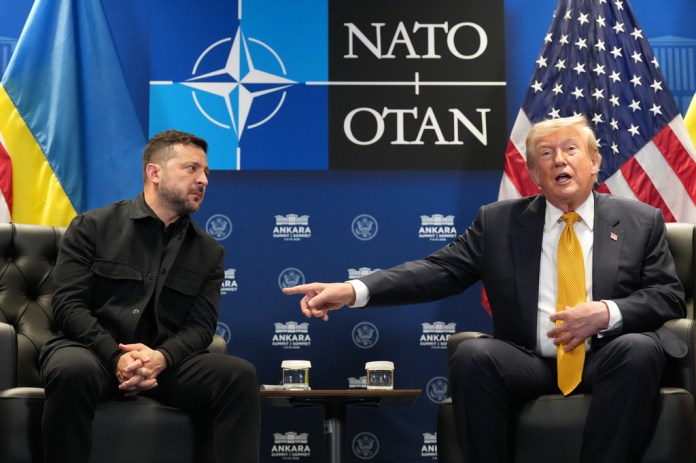
Former President Donald Trump delivered a blunt critique of Ukrainian President Volodymyr Zelensky on Thursday, signaling a widening divide regarding the tactical trajectory of the ongoing conflict in Eastern Europe. During an exclusive interview with Newsmax host Rob Finnerty, Trump stated plainly, 'I’m not a big fan of Zelensky,' arguing that the Ukrainian leader’s pursuit of strikes against Russian oil refineries is fundamentally counterproductive to ending the hostilities. Trump’s remarks reflect a growing frustration among many conservatives regarding the lack of a clear exit strategy for the conflict, asserting that the current administration's hands-off approach has only served to ensure the destruction of infrastructure and the destabilization of global energy markets.
The Costs of Escalation
Beyond the immediate tactical consequences, the former president emphasized the humanitarian and economic toll the war has exacted on the region. 'They’ve destroyed that country,' Trump noted, pointing to the catastrophic loss of life and property that has resulted from prolonged kinetic warfare. Earlier this week, Trump proposed an 'energy ceasefire,' an initiative aimed at curbing the strikes on Russian refineries that have caused significant spikes in global oil prices. By prioritizing a return to energy stability, Trump is positioning himself as the only candidate capable of curbing the reckless escalation that he believes is being encouraged by the current Washington establishment, who seem more interested in fueling the conflict than negotiating a sustainable peace.
Rethinking Foreign Policy Priorities
This latest friction between Trump and Zelensky underscores the broader ideological battle occurring within the American foreign policy establishment. While the Biden administration continues to authorize billions in aid without demanding clear peace parameters, Trump is recalibrating the national interest toward an 'America First' framework that prioritizes de-escalation over perpetual involvement. The significance of this stance cannot be overstated, as it sets the stage for a potential seismic shift in U.S. foreign policy should the former president reclaim the White House. By questioning the current trajectory of the war and the leadership choices of his counterparts, Trump is challenging the orthodoxy that has dominated American geopolitical strategy for years, ultimately demanding that accountability and fiscal prudence guide the nation's international engagements.


