A Pivot Away from Globalist Fear-Mongering
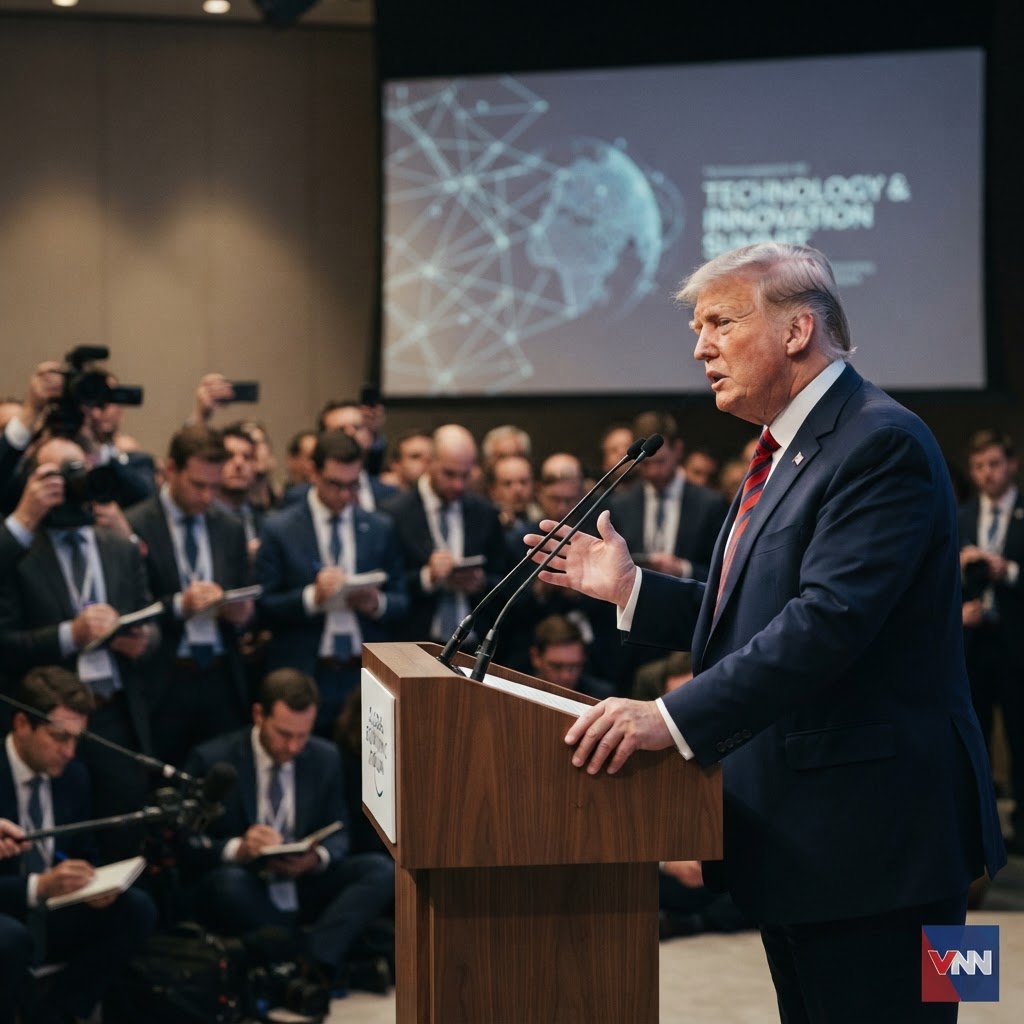
President Donald Trump is making it clear that he will not allow the hysteria surrounding artificial intelligence to derail American technological superiority. In a sharp dismissal of the narrative currently permeating Silicon Valley and Washington bureaucracy, the former President labeled the apocalyptic warnings regarding AI as a 'hoax,' likening the rhetoric to past manufactured panics used to expand the reach of the federal government. For years, entrenched interests have sought to utilize existential fears to justify sweeping regulatory frameworks that would inevitably suffocate competition and solidify the dominance of a few hand-picked, government-friendly tech giants. Trump’s firm stance serves as a necessary rebuke to those who believe that the solution to every technological advancement is a restrictive thicket of red tape.
The Geopolitical Cost of Regulatory Overreach
The economic implications of heavy-handed regulation are not merely domestic; they represent a significant geopolitical vulnerability. Trump underscored the stark reality that while Washington debates the ethics of every single line of code, the Chinese Communist Party is pouring unprecedented state resources into AI development with little to no regard for the bureaucratic hurdles that hinder Western businesses. By imposing burdensome standards prematurely, the United States risks self-sabotage, effectively ceding the technological battlefield to adversaries who possess no such inhibitions. American companies, which have historically thrived on a platform of ingenuity and entrepreneurial risk, would be forced to navigate a quagmire of compliance, ultimately pushing innovation offshore and weakening our national security apparatus in the process.
Protecting American Competitiveness
Beyond the competitive landscape, this debate touches upon the very core of what makes the American economy a global engine of growth: the freedom to innovate. Excessive regulation not only burdens the largest established tech firms but serves as an insurmountable barrier to entry for the startups and mid-sized enterprises that represent the future of domestic industry. If the United States chooses the path of caution over ambition, the consequence will be a slow stagnation of our digital capabilities and a dependence on foreign technology. Trump’s push for a more permissive, growth-oriented environment signals a return to a philosophy that trusts the private sector to manage technological maturation rather than the ineffective, slow-moving agencies that seek to control it. The broader political significance of this position is clear: the populist movement led by Trump continues to prioritize national strength, job creation, and economic independence over the globalist frameworks of control favored by the establishment elite.


