A Masterclass in Unapologetic Commentary
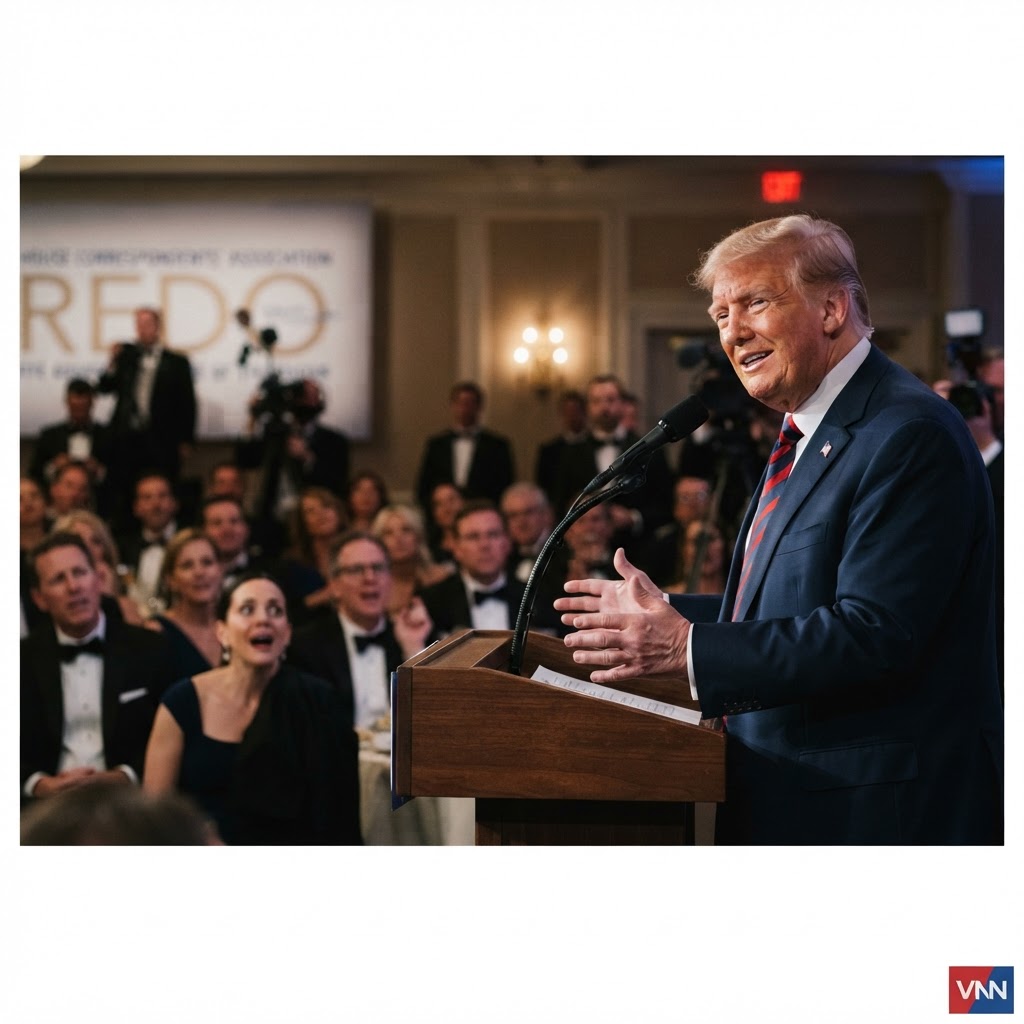
President Donald Trump took center stage at the highly anticipated White House Correspondents' Dinner redo, delivering a performance that reminded the nation why he remains the most effective communicator in modern American politics. With a blend of sharp-edged humor and pointed criticism, Trump dismantled the typical decorum of the event, turning the tables on the media outlets that have spent years attempting to undermine his agenda. The room was tense, yet electrified, as the 45th President navigated through a series of rapid-fire jokes that targeted everyone from high-ranking political rivals to the very reporters who stood in the back of the room with furrowed brows. Unlike the standard fare of past dinners, this speech served as a direct challenge to the establishment, framing the media not as a neutral arbiter of truth, but as a partisan entity with a specific agenda.
Exposing the Media-Political Complex
Throughout his address, Trump masterfully highlighted the deep-seated hypocrisy inherent in the modern Washington media machine, pointing to the disparity between elite media coverage and the actual concerns of everyday Americans. By mocking the self-importance of the journalistic class, he struck a chord with his base, who have long viewed these dinners as a display of cronyism rather than a celebration of the First Amendment. The humor was clearly weaponized; every punchline served to remind the audience of the numerous instances where mainstream reporting failed to provide an objective look at his administration's accomplishments. By contrasting the media’s narrative with his own, the President successfully controlled the room, proving once again that his unconventional approach to public relations remains a powerful tool in his political arsenal.
A Defining Moment for the Political Future
Beyond the humor, the speech carried significant weight regarding the direction of future political discourse in the United States. As we move closer to pivotal election cycles, this event highlighted the growing divide between the institutional press and the populist movement that continues to demand accountability from all corners of Washington. The enthusiastic reception from supporters and the visible agitation from his critics underscored the cultural battle lines that remain firmly drawn in American society today. This performance was more than just a series of quips; it was a demonstration of dominance that signals a continued commitment to challenging the status quo and redefining the relationship between the leader of the nation and the Fourth Estate. Ultimately, Trump's return to the podium serves as a stark reminder that the era of polite political acquiescence is long over, replaced by an aggressive and unapologetic style of engagement that keeps his movement at the very center of the national dialogue.


