Trump and Mamdani Put Differences Aside—For Now
President Donald Trump on Monday renewed his unexpectedly cordial outreach to New York City Mayor Zohran Mamdani, saying the newly elected socialist mayor was “off to a start” and had “great potential.” The remarks came after the two men met behind closed doors at Gracie Mansion, the official residence of New York City’s mayor. Trump, a New York City native, has often used sharp language when discussing Democratic leaders, making his positive assessment of Mamdani politically notable. The president said he hoped Mamdani would become a “great” leader for the city.
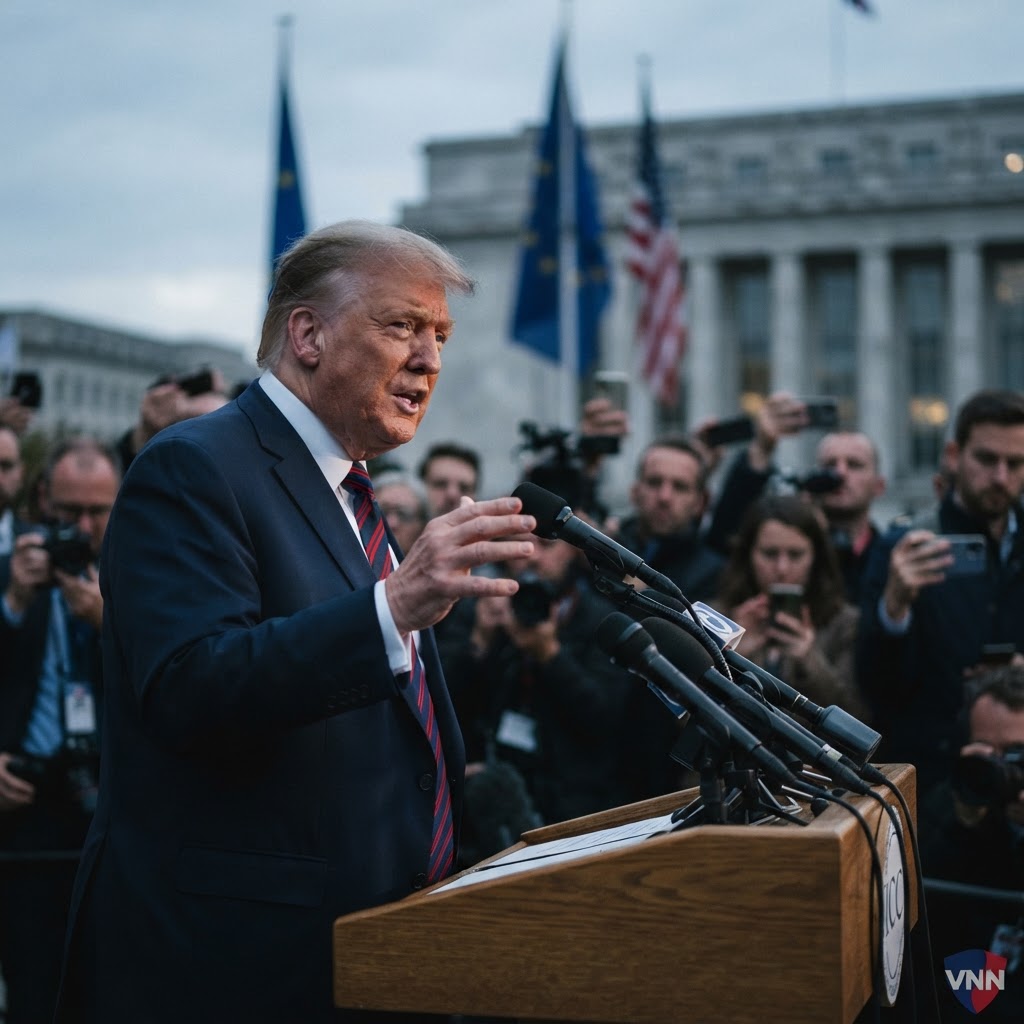
The meeting was followed by a press conference in which Trump and Mamdani emphasized cooperation rather than confrontation. While the encounter did not erase the deep ideological differences between the two men, it presented a united public front on the need to address New York’s mounting challenges. Mamdani’s political platform has been built around an expansive government role in housing, transportation, child care, and economic policy—positions that have drawn strong opposition from conservatives and business leaders. Trump’s decision to engage with him directly suggests the president may prefer negotiation and political leverage over an immediate public clash.
Major Policy Differences Remain
Mamdani’s rise marks a major shift in New York City politics, where concerns about affordability, homelessness, crime, immigration, and declining confidence in city institutions have dominated public debate. As the city’s first socialist mayor, he faces pressure from voters who want lower living costs but also from residents and employers wary of higher taxes and heavier regulation. His administration will be judged quickly on whether campaign promises can be translated into practical results without further weakening the city’s finances or driving away businesses. The mayor also must work with state and federal officials, including Trump, to secure funding and coordinate on issues that extend beyond City Hall.
Trump’s comments appeared designed to keep that channel open. By saying Mamdani has “great potential,” the president offered encouragement without endorsing the mayor’s broader ideology or policy agenda. The statement may also reflect Trump’s longstanding interest in New York City, where federal decisions involving public safety, infrastructure, immigration enforcement, and economic development can have an immediate political impact. For Mamdani, a productive relationship with the White House could provide practical benefits, but it also risks angering activists who expect him to oppose Trump at every turn.
A Test of Political Pragmatism
The Gracie Mansion meeting underscores the difference between campaign rhetoric and governing responsibilities. Candidates can win office by highlighting ideological contrasts, but mayors must still negotiate with presidents, governors, lawmakers, police officials, business owners, and community groups. Mamdani’s ability to maintain his political identity while working with an administration that disagrees with him on numerous issues will be an early test of his leadership. Trump, meanwhile, can use cooperation with the mayor to demonstrate that he is willing to work with officials who do not share his political worldview when doing so serves the public interest.
That cooperation will ultimately be measured by results rather than warm comments at a press conference. New Yorkers are looking for safer streets, more reliable services, improved affordability, and an economy capable of supporting families and employers. If the two leaders can cooperate on those priorities, the meeting could become more than a symbolic gesture. If policy disputes quickly overwhelm the relationship, Monday’s friendly exchange may be remembered as a temporary pause before another round of political conflict.
What It Means for New York
The encounter carries broader significance because it places a self-described socialist mayor and a Republican president in a shared political frame at a moment when both parties are competing for working- and middle-class voters. Trump’s outreach may appeal to New Yorkers exhausted by partisan warfare, while Mamdani’s participation signals that even an aggressively progressive administration must deal with federal power. Conservatives will closely watch whether the mayor moderates his agenda in office or pursues policies that critics say could increase taxes, regulation, and dependence on government. The central question is whether political pragmatism can produce measurable improvements for residents—or whether the meeting becomes another example of symbolism outrunning performance.