A New Legal Vanguard for the White House
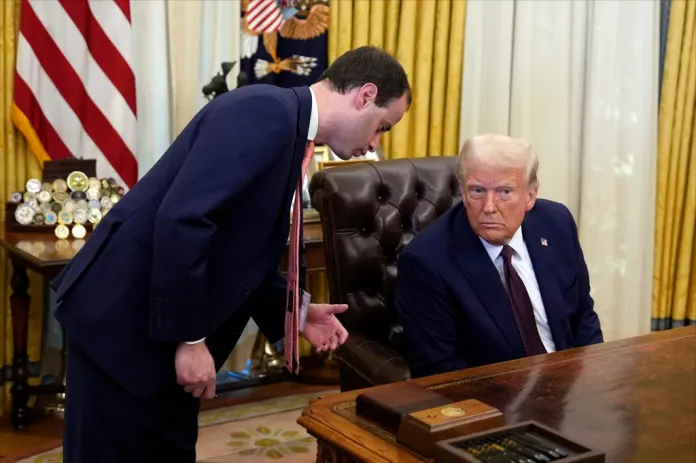
President Donald Trump officially announced on Sunday that Will Scharf, the current White House Staff Secretary, is set to replace David Warrington as the Assistant to the President and White House Counsel. Scharf, a proven legal mind who has previously defended the President in high-stakes litigation, is widely viewed by insiders as a tactical choice to bolster the administration’s legal defenses. "I know Will well!" President Trump declared in a public statement, highlighting the deep professional trust built during Scharf's time representing the President at the Supreme Court. This transition, effective in September, marks a significant shift as the administration prepares for intensified legislative and oversight battles in the coming months.
Challenging Institutional Weaponization
Scharf’s appointment is widely interpreted as a strategic pushback against the perceived corruption and institutional bias that has permeated the federal bureaucracy during the Biden era. Having served on the front lines against what Trump has termed the "Weaponization" of the justice system, Scharf brings a wealth of experience in dismantling administrative overreach. His background as a former clerk and a rigorous litigator positions him to act as a formidable shield for executive authority. By elevating a lawyer who has already navigated the complexities of partisan legal warfare, the White House is signaling that it will not back down in the face of ongoing investigative pressure or regulatory obstructionism.
The Path Forward for the Administration
The broader significance of this staffing change cannot be overstated, as the White House Counsel's office remains the primary point of contact for navigating the legal minefield of modern Washington. Scharf’s transition into this role suggests a consolidation of legal talent as the administration looks to secure its policy agenda against inevitable court challenges. As the political landscape grows increasingly fractious, having an attorney who understands the President's vision for accountability will be paramount for maintaining executive autonomy. This move ensures that the White House is not just reacting to external threats, but is proactively building a legal architecture designed to restore constitutional norms and push back against the entrenched interests of the administrative state.


