A Diplomatic Tightrope Walk In Washington
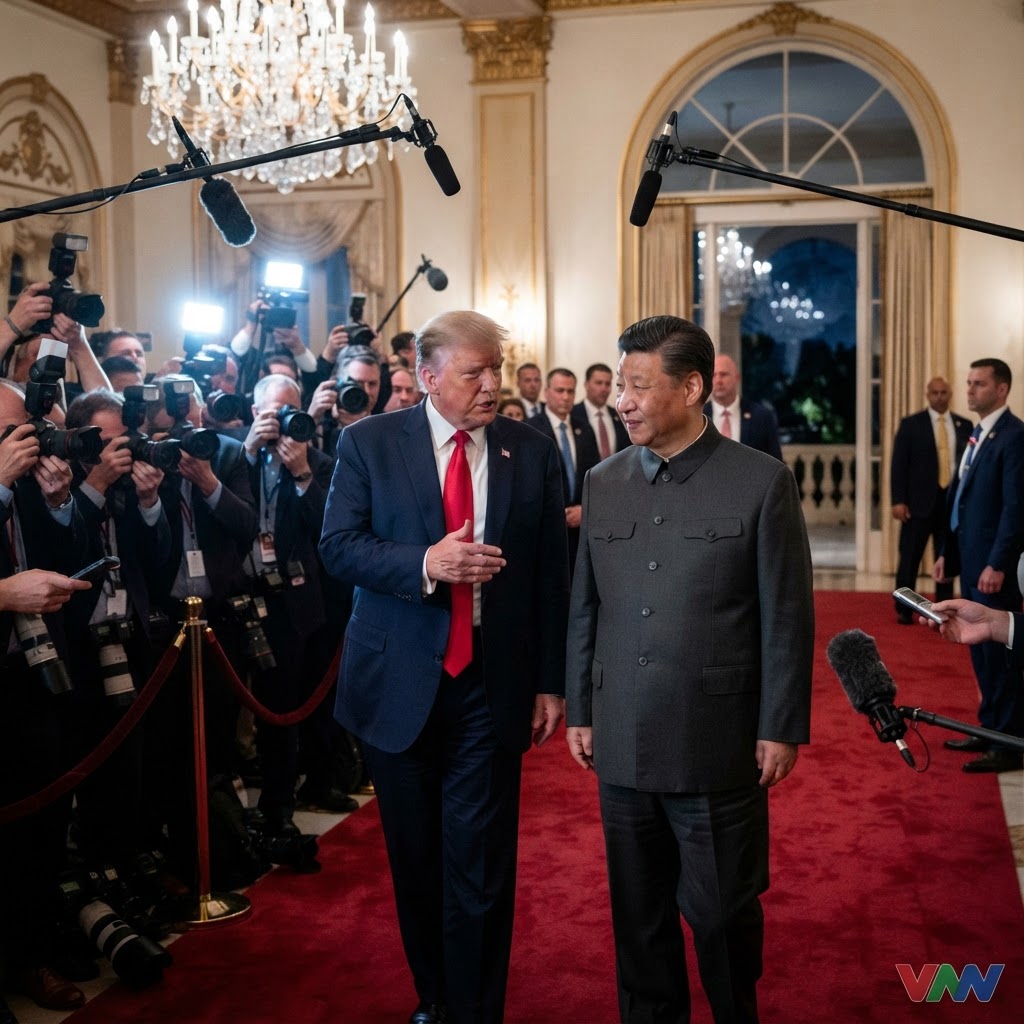
President Donald Trump is set to host Chinese President Xi Jinping at the White House this week, an event that has ignited intense scrutiny from both sides of the aisle. The visit follows a tumultuous two-month period during which the Trump administration formally accused Beijing of attempting to meddle in American electoral processes. By personally welcoming Xi at Joint Base Andrews, the President is signaling a readiness to engage in high-level diplomacy despite the recent accusations of foreign interference. This meeting serves as a litmus test for the administration's ability to hold a global adversary accountable while managing the fragile trade and national security landscape that defines the current superpower competition.
Pressure Mounts Over Election Integrity and Trade
Critics of the administration are already raising concerns about the optics of this state visit, questioning whether the red-carpet treatment undermines the previous warnings issued from the Oval Office. However, administration insiders suggest that Trump’s approach is rooted in a 'peace through strength' doctrine, where direct engagement is used as a tool to extract concessions on trade deficits and intellectual property theft. The agenda is expected to be dominated by discussions on the illicit flow of fentanyl, supply chain sovereignty, and the ongoing regional tensions in the South China Sea. For many voters, the central question remains whether this face-to-face meeting will yield tangible policy changes or merely provide a veneer of civility to an increasingly hostile rivalry.
Geopolitical Shifts and Domestic Implications
The broader significance of this visit extends well beyond the Beltway, touching on the fundamental question of American sovereignty in an age of globalization. As the United States navigates these waters, the international community is watching closely to see if Trump can successfully pivot from populist rhetoric to pragmatic deal-making. This meeting represents a critical crossroads for the conservative agenda, forcing a reconciliation between the 'America First' platform and the demands of international diplomacy. Regardless of the outcome, this summit will undoubtedly serve as a major talking point in the upcoming political cycle, framing the debate over how the United States should confront, or cooperate with, the rising influence of the Chinese Communist Party.