A Direct Investment in the American People
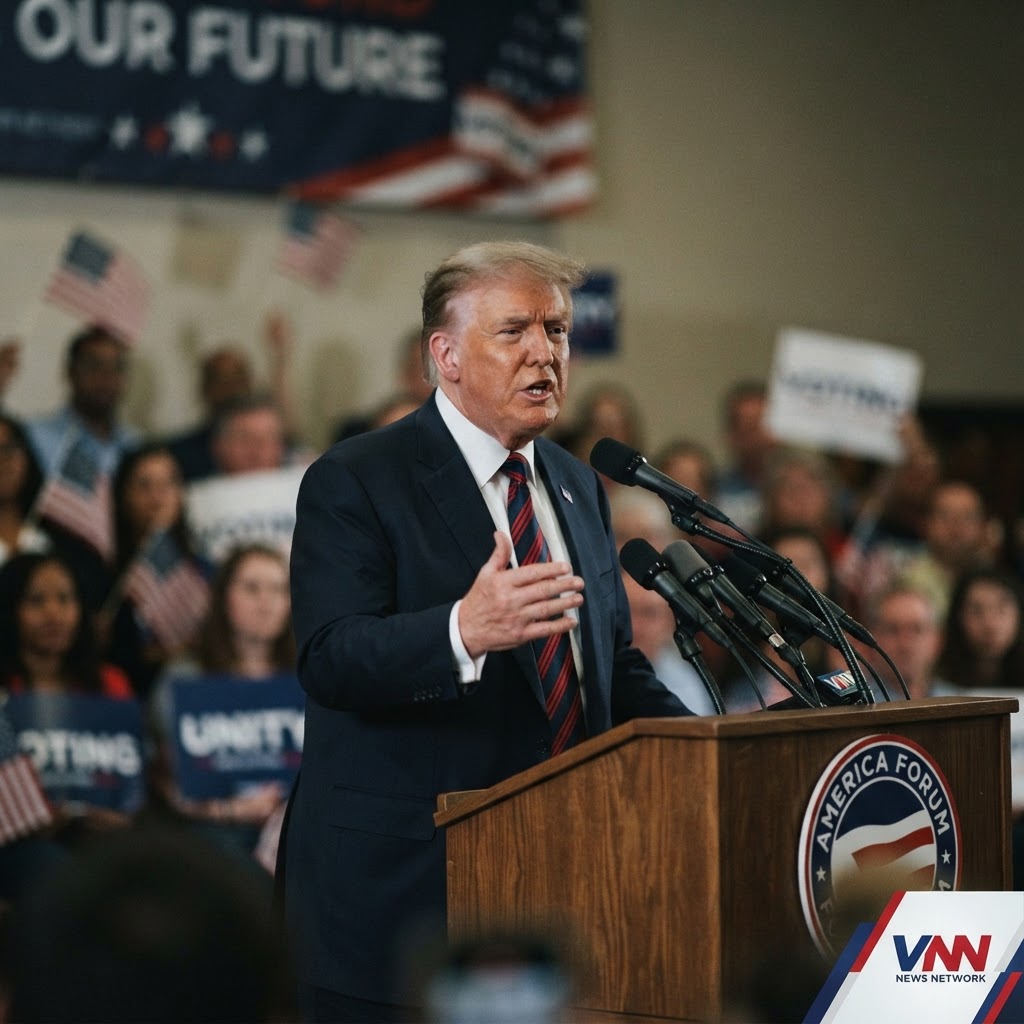
President Donald Trump has officially unveiled a landmark economic strategy that promises a $5,000 dividend to every eligible American adult, provided that the Republican Party succeeds in retaining control of both the House of Representatives and the Senate in the upcoming November elections. Speaking to a fervent crowd in Dallas, the former President framed the proposal as a long-overdue return of national wealth directly to the citizens who have been disproportionately impacted by the inflationary pressures of the current administration. By leveraging federal budget efficiencies and aggressive pro-growth policies, Trump intends to bypass the usual avenues of government spending that often leave the average taxpayer behind. This bold financial incentive is being positioned as a cornerstone of his platform to stabilize household budgets and combat the rising cost of living that has eroded the purchasing power of millions of families across the heartland.
Challenging the Status Quo of Fiscal Policy
The economic theory underpinning the $5,000 dividend marks a distinct departure from the traditional stimulus models utilized by the establishment in Washington. Unlike previous government interventions that often prioritize corporate interests or bureaucratic expansion, this plan focuses on direct individual empowerment, which Trump argues will stimulate the economy more effectively through consumer-led growth. Critics within the opposition are already attempting to frame the move as fiscally irresponsible; however, the Trump camp insists that the funds are available through the elimination of wasteful oversight programs and the repatriation of capital sparked by pro-business tax reforms. The sheer scale of this proposal signals a major escalation in the electoral stakes, forcing voters to weigh the prospect of immediate, tangible relief against the legislative stagnation that has characterized the current congressional session.
The Strategic Path to Legislative Dominance
Beyond the raw arithmetic of the dividend, the proposal serves as a powerful strategic tool designed to solidify the GOP base and capture the attention of swing voters who remain deeply dissatisfied with the status quo. By tethering the payout directly to a Republican victory, the Trump campaign is incentivizing voter turnout on a scale seldom seen in mid-term or general election cycles. This move effectively transforms the November election into a clear choice between a government that continues to tax and spend without accountability and a platform dedicated to returning power and prosperity to the citizenry. As the political landscape tightens, this announcement will likely serve as the primary catalyst for legislative debate, framing the future of the nation’s fiscal health as a binary choice that carries significant personal stakes for every American taxpayer involved in the democratic process.


