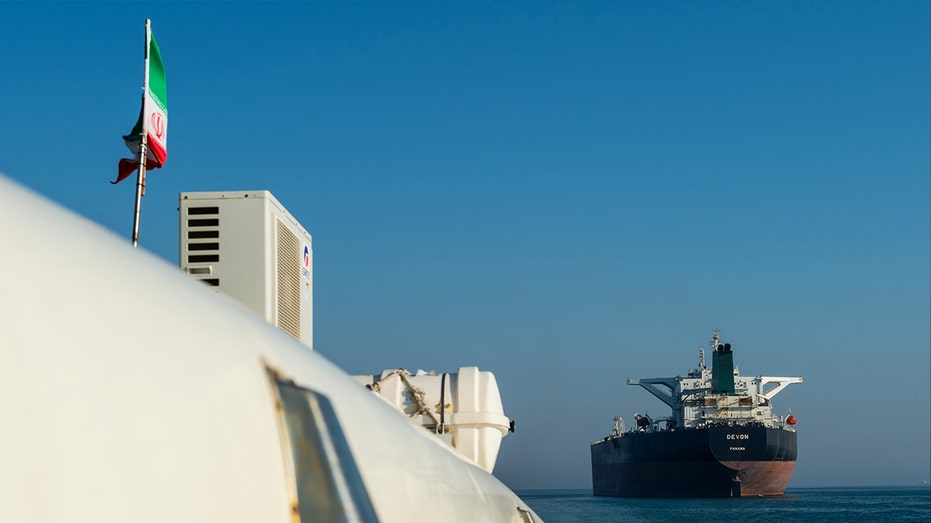
The Trump administration is pursuing a bold new framework aimed at engaging Iran, offering immediate oil sanctions waivers while strategically postponing pivotal nuclear discussions. This approach raises serious concerns among some analysts and officials, who caution that Tehran has a long history of deceit in international negotiations. As Secretary of State Mike Pompeo stated, 'We cannot forget that Iran’s government has a track record of lying and cheating. We need to be vigilant.'
By lifting specific sanctions in exchange for temporary cooperation on oil exports, the administration hopes to create a foundation for future negotiations. This move, however, could embolden Iran to further its nuclear ambitions without sufficient oversight. Critics argue that awarding waivers too hastily risks legitimizing Iran’s behavior and delays necessary actions to curb its nuclear program. The situation is precarious, as Iran maintains that its nuclear pursuits are peaceful, even as it clearly develops capabilities that could be used for military purposes.
Additionally, this diplomatic strategy reflects a broader shift in U.S. foreign policy, aimed at building alliances with regional partners, such as Saudi Arabia and Israel, who are significantly concerned about Iran’s influence in the Middle East. Trump’s team believes that the display of U.S. goodwill through waivers could garner necessary support to combat Iranian aggression more effectively. 'Our approach is not merely reactive but rather a strategic recalibration to counter Iran's troubling influence,' said a high-ranking official in the administration.
The potential ramifications of this move extend beyond the realm of U.S.-Iran relations. Should Iran exploit the waivers to strengthen its economy and resume its aggressive posture in the region, it could destabilize neighboring countries and embolden proxy militias. This delicate balance raises the stakes not only for American foreign policy but also for global energy markets and international security. Ultimately, while the intent behind Trump's Iran framework may be rooted in diplomacy, the risks associated with trusting a regime known for its duplicity cannot be understated.


