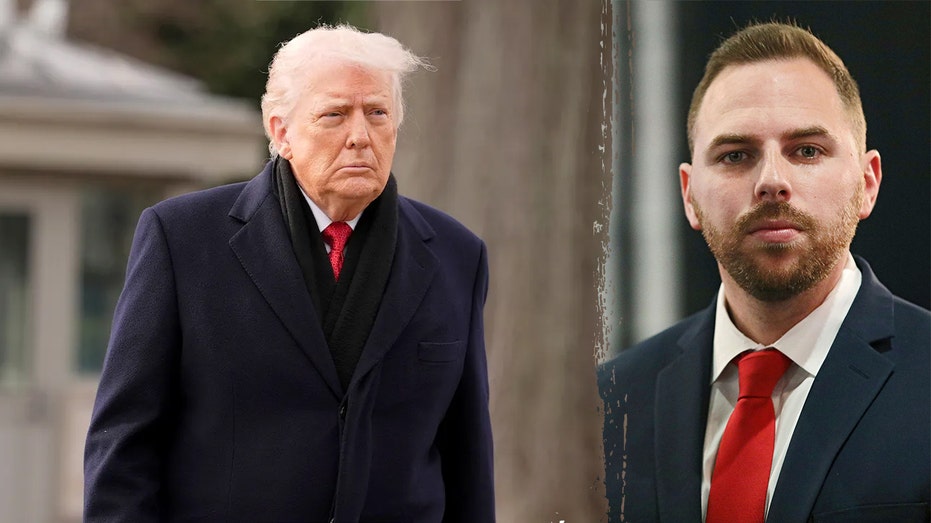
In a stunning turn of events, former President Donald Trump has officially withdrawn his endorsement of Oklahoma's Jackson Lahmeyer, a pastor and political newcomer, to throw his weight behind seasoned candidate Mark Tedford. This unexpected strategy change marks a crucial pivot as the 2026 midterm elections loom closer, reflecting the intense dynamics within the GOP. Lahmeyer, who had garnered considerable grassroots support, announced the suspension of his campaign on social media, leaving many political observers surprised.
“I am disappointed but respect the decision of the former President,” said Lahmeyer in his statement. Trump's endorsement of Tedford suggests a preference for a candidate perceived as more aligned with established party interests and crucial national priorities. Tedford, a local businessman with a long record of contributions to the community and conservative causes, is viewed by many as a strong contender who may better serve the GOP's needs.
This endorsement shift could signal an underlying strategy within the Republican Party ahead of the midterms—a move aimed at consolidating support for candidates who can effectively galvanize voters in a critical battleground state. Mark Tedford’s campaign focuses on key issues such as border security, economic recovery, and preserving conservative values, resonating with the party's base in Oklahoma. As Trump continues to navigate these endorsements, the implications for future races become increasingly significant, particularly with potential 2024 aspirations on the horizon.
The broader impact of this development highlights Trump's continued influence in the Republican Party and raises questions about the future direction of GOP endorsements. With Lahmeyer stepping back, it remains to be seen how his supporters will respond and if Tedford can unite the party's factions in a competitive primary. The 2026 elections promise to be pivotal, shaping the landscape for national politics as conservatives strive to maintain their momentum and recapture control in Congress.


