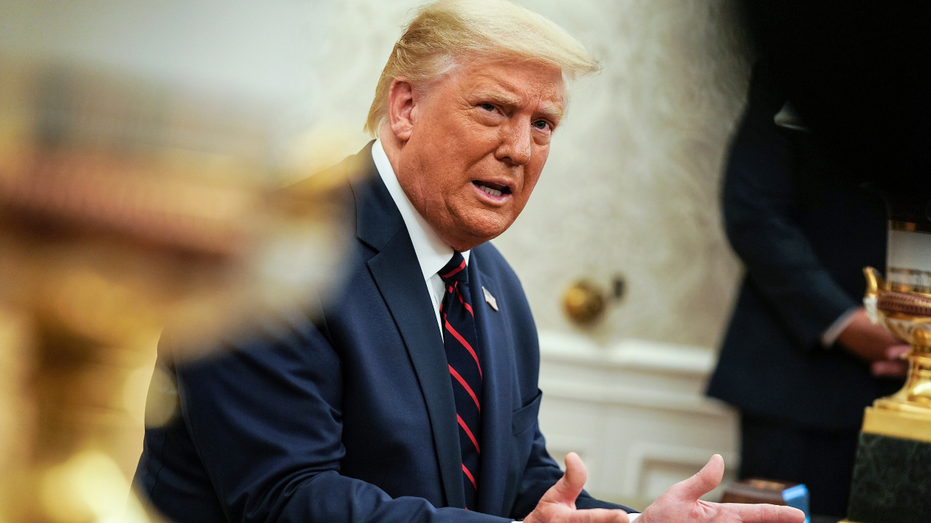
The recent memorandum of understanding regarding Iran proposed by former President Donald Trump is proving to be a flashpoint within the Republican Party, dividing prominent hawks and America First conservatives. On one side, Senators like Bill Cassidy and Ted Cruz argue that the deal relinquishes crucial leverage over Tehran and could lead to a more aggressive Iranian regime. On the other, Trump’s allies insist that the agreement is a necessary step towards peace and stability in the region, claiming that the hawkish stance may ultimately provoke further conflict.
Critics of the memorandum view the agreement as a dangerous concession that could embolden Iran's nuclear ambitions. Cassidy emphasized during a recent press conference, “Allowing Iran to operate with less restriction is tantamount to inviting chaos not just in the Middle East, but globally.” These concerns echo a broader sentiment among traditional hawks in the GOP, who fear that a perceived retreat from hardline policies could undermine U.S. influence in the region and embolden adversaries like Russia and China.
**Conversely, the America First faction believes in prioritizing U.S. interests over longstanding foreign policy paradigms. Trump allies argue that the deal, while imperfect, represents a step towards normalization that could pave the way for future diplomatic engagements. This viewpoint is rooted in a broader critique of interventionist policies that have dominated U.S. foreign relations, suggesting that a hardline stance may not yield the desired outcomes. As Eric Brakey, a Republican strategist, put it, “We need to find a balance that protects our interests but doesn't drag us into endless wars.


