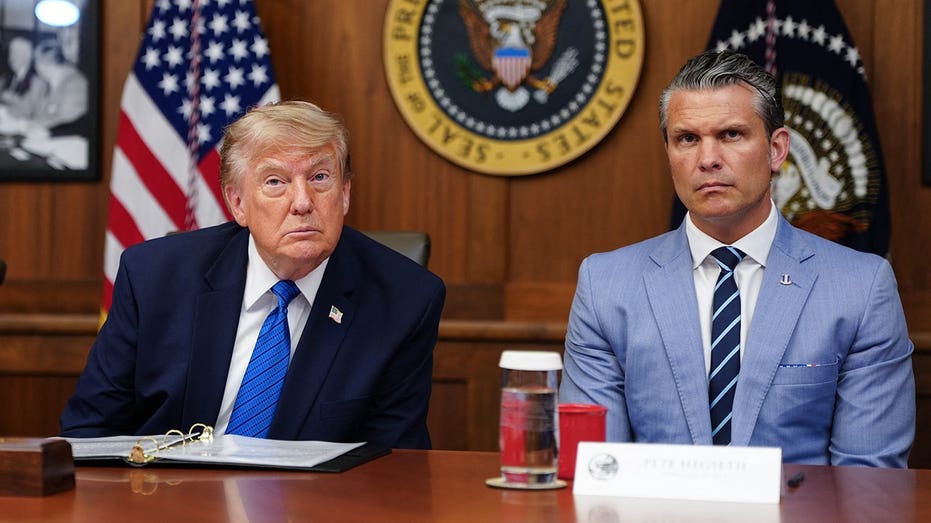
A New Direction for the Army. As the Trump transition team solidifies its vision for the Department of Defense, the search for the next Secretary of the Army has intensified. Reports indicate that current leadership dynamics, specifically regarding clashes between incumbent Dan Driscoll and prospective Defense Secretary Pete Hegseth, have prompted a swift reassessment of the role. For the Trump administration, selecting an Army Secretary who understands the urgency of dismantling woke bureaucracy is paramount. The names being floated, including decorated combat veterans Sean Parnell and Congressman Brian Mast, suggest a clear preference for leaders who prioritize military readiness and a meritocratic culture over the social engineering projects that have plagued the Pentagon for the last four years.

Combat Veterans at the Helm. Both Sean Parnell and Representative Brian Mast bring significant battlefield experience and a track record of challenging the status quo within the nation’s capital. Parnell, a veteran of the 10th Mountain Division, has long been a vocal advocate for restoring the warrior ethos within the Army, often criticizing the slow degradation of standards during recent administrative cycles. Congressman Brian Mast, who lost both legs while serving in Afghanistan, brings a unique blend of legislative acumen and frontline military perspective that could prove essential in navigating the difficult budgetary and policy battles ahead. Supporters of these candidates argue that their leadership would provide the necessary backbone to hold the top brass accountable, ensuring that the primary mission of the Army—to fight and win the nation’s wars—is once again the singular focus of the force.

Reclaiming the Military Institution. The broader political significance of these deliberations cannot be overstated, as the American public has grown increasingly disillusioned with the perceived politicization of the armed forces. By moving to install leaders like Parnell or Mast, the Trump administration is effectively sending a signal that the era of social experimentation within the ranks is rapidly coming to an end. This is not merely a personnel shuffle; it is a fundamental reclamation of the military as an institution committed to national security rather than domestic political agendas. As the confirmation process looms, the focus will remain on whether these candidates can successfully excise the administrative rot and restore the trust of both the American people and the men and women currently serving in uniform.


