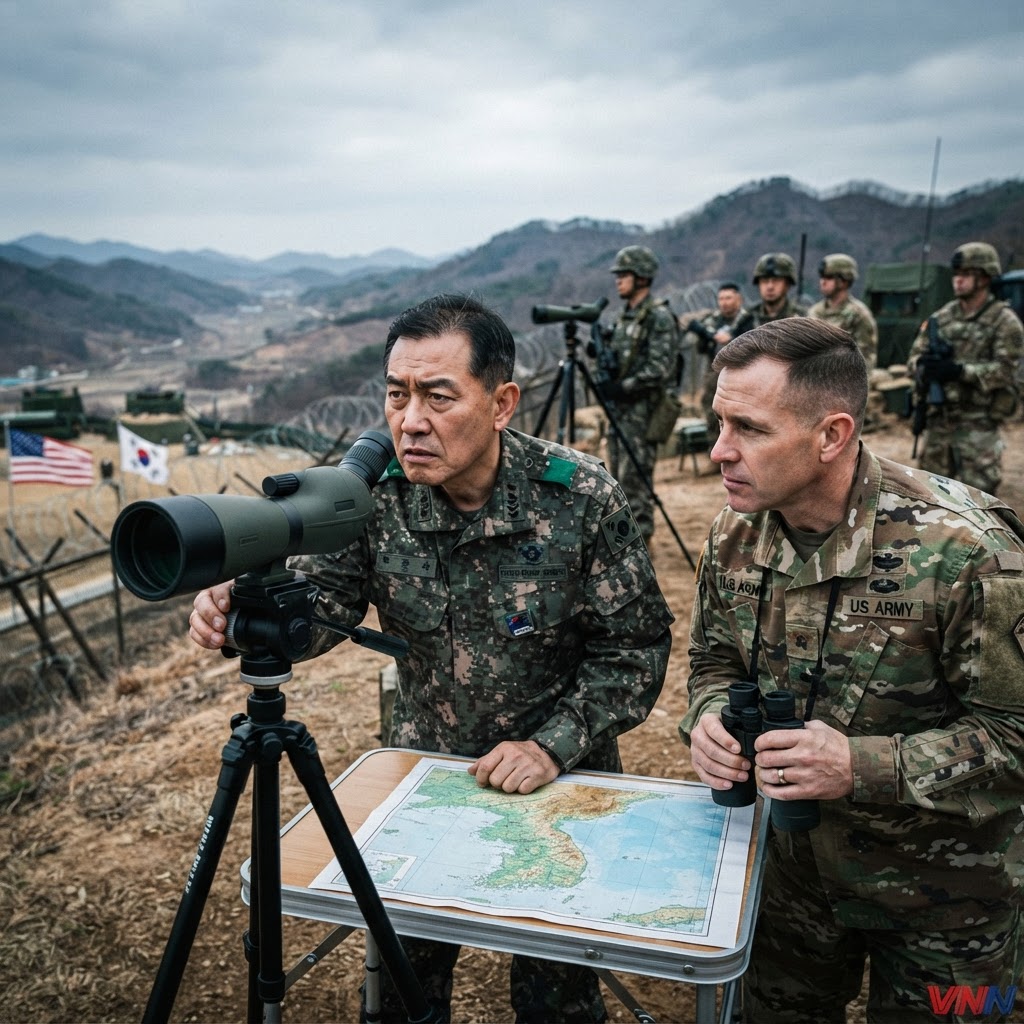
A Strategic Misstep in the Pacific Theater. The announcement that the Pentagon will substantially reduce Joint Military Exercises with South Korea represents a profound shift in American defense policy that critics are calling a strategic blunder. By framing these essential training operations as mere bargaining chips, the administration has effectively signaled to both Seoul and Tokyo that American commitment to regional stability is secondary to impulsive deal-making. These drills are not merely bureaucratic exercises; they serve as the backbone of interoperability between our forces and our Korean allies, ensuring that in the event of a provocation from the North, our combined military posture is seamless and ready to act. Removing this layer of preparedness creates a dangerous vacuum that Pyongyang is all too eager to exploit, potentially shifting the balance of power in favor of Kim Jong Un's regime. ## The High Cost of Diplomatic Gamble. Beyond the tactical implications, there is a deep concern regarding the message this decision sends to other nations looking to the United States for security guarantees. When we erode our defense presence, we invite aggressive actors to push boundaries, betting that Washington lacks the resolve to respond with traditional strength. The administration’s assertion that this reduction will somehow facilitate long-term peace ignores the historical reality that strength, not appeasement, has historically deterred conflict on the Korean Peninsula. By leveraging our military readiness to appease a dictatorial regime, we have weakened the very deterrence that has kept the region from erupting into total war for decades. Conservative voices have rightly expressed skepticism that such unilateral concessions will ever yield the verifiable denuclearization that remains the stated objective of our foreign policy. ## Implications for the Future of Global Security. This pivot is indicative of a broader, more turbulent shift in American foreign policy that risks alienating our most reliable democratic partners in favor of unpredictable diplomatic theater. If we lose the trust of nations that host our military bases and share our security interests, we sacrifice the global influence that prevents smaller conflicts from spiraling into international catastrophes. The social and political fallout of this decision could resonate long after the current administration leaves office, as our adversaries observe our internal fracturing and willingness to undermine our own alliances. Maintaining national sovereignty while projecting strength is the cornerstone of a realist foreign policy, and any move that jeopardizes that posture requires intense scrutiny from Congress and the American public. As we look toward the future, the stability of the Indo-Pacific will rely on whether the United States chooses to stand by its commitments or continues to prioritize short-term headlines over the long-term safety of our national interests and those of our allies.


