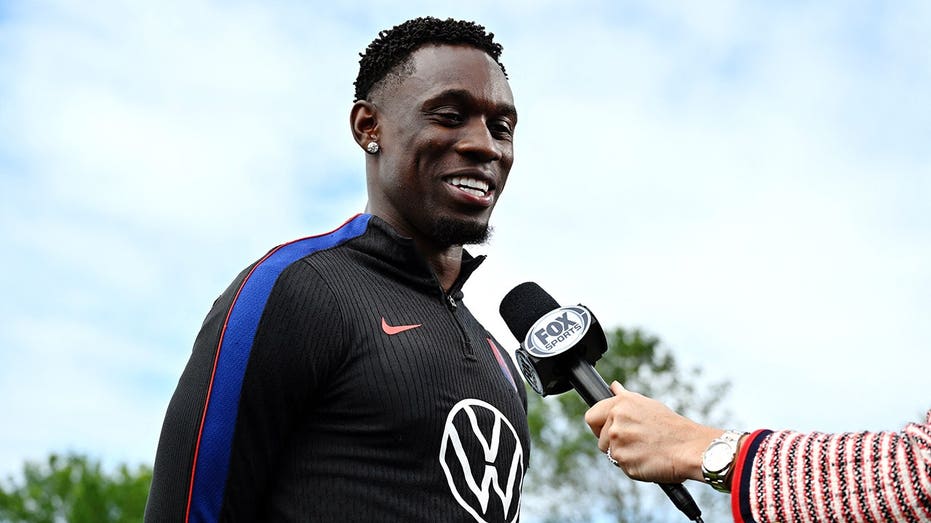
UEFA Accuses FIFA of Crossing 'Red Line' in Balogun Decision
European football's governing body UEFA has issued a scathing rebuke of FIFA after the world governing body moved to suspend the red card ban handed to United States international Folarin Balogun, clearing the striker to participate in the upcoming Round of 16 World Cup clash. In a sharply worded statement released Friday, UEFA accused FIFA of unilaterally overturning a legitimate disciplinary sanction and warned that such interventions undermine the integrity of the tournament. "This decision crossed a red line," UEFA's statement read in part. "The rules of competition must be applied consistently and without favor, or the entire framework of fair play collapses." The controversy has ignited a firestorm across the global football community, with critics questioning whether FIFA is selectively enforcing its own regulations.
Folarin Balogun, who features for Monaco at the club level and has become a cornerstone of the US Men's National Team attack, was shown a red card in the final group stage match following a controversial challenge that drew immediate scrutiny from officials and pundits alike. The initial suspension would have ruled him out of the knockout fixture—a significant blow to an American side heavily reliant on his pace and finishing. FIFA's disciplinary committee, however, opted to suspend the ban pending review, citing what it called "procedural considerations" and "mitigating circumstances." UEFA's leadership was having none of it, suggesting the decision reflects a broader pattern of inconsistency at the highest levels of football governance and questioning whether political or commercial pressures influenced the outcome.
Broader Implications for World Football Governance
The clash between UEFA and FIFA is not merely a technical dispute over one player's eligibility—it is the latest escalation in a long-simmering power struggle between the two most influential bodies in world football. Conservative commentators and longtime observers of the sport have noted that FIFA's credibility has been repeatedly called into question over the years, from opaque awarding of World Cup hosting rights to internal corruption scandals that have eroded public trust. When governing bodies selectively apply their own rules, it sends a dangerous message: that the rules are negotiable for the right team, the right market, or the right political moment. The Balogun affair now sits squarely within that troubling tradition, and UEFA's willingness to publicly confront FIFA suggests the rift is widening.
At its core, this story is about accountability—an issue that extends far beyond the pitch. Whether in sports, government, or corporate America, the American public has grown weary of elite institutions that enforce rules selectively and shield themselves from meaningful oversight. FIFA's decision to intervene on Balogun's behalf, regardless of the merits, will be scrutinized through that lens. If global institutions cannot demonstrate basic fairness and transparency in something as straightforward as a red card suspension, why should anyone trust them on matters of greater consequence? UEFA's blistering statement may be about football today, but it taps into a frustration that resonates with anyone who believes that no institution—no matter how powerful—should be above the rules it writes for everyone else.


