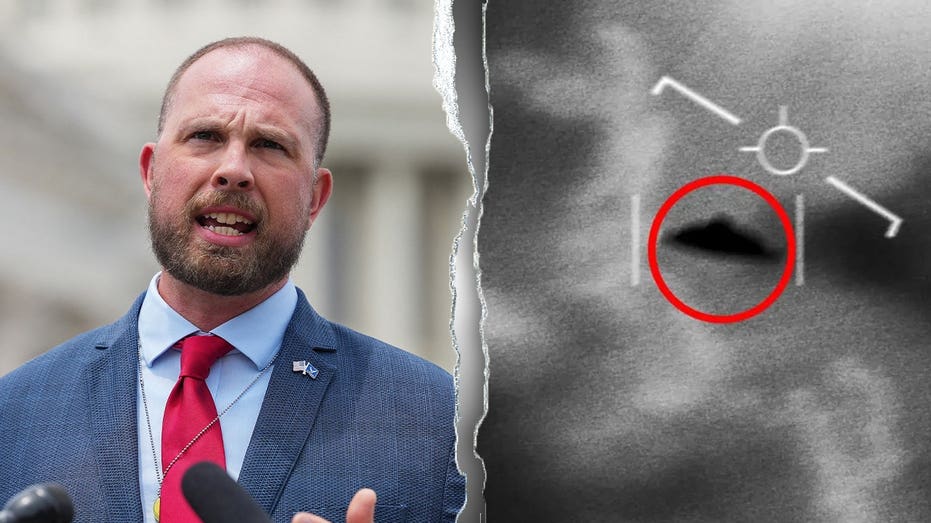
In a stunning revelation that could shake the foundations of trust in government, former intelligence officer David Grusch has come forward with claims that billions of dollars are being hidden from Congress by various U.S. intelligence agencies. Grusch, who previously served in the U.S. Air Force and has extensive experience in the realm of Unidentified Aerial Phenomena (UAP), asserts that this clandestine spending has been funneled through unaccounted “slush funds,” leaving lawmakers in the dark about how taxpayer money is being utilized. This allegation opens a Pandora's box of questions about oversight, accountability, and the potential implications for national security.
Grusch’s assertions are not casual musings; he presented his claims during a recent congressional hearing on UAP, where he asserted that certain agencies have deliberately obscured their financial activities. His testimony underlines a critical point: a lack of congressional oversight can lead to unchecked spending and possible misconduct. “There are programs that are being funded that I can only describe as sinister,” Grusch stated, challenging Congress to dig deeper into this hidden budgetary madness. As taxpayers, we have every right to know where our money goes, especially given the sensitive nature surrounding UAP investigations.
The implications of Grusch’s claims could reverberate far beyond just government spending. If true, it raises essential questions about the integrity of the agencies involved and their motives behind such secrecy. Critics have pointed to a culture of obfuscation within some intelligence operations, where accountability is often sacrificed in the name of national security. Conservative commentators have expressed outrage over what appears to be a startling lack of respect for democratic processes. Lawmakers from both parties must unite to demand transparency regarding these alleged financial misdeeds.
As this groundbreaking story continues to unfold, it signifies a broader global concern regarding governmental accountability and the need for oversight mechanisms. In an age where transparency is increasingly sought by the public, incidents like these can erode trust in institutions that are meant to both protect and serve. As citizens demand more answers, it’s crucial that the political agencies—not the public—be held accountable for their financial decisions, reaffirming the crucial role of oversight in a healthy democracy.