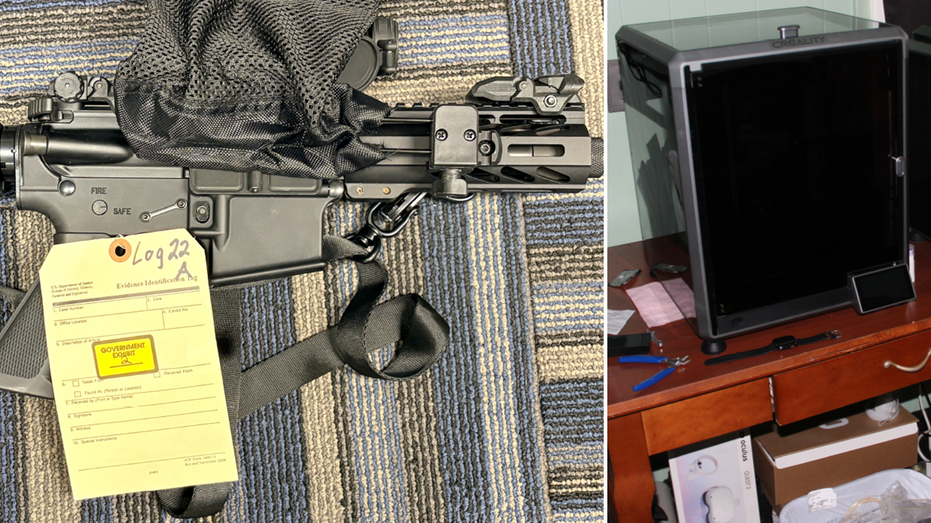
In a significant ruling, Yaroslav Vishnevski, a Ukrainian national who completed officer training with the U.S. Air Force, has been convicted on five federal counts connected to a 3D printing operation for ghost guns and possession of unregistered silencers. Authorities discovered that Vishnevski utilized advanced technology to manufacture untraceable firearms, raising alarms within law enforcement about the potential implications for public safety. This case sheds light on the escalating issue of unregulated firearms slipping through the cracks of the legal system, especially in light of rising crime rates in urban areas across the nation.
Vishnevski's operation not only highlights the threat of ghost guns—firearms manufacturers without serial numbers—but also brings attention to the alarming trend of illegal equipment being imported from countries like China. According to reports, the silencers found in Vishnevski’s possession were linked to an international smuggling network, further complicating the picture. Gradually, these developments expose deeper vulnerabilities in the enforcement of our nation’s existing gun laws, prompting calls for more stringent regulations to curb the underground manufacturing and trafficking of weapons. "We must take a hard look at our gun laws and figure out where exactly the loopholes lie," said one concerned lawmaker, emphasizing the urgent need for legislative reform.
Vishnevski's conviction serves as a stark reminder of how individuals with military training can divert their skills toward illegal activities, underlining the necessity for thorough vetting and monitoring of foreign nationals. Critics argue that his case exemplifies a breach of trust, particularly given the privileged role of military training. The FBI and other federal agencies are likely to push for greater attention on how emerging technologies, such as 3D printing, are being exploited for criminal purposes. As discussions around gun control and public safety continue to be a predominant topic in American politics, this case will likely serve as a catalyst for intensified debates and potential policy changes. The implications for our nation’s security and the integrity of our armed forces could be profound, demanding a proactive response to avert future threats.
In summary, the conviction of Yaroslav Vishnevski not only brings individual accountability but also necessitates a broader examination of systemic issues surrounding ghost guns and illegal imports. As lawmakers grapple with the complexities of firearm legislation in an ever-evolving technological landscape, the need for a sensible yet firm approach to gun control has never been more crucial.


