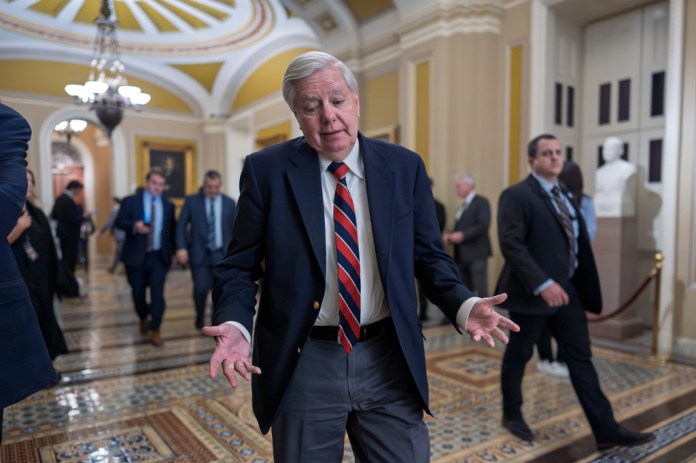
Lindsey Graham Faces Unprecedented Challenge
Senator Lindsey Graham (R-SC) appears poised to confront a political challenge he has not experienced in over two decades as South Carolina's primary elections approach. Traditionally, Graham has sailed through Republican primaries without the need for runoffs, owing to his established reputation and the strength of his party's base in the state. However, a recent Citadel poll revealed a surprising statistic: 18% of likely Republican primary voters are still undecided ahead of the election. This development strips away the certainty that Graham relied on in past elections and raises questions about voter sentiment and preferences heading into a pivotal election cycle.
A Changing Political Landscape
The rise of undecided voters can be attributed to a variety of factors, including Graham's position on several key issues such as immigration reform, healthcare, and his foreign policy stance. As he navigates this shifting political landscape, Graham must also contend with the ascendant influence of more extreme elements within the party, who may favor candidates who align strictly with Donald Trump's MAGA priorities. Furthermore, the undecided bloc's potential to sway the results adds an unpredictable element to the primaries, thereby increasing the stakes for Graham and his campaign team. Observers note that this dynamic could force the incumbent senator to pivot closer to the ideological center to secure enough votes while attempting to avoid alienating the core Republican base.
The Bigger Picture
From a broader perspective, this situation signals an inflection point for the GOP in South Carolina and could serve as a bellwether for national trends heading into the midterm elections. If a seasoned incumbent like Graham finds himself in a runoff, it could undermine the party's confidence as they prepare for what promises to be a contentious electoral season. It also raises implications for future strategy: candidates may need to prioritize grassroots outreach and clear, decisive stances on issues that resonate with conservative voters. At VNN, we believe that for Graham, and indeed for all GOP candidates, engaging directly with voters and articulating clear visions on policy will be essential to navigating the evolving challenges presented by a more fragmented electorate. The outcome in South Carolina will undoubtedly be watched closely as both a local defining moment and a national harbinger of Republican fortunes moving forward.


