A New Chapter for American Basketball
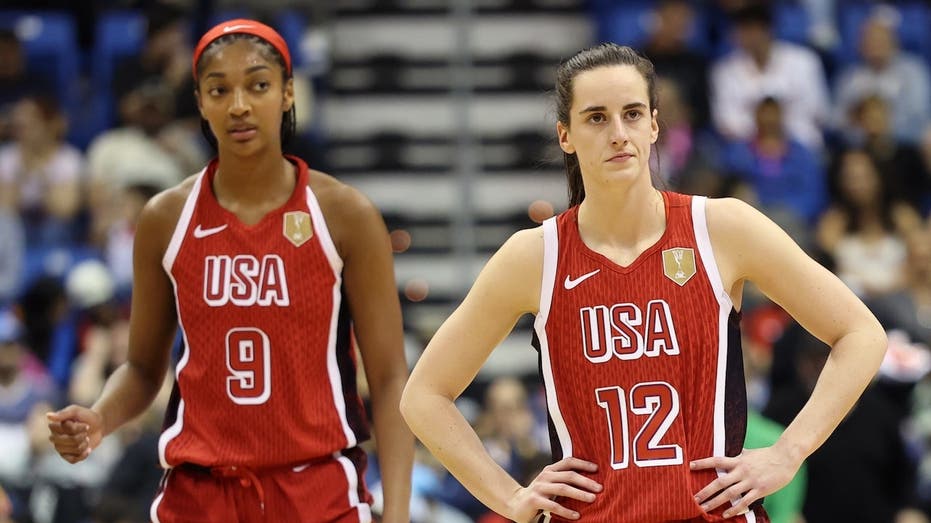
In a move that has stunned the sports world, WNBA rivals Caitlin Clark and Angel Reese have been forced to put aside their domestic hostilities to anchor Team USA at the upcoming Women's Basketball World Cup in Berlin. The two stars, who have driven unprecedented viewership and competitive intensity to the WNBA throughout the past season, are now tasked with the singular goal of preserving the United States' remarkable 30-game winning streak in international play. As the league enters a high-stakes hiatus, the eyes of the nation turn toward these young icons to see if they can translate their individual successes into a cohesive, gold-medal performance on foreign soil. Coaches and analysts alike are watching closely to see if the chemistry required for international dominance can overcome the friction that has defined their professional matchups.
The Pressure of the American Standard
Maintaining a 30-game international winning streak is no small feat, as the global competition continues to close the talent gap that historically favored American squads. Team USA leadership has made it clear that personal accolades and individual branding must take a backseat to the collective necessity of victory. For Clark, known for her deep-range shooting, and Reese, celebrated for her relentless rebounding, this tournament represents a high-pressure baptism by fire. The pressure is compounded by the intense media scrutiny that follows both athletes everywhere they go, turning every practice session in Berlin into a spectacle. Success in this tournament will require them to act as a unified front, projecting an image of American excellence that transcends the petty squabbles often highlighted by mainstream sports media.
More Than Just a Game
Beyond the hardwood, the participation of these two women in a collective effort carries significant weight in the broader cultural landscape. Their ability to work together serves as a litmus test for a generation that often prizes individual identity over institutional loyalty. By placing the flag above their own personal narratives, Clark and Reese have the opportunity to prove that the spirit of competition in America can still foster unity rather than division. Should they return home with gold, it would validate the hard work of the coaching staff and silence critics who argue that the modern game is too fractured to sustain a dynasty. Ultimately, this World Cup journey serves as a reminder that when the national anthem plays, individual agendas must yield to the higher calling of representing the American people with dignity and grit.


