A Theology of Subversion
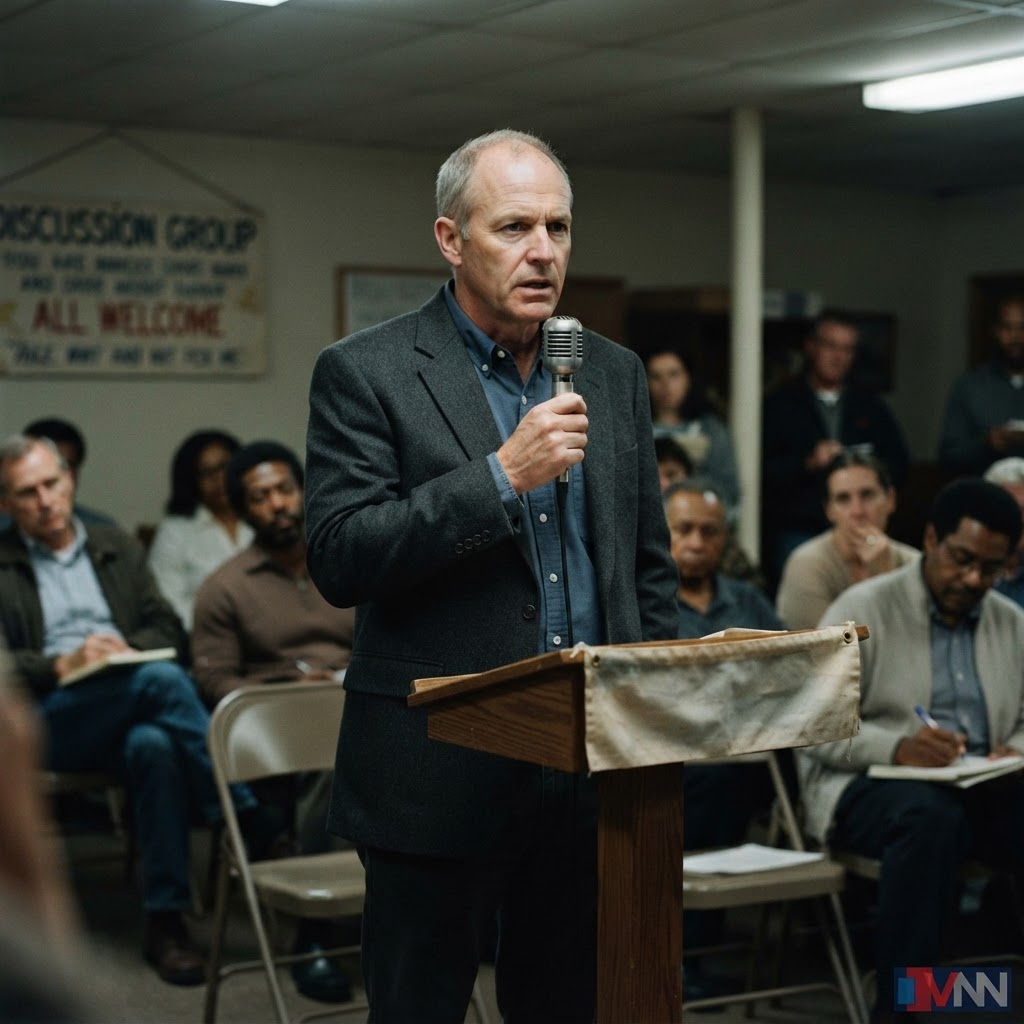
Recent undercover footage obtained by Breitbart News has pulled back the curtain on the spiritual influences surrounding Democrat U.S. Senate candidate James Talarico. The video features Rev. Jim Rigby, a man Talarico has frequently cited as a mentor and spiritual guide, articulating a radical departure from traditional Christian ministry. In the recordings, Rigby is seen openly inviting atheists into his church, explicitly stating that if individuals 'hate religion,' they are on the 'same team' as his congregation. This admission forces voters to consider what kind of moral and philosophical foundation is driving the platform of a candidate who leans heavily on his identity as a man of faith while aligning with figures who prioritize political activism over religious dogma.
Aligning with the Godless
The implications of Rev. Rigby’s outreach strategy are profound, suggesting a calculated effort to blend secular leftist ideology with religious terminology. By declaring that his church is a sanctuary for those who harbor disdain for religious tradition, Rigby is effectively eroding the distinction between a house of worship and a political organizing hub. For conservatives, this is not merely a matter of theological disagreement; it is a signal of the broader effort by the progressive left to hollow out traditional institutions from within. Talarico’s close association with such a figure invites legitimate questions about whether his own policy positions are shaped by a genuine commitment to his constituents' values or by this specific brand of identity-driven, anti-establishment progressivism.
The Broader Political Betrayal
This controversy underscores a growing disconnect between traditional faith communities and the political left, which increasingly appears comfortable with voices that openly mock the fundamental tenets of Christianity. As Talarico seeks higher office, the electorate must reconcile his public image as a faith-oriented leader with the reality of his ideological mentors who seem intent on dismantling the very concept of religious belief. This pattern of 'progressive pastoring' is symptomatic of a larger movement aimed at co-opting religious rhetoric to advance a radical agenda that rejects the foundational principles of American society. Ultimately, voters are left to decide whether candidates who align themselves with those who 'hate religion' can truly be trusted to protect the religious liberties and values that serve as the bedrock of our constitutional republic.


