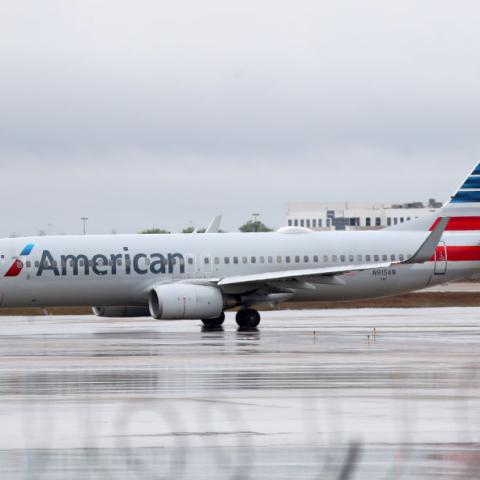
U.S. Airline Fuel Expenses Up 78% in April Despite Using Less Fuel Than Last Year
In a striking paradox, U.S. airlines reported an astonishing 78% increase in fuel expenses for April compared to the same month last year, even though they utilized slightly less fuel overall. Airlines spent nearly $6.5 billion on 1.573 billion gallons of fuel during the month, revealing the immense cost pressures the aviation industry is currently facing. These figures were released in a recent report detailing the economic challenges that airlines must navigate in a post-pandemic environment, compounded by rising global oil prices and supply chain disruptions. The stark contrast between the amount of fuel consumed and the costs incurred raises serious concerns about sustainability in the airline industry moving forward.
Background and Economic Stakes
The rise in fuel prices can largely be attributed to geopolitical tensions and production cuts by oil producers amidst fluctuating demand. Factors like OPEC's decisions and the instability in oil-producing regions have a domino effect, driving costs upwards. Airline companies, many of which are still recovering from the financial fallout of COVID-19, face an uphill battle as they grapple with this unprecedented inflation in operational costs. Companies like Delta and Southwest may soon find themselves forced to pass these costs on to consumers, resulting in increased ticket prices, potentially stifling demand in a delicate recovery phase for the industry.
Analysis: Implications for the Industry and Consumers
The implications of these rising costs are multi-faceted. For the airlines, continued increases in fuel prices threaten profit margins and could lead to further job cuts or reduced services. For consumers, this scenario could result in higher airfares, making travel less accessible amid rising inflation in everyday goods and services. Additionally, if consumers begin tightening their budgets, the collective spending power may decline, leading to an overall contraction in economic activity. The VNN perspective stresses the need for a thorough review of energy policies and industry sustainability to protect consumers as well as the airlines themselves, emphasizing the importance of fostering a stable economic environment in which both can thrive.


