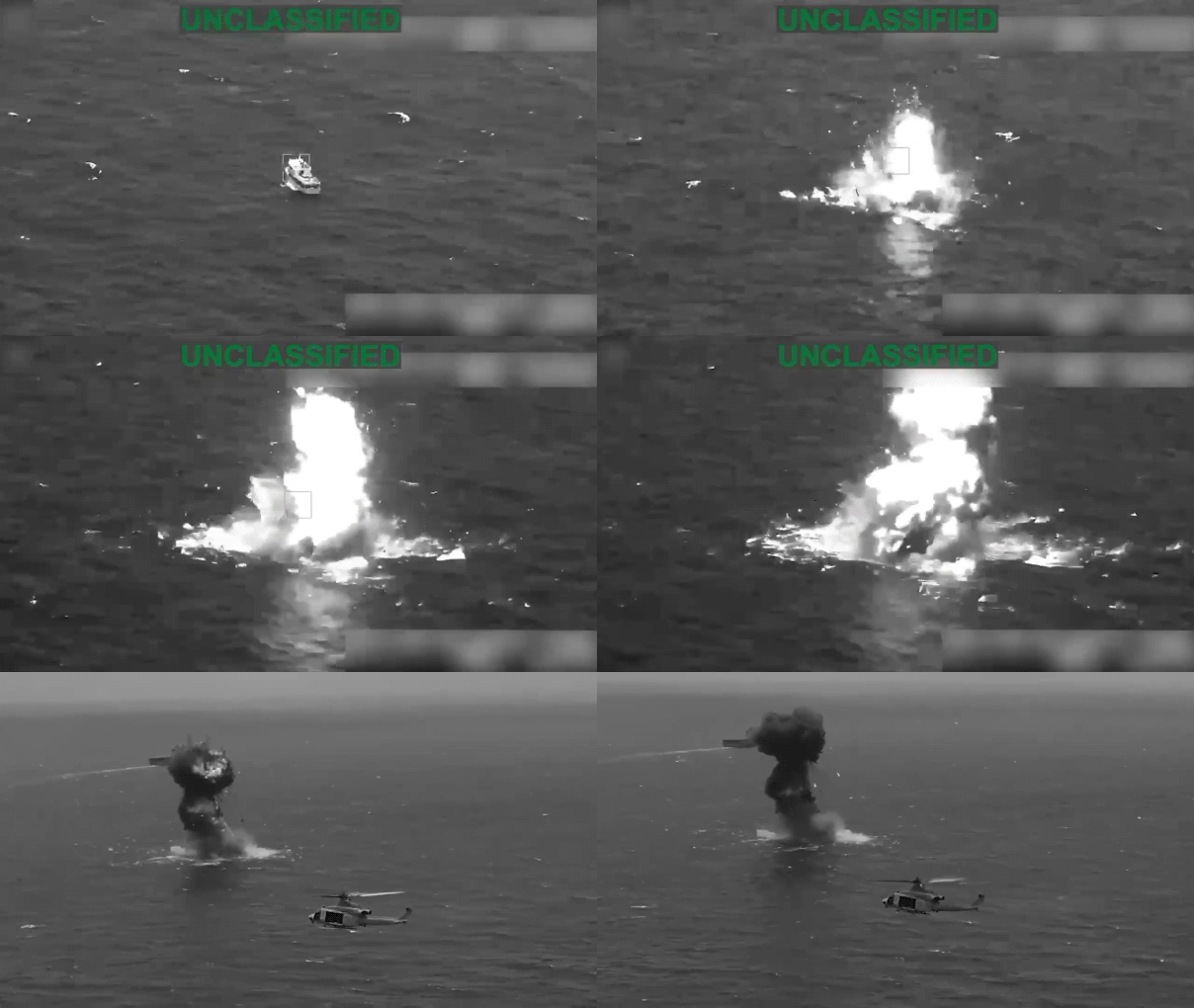
A Decisive Strike Against Cartel Infrastructure. On September 8, the United States military carried out a successful operation to sink a vessel identified as a critical floating refueling station used by the Los Choneros criminal organization. This maritime asset functioned as a illicit lifeline for the group, facilitating the transit of dangerous narcotics and weapons across the Pacific. By neutralizing this mobile hub, the Department of Defense is delivering a clear message that the long reach of American naval superiority will not allow criminal cartels to operate with impunity in the open ocean. This action is part of a broader, increasingly aggressive campaign to disrupt the supply chains that fuel the ongoing crisis at our southern border and threaten the safety of American communities. ## The Strategic Reality of Narco-Terrorism. The involvement of groups like Los Choneros highlights a deepening integration between organized crime and terror-like tactics in the Western Hemisphere. These syndicates have transitioned from simple smuggling operations to sophisticated logistical networks that mimic state-level capabilities, utilizing offshore platforms to sustain their illicit activities far beyond the reach of local law enforcement. Military analysts emphasize that the destruction of these 'floating gas stations' is a surgical intervention designed to starve these organizations of the mobility required to transport contraband. As the cartel threat continues to evolve, the necessity for robust naval presence and intelligence-led kinetic action becomes increasingly paramount in preventing these organizations from establishing a permanent maritime domain of influence. ## Protecting the Sovereignty of the Americas. The broader political implications of this operation are significant, as they draw a hard line against the expansion of cartel power in the hemisphere. For too long, these criminal actors have operated under the assumption that they could manipulate weak jurisdictions and exploit maritime loopholes to advance their profit margins at the expense of American security. By taking direct action, the United States is reclaiming the initiative in a war that has often been fought with limited success on land. This operation stands as a testament to the fact that when national security is prioritized over bureaucratic hesitation, the U.S. military remains the most effective tool in the fight against those who seek to destabilize our nation. Protecting our maritime interests is not merely a strategic endeavor; it is an essential component of safeguarding our borders and our citizens from the corrosive influence of international drug cartels.


