A Decisive Response in the Gulf
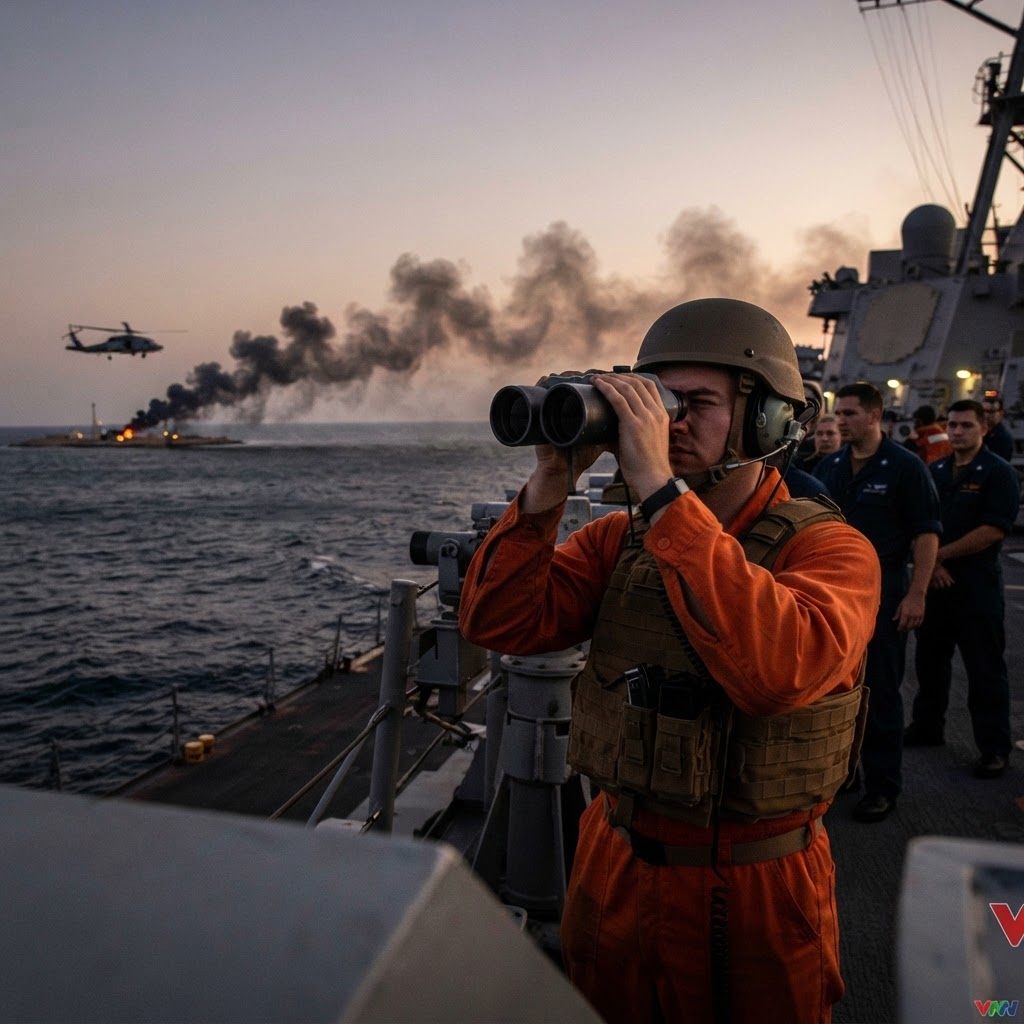
In a decisive projection of American power, U.S. forces conducted a series of 'powerful strikes' against Iranian military assets early Wednesday morning. This retaliatory action came as an immediate consequence of Tehran’s unprovoked aggression against three commercial vessels transiting the vital Strait of Hormuz. By targeting the very assets used to threaten global energy supplies, the Pentagon has sent an unambiguous message that the United States will not tolerate the harassment of international shipping lanes. Military analysts suggest that the precision of these strikes reflects a shift toward a more robust posture, moving away from previous attempts at diplomatic appeasement that critics argue only emboldened the Islamic Republic to escalate its regional defiance.
Tehran’s Violation and the Ceasefire Collapse
The situation reached a boiling point when Iranian maritime units initiated a coordinated offensive against neutral merchant ships, claiming they were in violation of restricted zones. U.S. Central Command immediately countered this narrative, declaring the assault a 'clear violation of the ceasefire' and a deliberate threat to global commerce. For months, the Biden administration has touted the stability of the current ceasefire, but the reality on the ground in the Persian Gulf tells a far more volatile story. The fact that Tehran felt empowered enough to launch such a brazen, multi-vessel attack demonstrates the fragility of current foreign policy and the emboldened nature of the IRGC when faced with perceived weakness from the West.
The Broader Geopolitical Stakes
The broader significance of this engagement cannot be understated, as the Strait of Hormuz remains the world's most important oil chokepoint. Any disruption in this region poses an immediate and direct threat to the global economy, as well as the economic security of American citizens who are already struggling with inflationary pressures. Beyond the maritime logistics, this escalation signals a deepening crisis in the Middle East, testing the current administration’s commitment to its allies and its willingness to confront rogue actors with ironclad resolve. As the geopolitical landscape shifts, the American public is left to wonder if these surgical strikes represent a momentary pause in hostilities or the beginning of a larger, unavoidable confrontation with an Iranian regime that remains fundamentally committed to undermining U.S. interests.