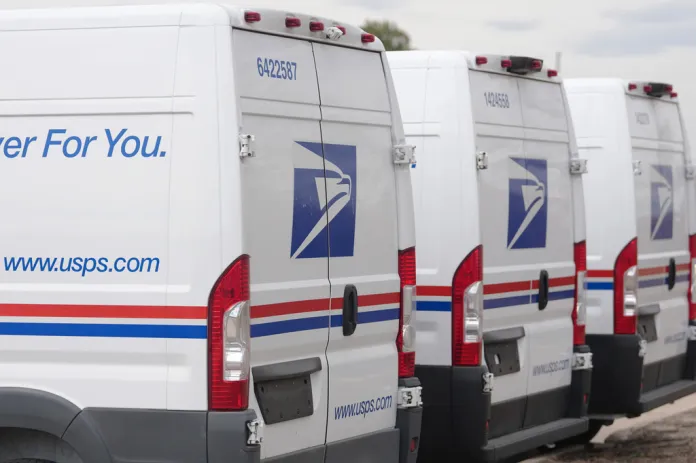
A New Standard for Election Integrity The United States Postal Service (USPS) released a definitive 95-page final rule this Friday, signaling a rigorous commitment to President Donald Trump’s March executive order, 'Ensuring Citizenship Verification and Integrity in Federal Elections.' This landmark policy establishes clear, binding procedures for the handling of mail-in ballots, effectively ending the era of lax oversight that many conservative watchdogs have criticized for years. Under the new mandate, the agency is formally directing state election officials to provide authenticated lists of registered voters who have successfully undergone federal citizenship verification. By establishing these protocols, the USPS is positioning itself as a proactive partner in protecting the sanctity of the democratic process from the administrative vulnerabilities that previously clouded confidence in postal voting. ## Operational Overhaul and State Compliance The technical requirements outlined in the report are substantial, requiring states to integrate their voter registration databases with federal citizenship records before ballots can be processed through official postal channels. This directive serves as a necessary check against the potential for non-citizen participation in federal contests, a concern that has been a cornerstone of the Trump administration's legislative agenda. Agency spokespeople have signaled that failure to comply with these rigorous verification standards will result in immediate delays or rejections of bulk election-related mailings until proper documentation is provided. This authoritative approach reflects a broader trend of federal agencies tightening their administrative grip to prioritize security over the convenience-first models of previous election cycles, which faced widespread scrutiny for their lack of verifiable accountability. ## Reclaiming Public Trust The implementation of these rules is widely viewed as a major victory for election transparency advocates who have long argued that the mail-in ballot process lacked sufficient safeguards against fraud. As the nation prepares for upcoming federal cycles, this standardized approach provides a much-needed layer of objective verification that transcends state-level discrepancies. By requiring states to prove the status of their constituents, the USPS is addressing one of the most significant arguments regarding the potential for election interference. Ultimately, this move represents a broader societal shift toward prioritizing the rule of law and secure borders, even within the logistical mechanisms of the voting process, ensuring that the integrity of the ballot box is defended at every step of the chain of custody.


