A Failure of Federal Leadership
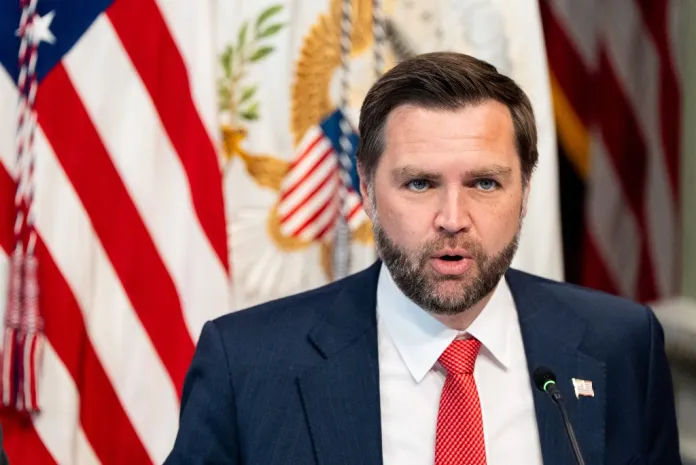
Vice President JD Vance and former Congressman Lee Zeldin are sounding the alarm on what they describe as a profound dereliction of duty by the Environmental Protection Agency regarding the East Palestine, Ohio, train derailment. The massive spill of toxic chemicals, including vinyl chloride and other hazardous materials, sent plumes of noxious smoke into the air and raised immediate concerns about the safety of local water and soil. Despite the obvious severity of the incident, residents were left in the dark for days as federal agencies struggled to provide clear, actionable guidance. Vance is now demanding that the EPA’s Office of the Inspector General launch a comprehensive investigation into the agency's decision-making process, specifically questioning why the administration did not move faster to address the long-term health risks posed to the community. The call for an inquiry highlights a growing frustration among local stakeholders who feel that federal bureaucrats prioritized optics and federal protocol over the immediate safety and well-being of the American people living in the heartland.
Challenging the Administrative State
The demand for accountability goes beyond just a single environmental incident, serving as a broader critique of the administrative state's disconnect from the everyday realities of American citizens. By questioning the EPA’s internal communication and emergency response timelines, Vance and Zeldin are forcing a conversation about whether federal agencies are more interested in protecting their own bureaucratic reputation than fulfilling their core mission of protecting the environment and public health. Critics of the administration have pointed to the inconsistent messaging that plagued the early response, where conflicting reports about chemical containment and air quality left families in a state of avoidable panic. This oversight effort seeks to compel transparency, ensuring that internal emails, policy memos, and logistical decisions are brought into the light of day. For the residents of East Palestine, this investigation is not just about political point-scoring; it is about uncovering why their community was essentially treated as an afterthought by the federal government at a time of extreme crisis.
The Political Cost of Inaction
The political and social implications of this fight are significant, as they touch upon the erosion of trust between the American public and the federal agencies tasked with their safety. When the government fails to act with speed and honesty in the face of a man-made catastrophe, it fuels the public’s belief that they are being neglected by a ruling class that resides thousands of miles away in Washington, D.C. This battle over the East Palestine response is emblematic of the broader conservative struggle to reform federal agencies that have grown bloated, unaccountable, and increasingly insulated from democratic oversight. As the investigation progresses, the findings will likely serve as a roadmap for future legislative reforms aimed at stripping power away from unchecked bureaucrats and returning agency decision-making to a foundation of strict accountability. Ultimately, the fight for justice in East Palestine is a test of whether the system can be held responsible when it fails the very citizens it was established to serve, marking a critical turning point in the battle for transparency in the federal government.


