A New Era of Bipartisan Negotiation
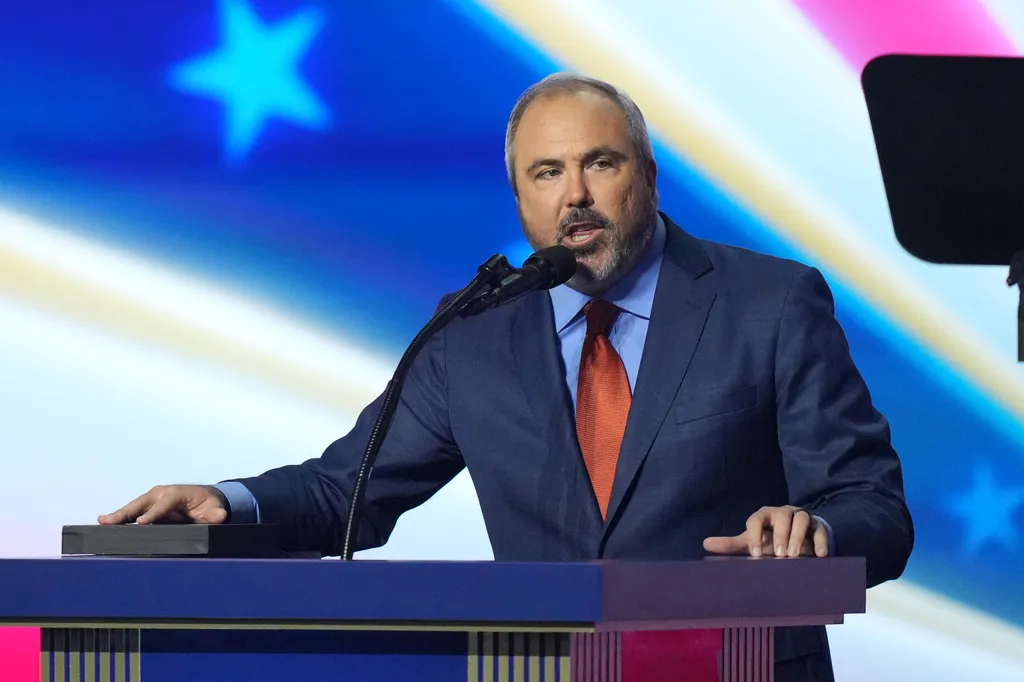
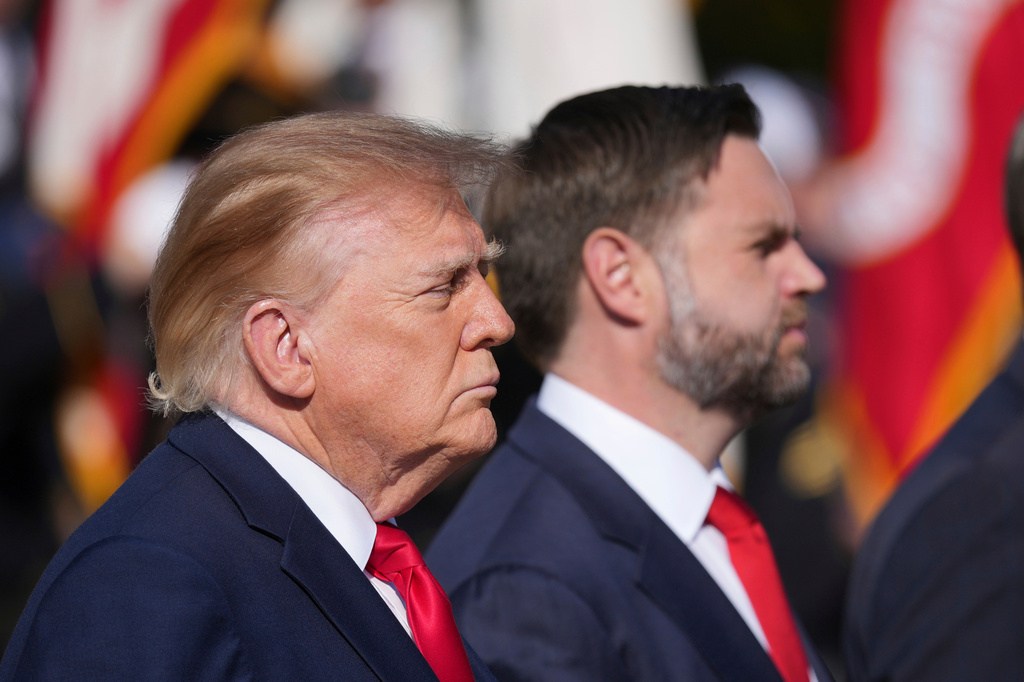
In a marked departure from the scorched-earth rhetoric that defined the previous election cycle, Vice President JD Vance has extended an olive branch to Sen.-elect Abdul el Sayed, suggesting that the ideological divide in Washington may be narrower than the mainstream media cares to admit. During his first post-midterm interview, Vance characterized the Democratic Party's emerging 2026 platform as a mirror reflection of the populist themes that propelled President Donald Trump to victory in 2024. By identifying these shared priorities, Vance is attempting to build a bridge based on the economic nationalism and working-class advocacy that voters overwhelmingly supported at the ballot box. This strategy represents a bold attempt to consolidate the American first mandate by folding traditional Democratic constituent concerns into the broader Trump-Vance vision for the country.
The Populist Convergence
The core of Vance’s outreach centers on the realization that many of the populist anxieties currently animating the left are, in fact, the same grievances that the Trump administration has been championing for years. Vance argued that when Democrats move away from radical social engineering and focus on the material realities of American families, the parties find common ground on critical issues like trade protectionism, revitalizing domestic manufacturing, and checking the influence of globalist corporations. While el Sayed has been a vocal opponent of the administration’s policies in the past, Vance’s optimistic approach suggests that the White House is prepared to leverage legislative successes over partisan gridlock. Observers note that if the administration can successfully peel off Democrats who are sensitive to the populist shift, it could lead to a legislative environment where results prioritize domestic strength over ideological purity.
Implications for the American Future
This strategic pivot by the Vice President signals a maturation of the America First movement, moving from a campaign footing toward an governing philosophy that seeks to include rather than alienate. By inviting Democrats to join forces on shared economic goals, the administration is effectively isolating the far-left faction of the opposition that refuses to compromise on national identity or traditional values. The broader political significance of this move cannot be understated; it frames the 2026 midterm cycle as a referendum on pragmatic governance versus obstructionism. As Washington navigates these turbulent waters, the willingness of high-ranking officials like Vance to engage with ideological opponents serves as a test of whether the system can function effectively when the national interest is placed firmly above partisan branding.