A New Strategic Paradigm
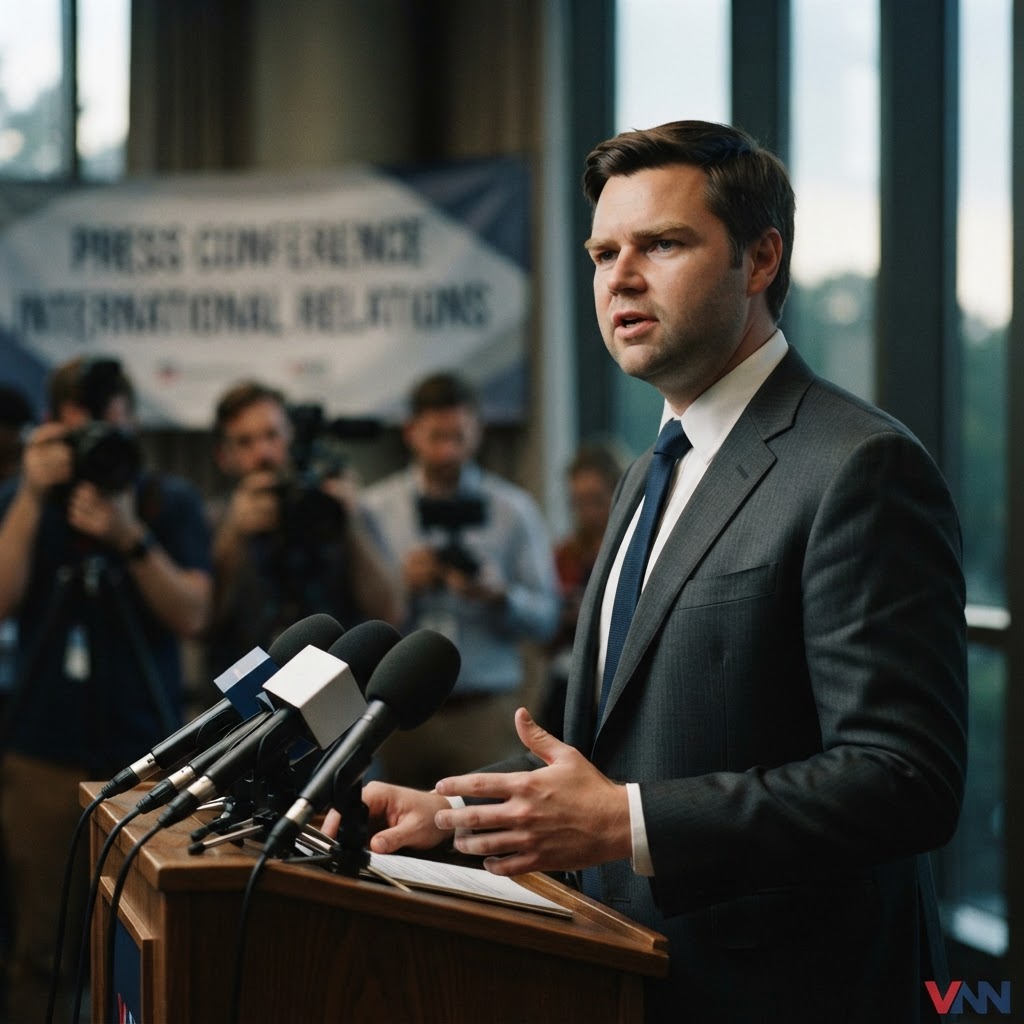
Vice President JD Vance has delivered a stark message to the regime in Tehran, declaring that the 'first phase' of the U.S.-Iran conflict has officially concluded. Speaking with clear, decisive authority, Vance noted that the upcoming months will usher in a 'much different phase' of operations, marking a significant departure from the previous operational tempo. This declaration suggests that the administration has successfully navigated the initial theater of engagement and is now preparing for a more comprehensive and potentially more intense application of American power. The objective remains focused on preventing the Islamic Republic from ever regaining its footing to pursue illicit nuclear ambitions or regional hegemony through its network of proxies.
Neutralizing the Nuclear Threat
The shift in strategy is widely viewed as a direct response to years of intelligence confirming Iran's relentless pursuit of weapons-grade materials and advanced ballistic missile delivery systems. By moving into this second phase, Washington aims to effectively neutralize the economic and logistical pipelines that allow the regime to rebuild its military capabilities after previous setbacks. Observers note that the administration is clearly prioritizing the long-term containment of Iranian aggression over the failed diplomatic appeasement policies of the past. As Washington tightens the screws on Tehran, the regional implications are profound, forcing allies and adversaries alike to recalibrate their standing in the Middle East as the U.S. reasserts its firm commitment to regional stability.
The Broader Geopolitical Stakes
This pivot represents a significant test for the current administration, as it seeks to project strength in an increasingly volatile global landscape. By framing the conflict in phases, the White House is signaling to the American public that there is a long-term, calculated plan to secure national interests rather than reacting sporadically to regional flare-ups. The success of this new phase will hinge on maintaining unity among regional partners and ensuring that the regime in Tehran understands the high cost of continued nuclear proliferation. Ultimately, this move reflects a broader ideological commitment to peace through strength, underscoring the necessity of decisive action to prevent the radicalization of the global order by rogue states seeking to challenge American sovereignty.


