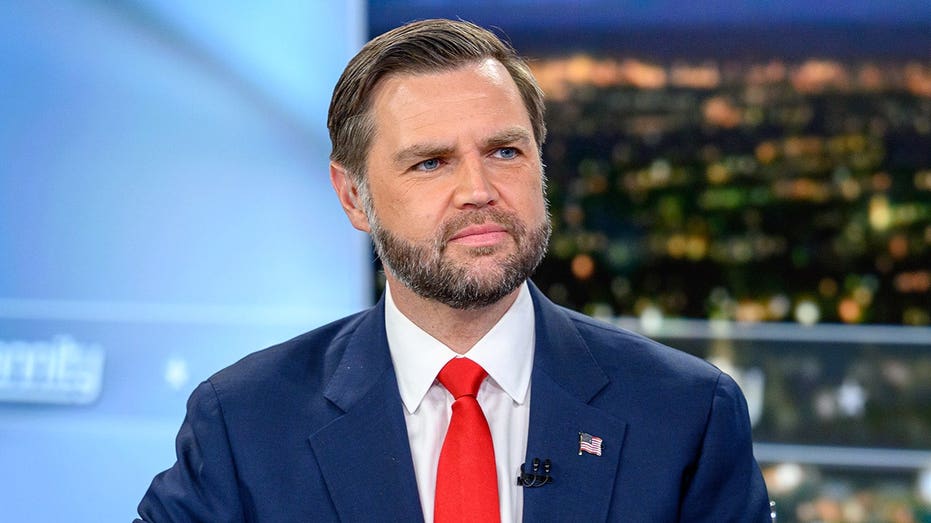
Vance's Regretful Reflection
In a candid admission, Vice President JD Vance has labeled his controversial 2021 remark about 'childless cat ladies' as 'one of the dumbest things I ever said' in his new book 'Communion,' highlighted in a report from NBC News. This comment, made during a public speaking event, was intended to critique societal pressures that discourage traditional family structures, yet it spiraled into a mischaracterization that led to significant backlash. Vance's retraction is a reminder of how remarks can resonate beyond their intended meaning, particularly in the hyper-sensitive climate of modern discourse.
Vance's description of 'childless cat ladies' was met with criticism from various quarters, painting him as out of touch with contemporary family dynamics. While he aimed to address what he perceives as a cultural shift away from traditional values — specifically, the emphasis on having children — his choice of words struck many as derogatory and dismissive. Reflecting on this misstep, Vance has acknowledged that his phrasing failed to consider the complexities of life choices faced by many Americans today.
The Broader Implications
The Vice President's second thoughts come at a crucial time as the nation grapples with declining birth rates and evolving definitions of family. Many conservatives view these trends as indicative of a larger societal malaise, arguing that policies and cultural values should encourage family formation. Vance's evolution on this issue could reflect an awareness of the need to balance criticism of contemporary cultural trends with sensitivity to individual circumstances. As he writes, 'We need to discuss these topics without the inflammatory rhetoric that turns conversation into conflict.'
Vance's remarks hold significant political weight, especially as they emerge from a figure closely associated with the Trump administration and a movement advocating for traditional family values. His self-reflection may position him to lead more constructive discussions about family and societal norms, inviting a broader base of support in an increasingly polarized environment. In re-evaluating his statements, Vance not only seeks to clarify his position but also to foster goodwill among those who felt marginalized by his earlier comments.
As the social fabric of America continues to transform, how leaders like Vance navigate discussions around family, values, and societal expectations will remain critical. His willingness to admit to past mistakes could signal a shift toward a more inclusive dialogue, essential for addressing the complex challenges facing families in today's world. Vance's experience serves as a cautionary tale for those engaged in public discourse: judicious language is vital in navigating the intricacies of a rapidly changing societal landscape.