A Divine Mandate for the Digital Age
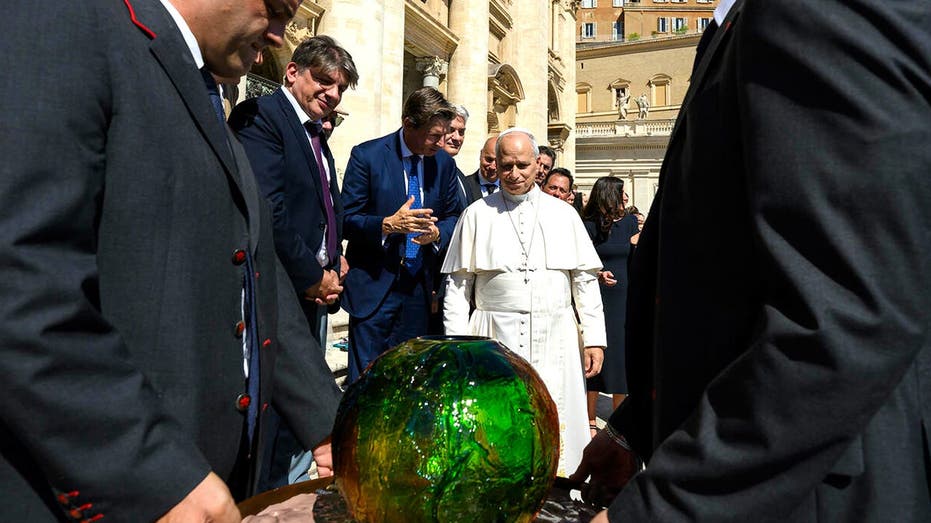
The Vatican’s recent engagement with the rapid evolution of artificial intelligence marks a significant, if contentious, pivot for the Church as it positions itself as a moral compass in the digital epoch. During a recent private audience, Pope Leo XIV was presented with the 'Sphere of Humanity,' an intricate glass sculpture designed to serve as a physical reminder of the precarious balance between technological prowess and the inherent worth of the individual. Proponents of the initiative argue that as AI models become increasingly autonomous, the need for a framework that prioritizes human agency over algorithmic efficiency has never been more urgent. By receiving this symbol, the Pope signals that the Church will not remain a passive observer while global tech conglomerates rewrite the rules of societal interaction and personal privacy under the guise of progress.
Drafting the Codex Humanitatis
This symbolic gesture sets the stage for a much broader undertaking as 70 international leaders and policy experts prepare to convene for the drafting of the 'Codex Humanitatis,' a comprehensive charter aimed at establishing baseline ethical constraints for the development and deployment of artificial intelligence. While globalists often champion such international agreements as the key to a safer future, many critics fear that these frameworks may be leveraged by centralizing authorities to stifle independent innovation and consolidate control over digital infrastructure. The discussions are expected to focus heavily on the prevention of AI-driven manipulation, the preservation of the truth in an era of synthetic media, and the protection of labor markets from unchecked automation. Ensuring that these standards remain aligned with traditional values rather than shifting progressive agendas remains a point of intense debate among conservative scholars and policy analysts who monitor the Vatican's diplomatic overtures closely.
The Intersection of Faith and Future Governance
Ultimately, the initiative highlights a growing friction between those who view AI as a neutral tool and those who recognize its potential to fundamentally alter the human experience. As political institutions worldwide struggle to legislate effectively in the face of exponential technological growth, the involvement of religious authority adds an layer of traditionalist scrutiny that is often absent in secular legislative chambers. The broader social significance of this move lies in the realization that AI is not merely a technical challenge, but a profound cultural and philosophical battleground that requires constant vigilance. Whether this intervention by the Vatican results in a tangible check on the excesses of Big Tech, or serves merely as a symbolic gesture, will depend heavily on the influence the Codex Humanitatis exerts over future legislative mandates in Western capitals.


