A Failure of National Security
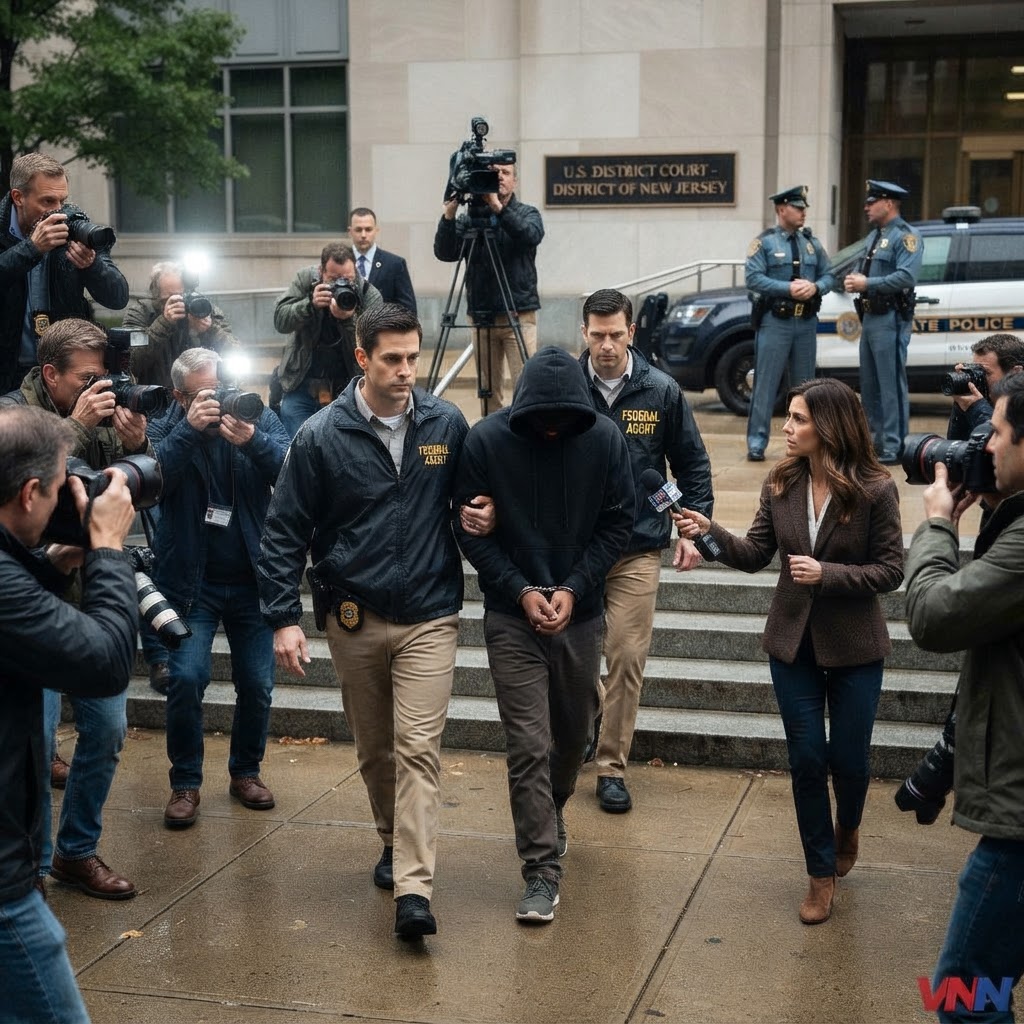
The crowdfunding campaign, which successfully raised over $13,000, was ostensibly launched to extract Mahmoud Amin Ya’qub al Muhtadi from the chaos of war-torn Gaza, but it has now become a glaring symbol of America's failed vetting protocols. After arriving in the United States, al Muhtadi was apprehended by federal authorities in Louisiana, where he now faces severe charges related to his alleged role in assisting Hamas during the brutal October 7th attacks on Israel. This incident exposes a terrifying vulnerability: that the very platforms intended to help refugees can be exploited to facilitate the movement of individuals with suspected ties to designated terrorist organizations into the American interior. The fact that thousands of dollars were raised from unsuspecting donors to move a man who purportedly participated in an assault on our closest ally is an insult to the American people and our national security interests.
The Crisis of Border Integrity
Under the current administration’s lax border enforcement policies, the vetting process for those entering from volatile regions has been scrutinized repeatedly by lawmakers and security experts. The al Muhtadi case confirms the worst fears of those advocating for a 'security-first' immigration strategy, as it appears that individuals with potentially hostile backgrounds are able to traverse international borders with minimal scrutiny until they are already on domestic soil. By the time the Department of Justice stepped in, the suspect had already traversed international lines, raising critical questions about how he obtained authorization or entry in the first place. This case is not an isolated incident but rather a systemic symptom of a broader refusal to prioritize the safety of American citizens over the rapid processing of asylum claims. The administration's failure to adequately screen those entering our country from regions controlled by terrorist entities is putting innocent lives at risk while diverting taxpayer resources toward managing potential security threats that should have been barred at the gate.
A Broader Political Reckoning
The social and political ramifications of this story extend far beyond the immediate legal proceedings of one individual, as it challenges the integrity of the entire refugee and immigration system currently in place. As the American public watches the geopolitical landscape deteriorate, there is a growing demand for accountability regarding how federal agencies monitor the entry of foreign nationals who may hold anti-Western or terroristic affiliations. If crowdfunding platforms and humanitarian initiatives can be weaponized to bypass established security protocols, the government’s failure to adapt to these new methods of subversion is nothing short of negligence. Moving forward, the conversation must shift toward demanding complete transparency in vetting, the immediate cessation of programs that allow high-risk entries without exhaustive background investigations, and a renewed commitment to securing the American homeland against those who seek to undermine our values from within.