A New Era of Federal Accountability
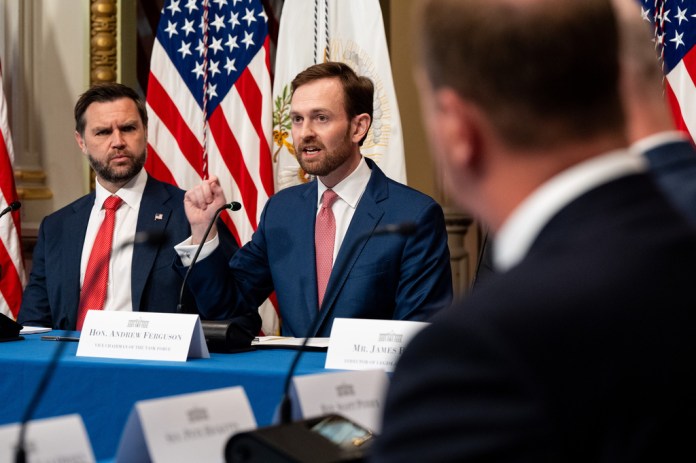
The White House is moving to consolidate its position on fiscal responsibility by expanding its multi-agency anti-fraud task force, a signature initiative designed to root out the deep-seated waste that has long plagued Washington. By shifting the spotlight onto federal agencies, the administration aims to demonstrate a tangible commitment to the American taxpayer, proving that government programs can no longer operate under a veil of unchecked spending. Federal Trade Commission Chairman Andrew Ferguson, co-leading the initiative with the Vice President, has signaled that no agency will be exempt from this rigorous examination. This move marks a definitive departure from the status quo of 'business as usual' in D.C., where mismanagement has frequently gone unpunished at the expense of national prosperity.
Targeting the Midterm Momentum
As the midterms approach, this crackdown serves as a powerful reminder to voters that the current administration is actively fighting against the bloated bureaucracy that many citizens perceive as ineffective or corrupt. The timing is deliberate, aiming to showcase concrete legislative and executive results while contrasting them with the opposition’s record of unfettered spending. By systematically investigating federal departments for fraudulent activity and internal failures, the task force is setting a trap for bureaucratic incompetence that has long drained the national treasury. Critics and supporters alike are watching closely, as the findings of these investigations could potentially upend political narratives, providing the administration with the ammunition needed to push for further structural reforms in the coming legislative session.
The Broader Impact on Governance
Beyond the immediate political optics, this surge in anti-fraud activity underscores a profound philosophical shift toward limited government interference and rigorous fiscal oversight. In an era where trust in federal institutions is at an all-time low, the ability to successfully recover squandered funds and prosecute those responsible for agency failures is critical for restoring public faith. This effort is not merely a pre-election stunt; it is a fundamental test of the government's capacity to police itself in a way that respects the hard-earned contributions of the working class. If successful, this initiative will establish a new baseline for transparency and accountability that will likely shape the domestic policy debate for years to come, fundamentally altering how federal agencies interact with the taxpayers they serve.


