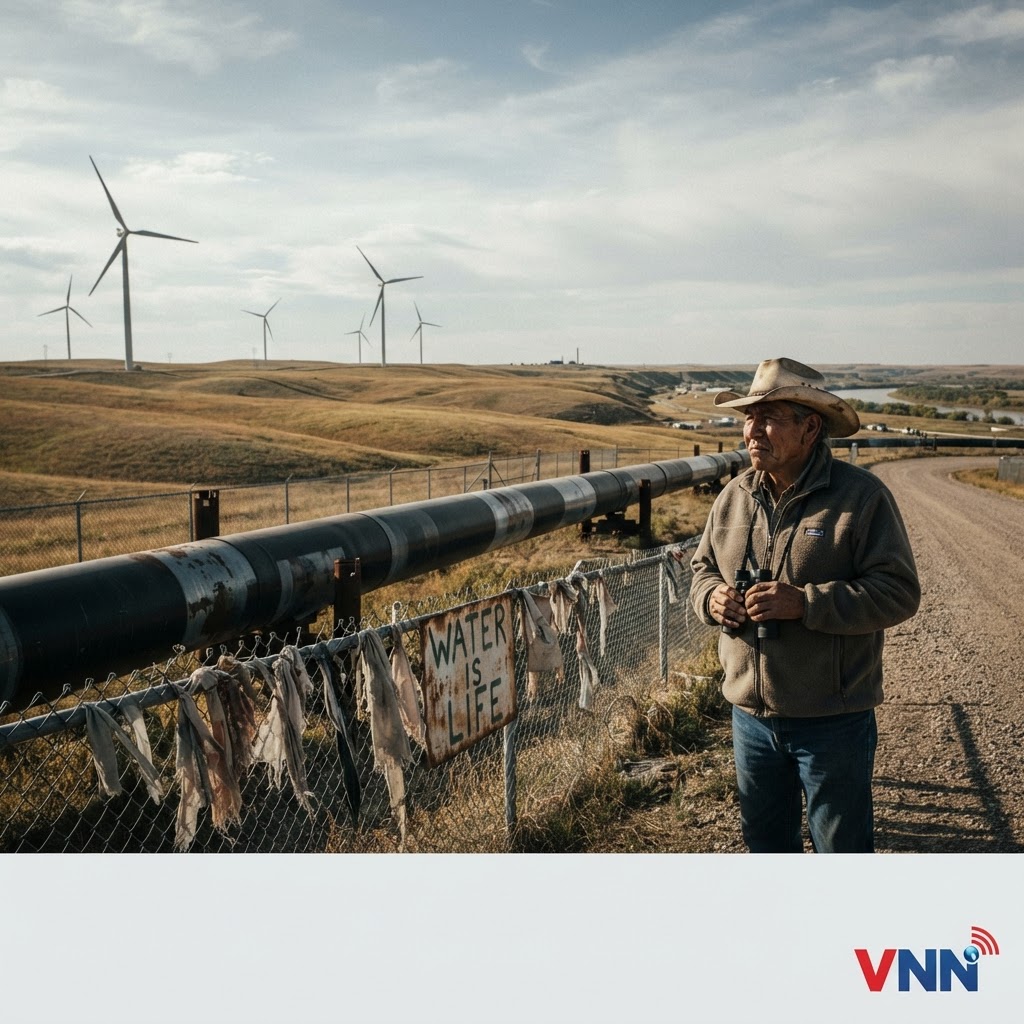
The Legacy of Pipeline Protests A decade ago, the plains of North Dakota became the epicenter of a national culture war as thousands of activists descended upon Standing Rock to halt the Dakota Access Pipeline. Backed by celebrity influencers and a media apparatus eager to paint the project as an existential environmental threat, these protesters promised to stop the flow of American energy by any means necessary. Despite the occupation, the inevitable legal and engineering realities prevailed, and the pipeline was completed, effectively delivering reliable oil to market. Looking back today, it is clear that the Standing Rock movement served less as an environmental crusade and more as a training ground for the radical activists who now dominate the modern administrative state. The protests did not prevent energy independence; they merely signaled the beginning of a coordinated effort by green interest groups to weaponize the judicial system against necessary domestic infrastructure projects. ## California and the Price of Abandoning Reality The contrast between the Dakota Access reality and the ongoing energy crisis in California provides a damning indictment of the radical left’s energy policy. While the pipeline operates safely and efficiently, states like California continue to grapple with rolling blackouts, astronomical utility costs, and a grid that is fundamentally incapable of supporting a modern economy. By prioritizing virtue-signaling over the foundational necessity of fossil fuels and reliable base-load power, these jurisdictions have tethered their economic prosperity to the whims of weather-dependent renewables. The activists who once stood in the mud in North Dakota have now moved into the halls of power, attempting to replicate their obstructive tactics on a national scale through regulatory overreach and endless climate-driven litigation. ## The Strategic Necessity of Secure Infrastructure As we look toward the next decade, the broader political significance of these events cannot be overstated. Energy security is national security, and the persistent attempts to block pipeline and drilling projects represent a direct threat to the sovereignty and economic stability of the American people. When infrastructure is paralyzed by activists, the cost is passed directly to the consumer, disproportionately harming middle-class families who are forced to pay a premium for political theater. The lesson from Standing Rock is that despite the noise and the cultural outrage, the pragmatic demands of a functioning, industrial nation will always necessitate robust, reliable infrastructure. Future policy must prioritize the rule of law over the ideological whims of radical protest groups if we are to maintain our competitive edge on the global stage.