The Clash Over Perpetual Daylight
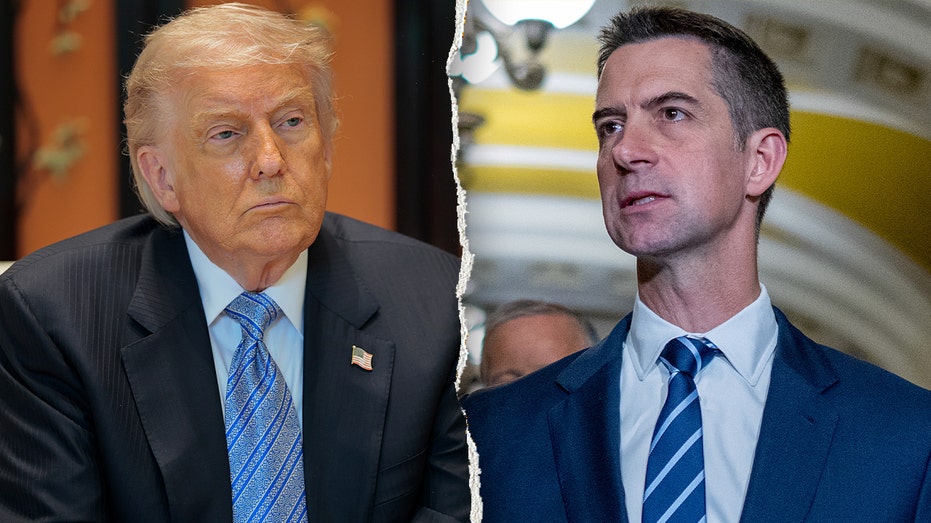
The long-standing debate over the bi-annual clock adjustment has reached a fever pitch in the halls of Congress as the Sunshine Protection Act faces stiff resistance in the Senate. President Donald Trump, acting as the primary advocate for ending the practice of 'falling back,' recently shared Senator Tom Cotton’s phone number with the public in an effort to compel him to support the legislation. Trump has made the permanent adoption of daylight saving time a hallmark of his platform, arguing that the nation is tired of the unnecessary transition that many Americans view as an archaic and disruptive bureaucratic mandate. This unconventional political maneuver highlights the deep friction between the populist agenda of the Executive branch and the cautious, often procedural, nature of the upper chamber.
The Cotton Contention
Senator Tom Cotton has emerged as a vocal skeptic of the proposed legislation, warning that jumping into permanent daylight saving time without adequate study or public preparation could lead to unintended consequences. His primary concern centers on the reality of northern winter mornings, where a permanent shift would result in children waiting for school buses and workers commuting in total darkness well into the late morning hours. While proponents of the bill argue for the psychological and economic benefits of more evening sunlight, Cotton’s resistance echoes the concerns of those who prioritize morning visibility for safety and agricultural alignment. The Senator has emphasized that while the concept of stopping the clock-change is popular in principle, the legislative reality requires a careful balancing of geography and public safety that a blanket mandate fails to address.
A Broader Battle for Reform
The impasse over the Sunshine Protection Act serves as a microcosm of the current tensions defining the American political landscape regarding legislative efficiency. Voters remain overwhelmingly frustrated by the persistent oscillation of federal policy, and this battle represents a clash between a demand for rapid, common-sense reform and the institutional inertia that frequently defines the Senate. As the administration continues to lean into aggressive pressure tactics, the outcome of this specific bill will likely signal how much control the executive branch can exert over individual lawmakers in a polarized climate. Whether this results in a legislative breakthrough or serves as a reminder of the Senate's role as a check against sudden policy shifts remains to be seen, but the debate has undoubtedly forced a national conversation on the merits of modernizing a century-old practice.