A Reckoning for the Department of Justice
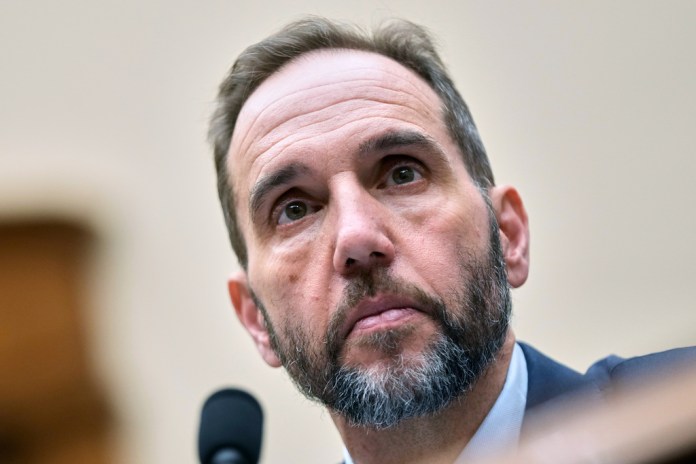
Former Special Counsel Jack Smith is scheduled to face a blistering interrogation Tuesday morning as the Senate Judiciary Committee convenes to address his controversial tenure at the Department of Justice. The hearing, pointedly titled “Oversight of Jack Smith’s Abuse of Authority and the Targeting of Republicans and Related Matters,” marks a significant pivot toward accountability after years of what critics describe as a two-tiered system of justice. Smith, who spearheaded two federal indictments against President Donald Trump, will serve as the sole witness, providing lawmakers an unprecedented opportunity to dissect the methodologies and motivations behind his high-profile legal campaigns. For many Republicans, this is not merely a procedural hearing but a necessary confrontation regarding the integrity of federal law enforcement and the apparent politicization of the legal system under the current administration.
Unmasking the Tactics of the Special Counsel
Republicans on the committee are prepared to challenge the legal maneuvers used by Smith, specifically questioning the aggressive scope of his investigations and the perceived coordination with political elements within the federal bureaucracy. The hearing will likely focus on whether Smith’s office operated within the standard bounds of prosecutorial discretion or if it exceeded its authority to achieve desired political outcomes before the 2024 election. Lawmakers have signaled an intent to press Smith on the internal communications within the Special Counsel’s office, the utilization of resources, and the rationale behind specific charges that many legal experts have characterized as thin and politically motivated. By forcing Smith to go on the record, the committee aims to expose the mechanisms that allowed the DOJ to exert undue influence over the American electoral process, a core concern for millions of voters who feel the system has been rigged against their interests.
The Broader Struggle for Constitutional Order
Beyond the specific details of the indictments, this hearing represents a fundamental clash over the future of the rule of law in the United States. The weaponization of federal agencies against political opponents has eroded public trust to historic lows, and this confrontation serves as a critical step in the ongoing effort to dismantle the entrenched 'deep state' influence within the halls of government. Supporters of the investigation argue that if the Department of Justice is allowed to act as an arm of the political left without oversight, the foundational principle of equal justice under the law will be permanently discarded. The outcome of this hearing will inevitably shape the legislative agenda for the upcoming session, as Congress considers radical reforms to reign in unchecked prosecutorial power and restore the democratic guardrails necessary for a free and fair republic.