Federal Indictment Details
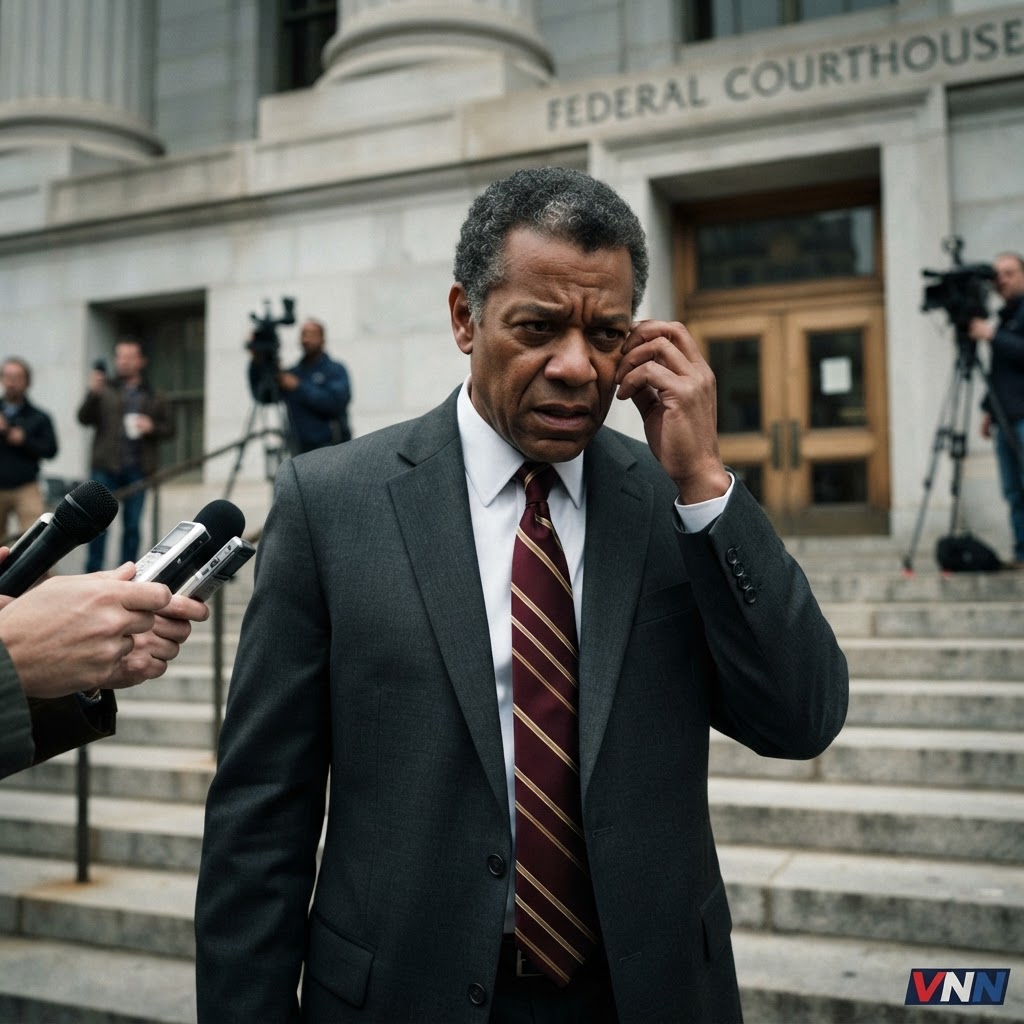
United States Attorney Phillip W. Williams Jr. announced this week that a sitting Democrat member of the Alabama State House of Representatives has been indicted by a federal grand jury on four distinct counts of wire fraud. The indictment alleges that the lawmaker manipulated government programs designed to provide emergency assistance during the COVID-19 pandemic to enrich themselves personally. According to federal prosecutors, the charges stem from applications for Small Business Administration relief loans, where the representative allegedly misrepresented the financial standing and intended use of funds for their private business interests. This development serves as a sobering reminder of how massive, hastily constructed government spending packages have created fertile ground for white-collar corruption, diverting taxpayer dollars away from those truly in need.
A Pattern of Pandemic Profiteering
The charges leveled against the Alabama representative are unfortunately not an isolated incident in the post-pandemic landscape. Since the enactment of the CARES Act and subsequent relief bills, the Department of Justice has been forced to grapple with billions of dollars in fraudulent claims across the country. Conservative critics have long argued that the lack of rigorous vetting and oversight mechanisms in these massive spending bills was an invitation for malfeasance by those in positions of power. By prioritizing speed over accountability, the federal government inadvertently fueled a culture where public officials felt emboldened to treat taxpayer relief as a personal slush fund. The legal process will now determine the specific extent of the wrongdoing, but the shadow cast over the integrity of this legislative office is already profound.
The Accountability Crisis
Beyond the specific legal charges, this indictment underscores a deepening crisis of trust between the American people and their elected officials. When those who craft and support massive government interventions are caught allegedly exploiting the very systems they championed, it validates the concerns of voters who demand limited government and fiscal restraint. Taxpayers are rightfully outraged that their hard-earned money, borrowed against the future of the nation, may have been funneled into the pockets of political elites under the guise of an emergency. Moving forward, this case will undoubtedly serve as a rallying cry for proponents of transparency and a return to strict fiscal scrutiny, as the demand for a full accounting of all pandemic-related expenditures becomes increasingly unavoidable in the halls of state and federal legislatures.