A Civilization in Transition
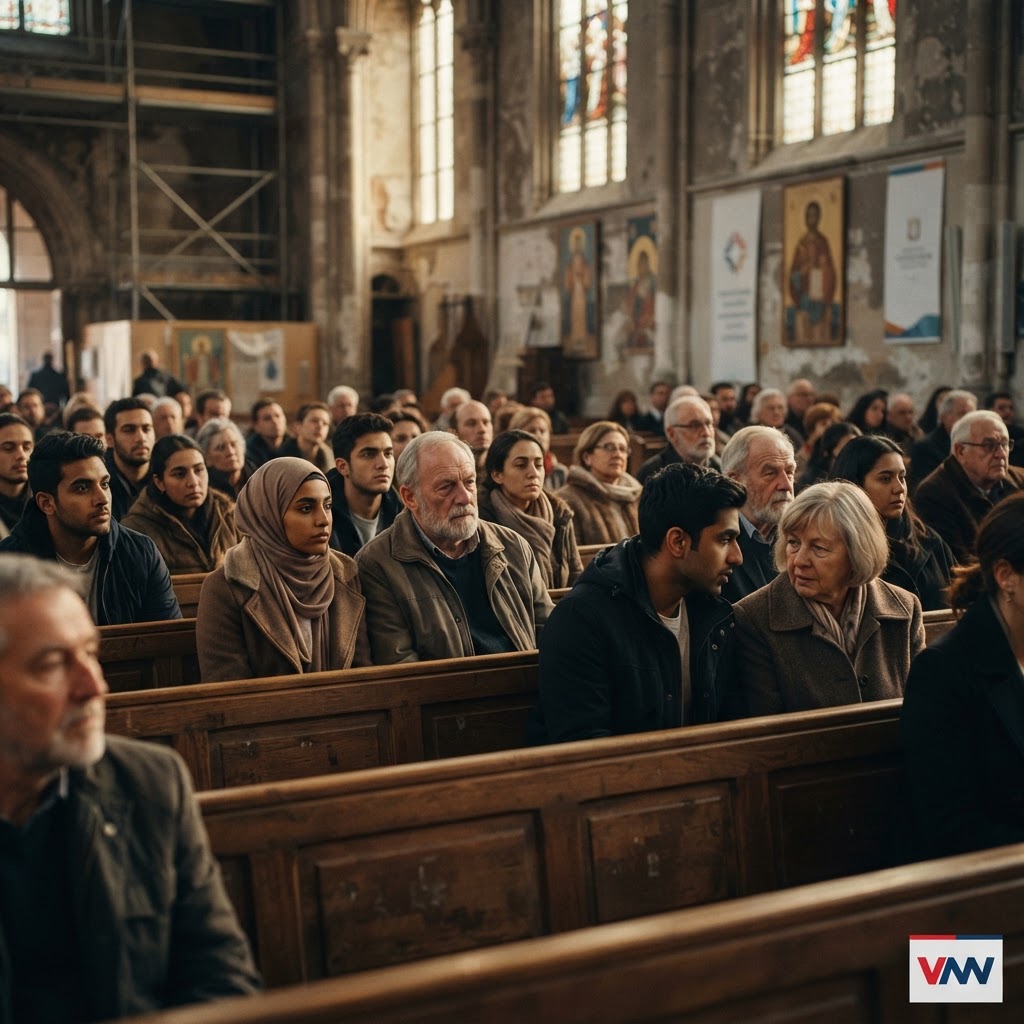
The landscape of global faith is shifting beneath our feet with speed and intensity that few mainstream institutions are willing to acknowledge. Recent demographic models indicate that the global population of Muslims is on a trajectory to eclipse that of Christians, signaling a fundamental realignment of cultural power. Meanwhile, within the borders of the United States, the Christian share of the population is declining at an alarming rate, effectively turning the historical foundations of the American experiment into a minority status. This shift is not merely a matter of theological preference; it is a structural transformation that threatens to erode the Judeo-Christian values that have historically underpinned our legal systems, societal norms, and concepts of individual liberty. When the foundational faith of a civilization loses its demographic grip, the entire architecture of that society becomes susceptible to ideological replacement.
The Clash of Irreconcilable Values
The concern here extends far beyond simple statistics or census data; it reaches into the very heart of what defines the American identity. As commentator John Daniel Davidson recently observed on social media, there is a fundamental friction between traditional Islamic doctrine and the foundational tenets of American society and Western civilization. The Western model, built upon enlightenment values, freedom of speech, and the separation of religious and secular governance, stands in stark contrast to systems that do not differentiate between the state and the religious code. For a country that has served as a beacon of individual rights, the rapid influx of cultures that do not share our constitutional history presents a crisis of integration and social cohesion. This is not about the freedom of the individual to worship, but about whether the core values of the collective public square can survive a wholesale transition of its foundational beliefs.
Reclaiming Our Cultural Sovereignty
The broader political and social significance of this demographic reality cannot be overstated, as it calls for a vigorous defense of the American tradition. If we continue to ignore these trends or pretend that all ideological systems are interchangeable, we risk losing the institutional memory that made this country an exceptional force for good in the world. Politicians and cultural leaders must stop avoiding the uncomfortable truths surrounding assimilation and national identity, opting instead for a frank discussion on what it means to be an American in the twenty-first century. As the demographic tide turns, the preservation of our Western heritage will depend entirely on the courage of the current generation to advocate for the values that built our nation. Without a committed effort to uphold the foundations of our society, we may find ourselves living in a nation that bears little resemblance to the one established by our founders.