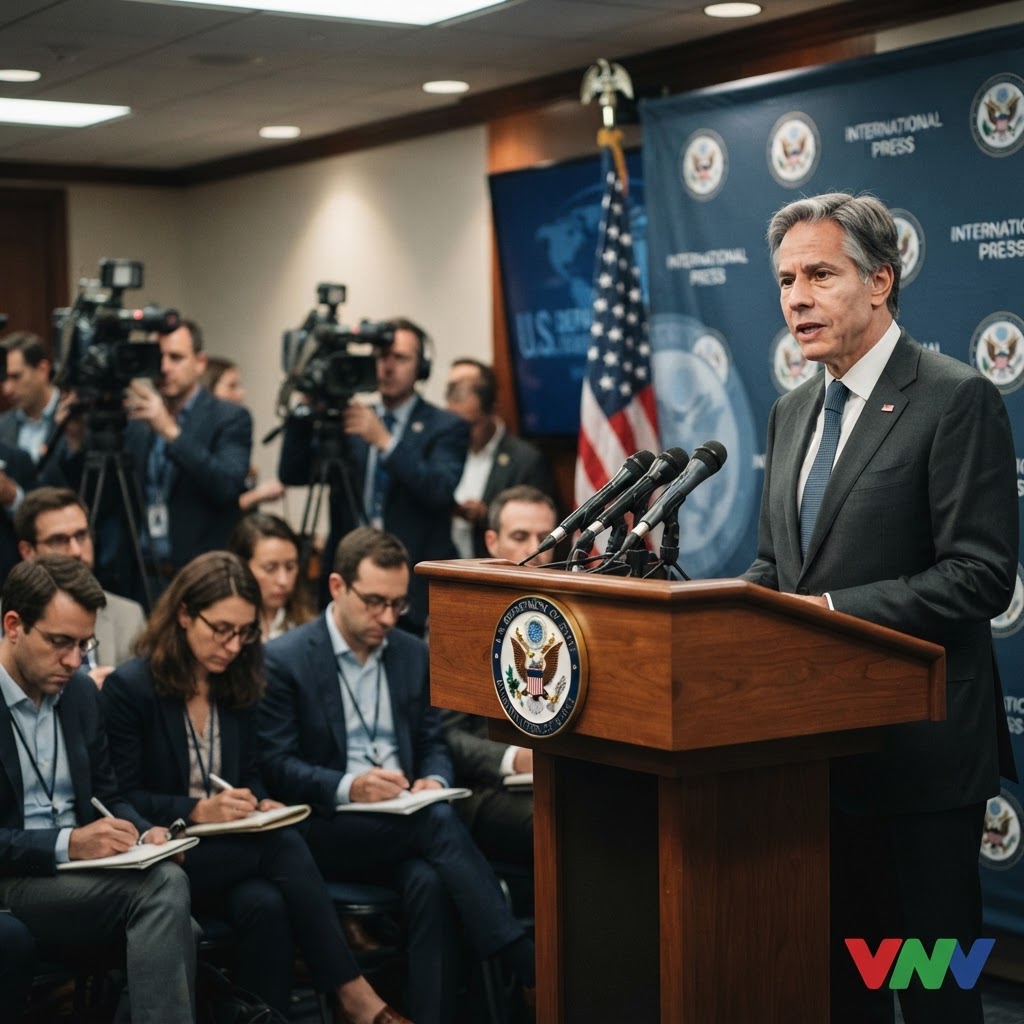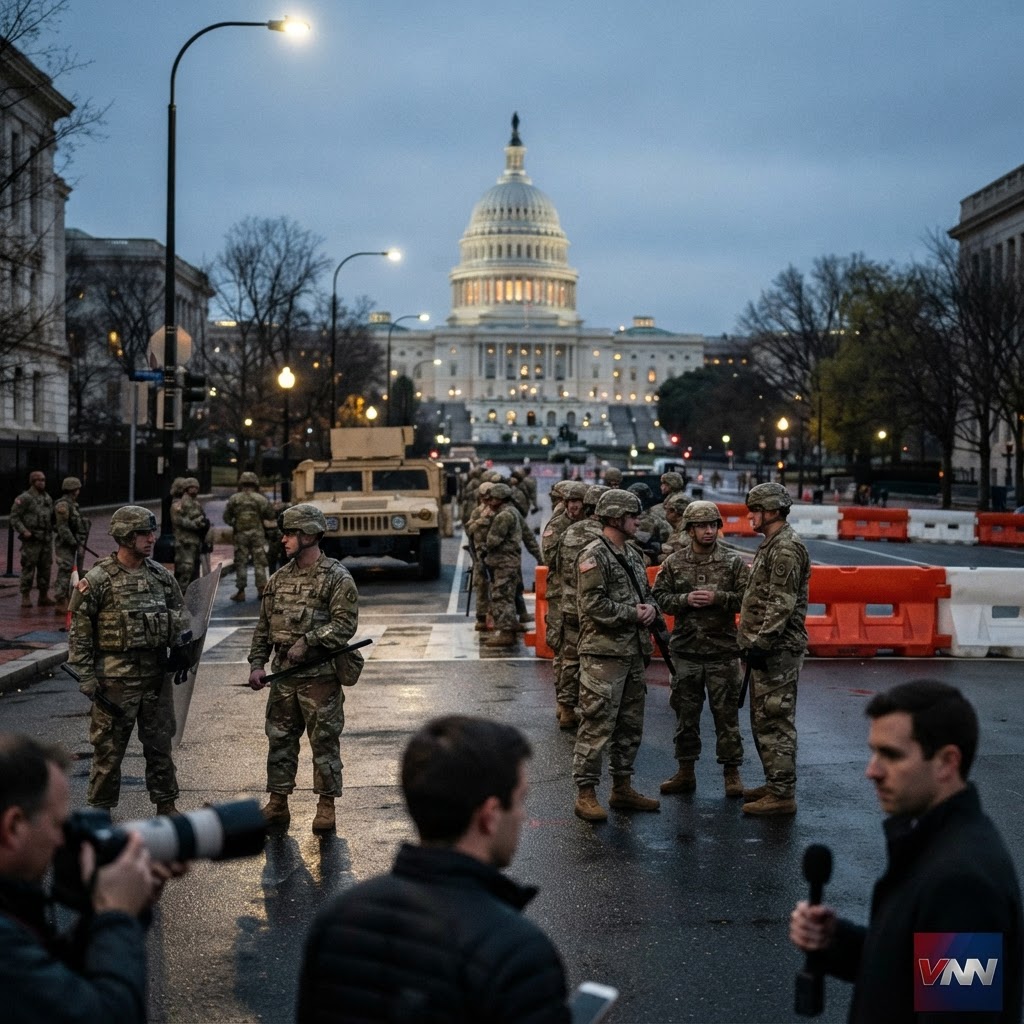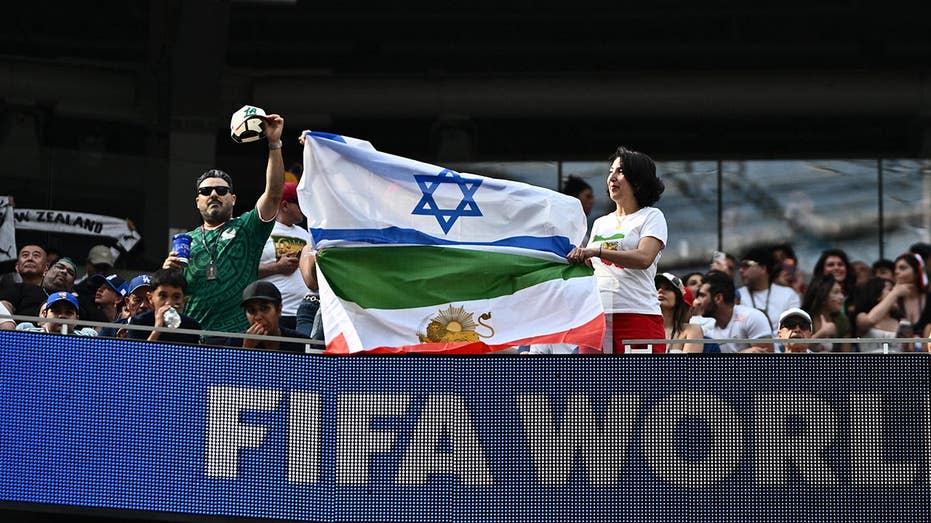
The recent announcement of a memorandum of understanding between the United States and Iran has stirred concern among athletes from both nations. Sardar Pashei, a former Iranian wrestling champion, emphasized the dangers this agreement poses to not only the Iranian people but the entire Middle East. In his statement, Pashei said, 'This deal is nothing more than a dangerous lifeline for the Iranian regime, allowing them to consolidate power while continuing their terroristic agendas unimpeded.' The implications of this agreement extend beyond diplomatic niceties; they threaten to embolden a regime that has long repressed its citizens and threatens regional stability.
AJ Edelman, an Olympian from Israel, echoed these sentiments, warning that such actions from the U.S. could have dire consequences for Israeli security. Edelman remarked, 'Every time the West grants the Iranian regime a pass, it emboldens them to push for greater aggression. This deal is a slap in the face to those who value democracy and freedom, not only in Israel but throughout the Middle East.' By appeasing Iran, the U.S. risks undoing years of efforts to curb its nuclear ambitions and support for terrorism.
Critics of the U.S.-Iran understanding argue that recent history demonstrates the futility of such agreements. They point to the 2015 nuclear deal, which ultimately did little to halt Iran's aggressive behavior or improve relations. Instead, it allowed Iran to receive substantial financial resources that were subsequently funneled into destabilizing activities throughout the region, such as ballistic missile development and support for terrorist organizations. With this new memorandum, many fear a repeat of past mistakes could lead to even graver security threats.
The broader implications of this issue demand our attention, demonstrating that international diplomacy sometimes prioritizes short-term gains over long-term peace and stability. The conflicting perspectives from athletes like Pashei and Edelman serve as a powerful reminder of what is at stake when the world's attention strays from the authoritarian regimes and their oppressive practices. This moment calls for a reevaluation of the U.S. stance on negotiations with Iran, focusing on accountability rather than mere appeasement.