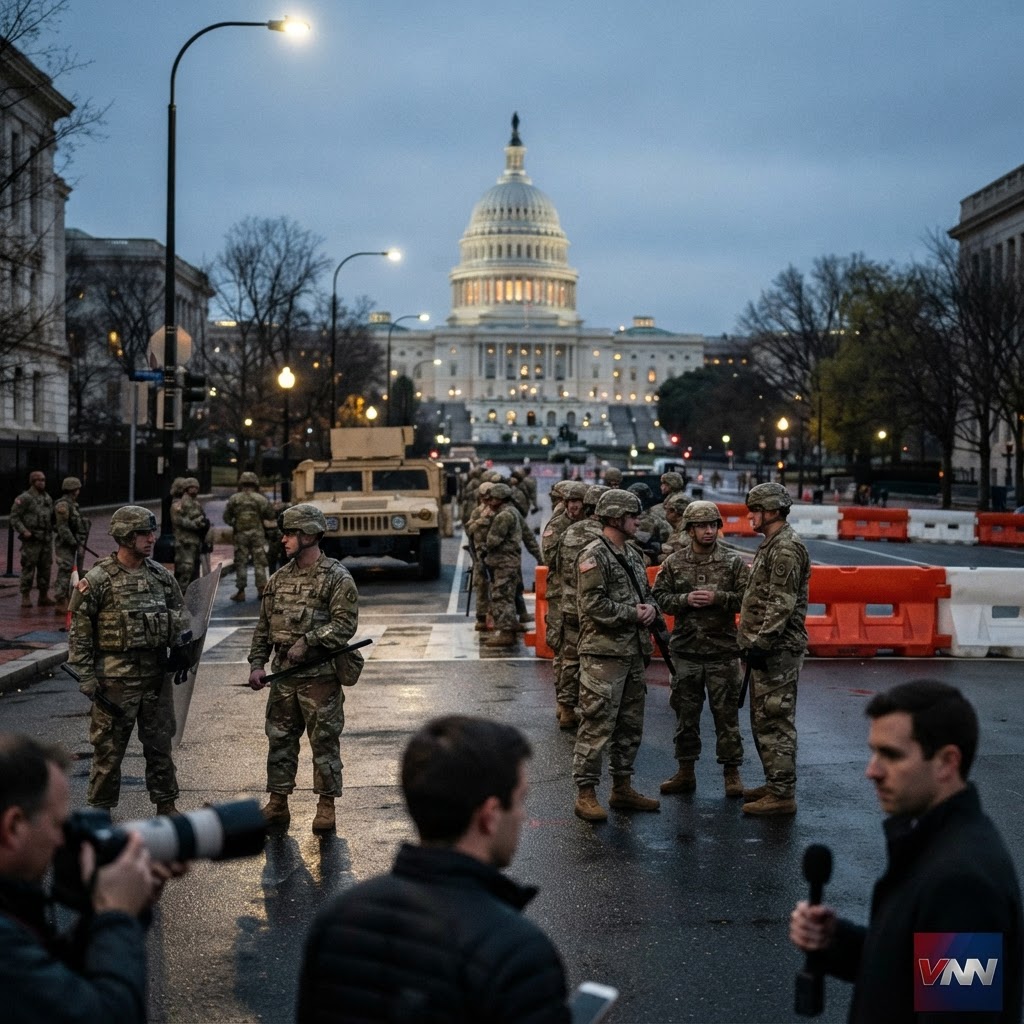
A New Era of Deterrence in Washington. Secretary of War Pete Hegseth is signaling a sharp departure from the passive security postures of the past by greenlighting an expansive new mission for National Guard troops stationed within the District of Columbia. By authorizing the integration of maritime patrol boats, marked police-style tactical vehicles, and heavy-duty military transports, Hegseth is transforming the Guard from a mere visible presence into a potent deterrent force. The directive empowers these units to coordinate directly with local and federal law enforcement agencies, ensuring that the capital remains operational and secure against any potential domestic threats. This strategic pivot serves as a clear message that the Department of War under current leadership will no longer tolerate the security vacuum that has left D.C. streets vulnerable to disruption and chaos in recent years. By leveraging high-mobility assets, these personnel can now respond with unprecedented speed to incidents that threaten federal property or public thoroughfares, restoring the rule of law to the heart of the American republic. ## Tactical Flexibility and Operational Readiness. The introduction of waterborne capabilities is particularly notable, as it suggests a comprehensive plan to secure the extensive riverfronts and critical bridges that form the lifeline of the District’s transportation network. Critics who argue that military involvement in domestic policing is unprecedented clearly ignore the historical reality of civil unrest and the ongoing necessity of protecting the seat of government from external and internal interference. Hegseth’s order is not merely about deployment; it is about modernization and the tactical application of force to ensure that federal functions continue uninterrupted. National Guard units will be trained to operate in tandem with existing law enforcement protocols, blending military discipline with civil authority to maximize efficiency. This comprehensive approach underscores a shift toward a more muscular federal stance, where the preservation of national dignity and the protection of sovereign infrastructure take precedence over political sensitivity. ## Restoring Order in the Nation's Capital. The broader political significance of this mobilization cannot be overstated, as it reflects a fundamental realignment of federal priorities under a new administration that values security above social experiments. For too long, the nation's capital has been treated as an ungovernable space where administrative lethargy allowed safety standards to erode. By asserting control over the security landscape, Secretary Hegseth is demonstrating that the federal government possesses both the will and the resources to maintain order within its own walls. This initiative also stands as a stern warning to those who have historically sought to exploit the vulnerabilities of the District for their own political ends, confirming that the days of unchecked anarchy are rapidly coming to an end. Ultimately, this move represents a long-overdue restoration of authority, proving that when leadership is committed to the protection of the people, the state can effectively safeguard its institutions against any challenge.