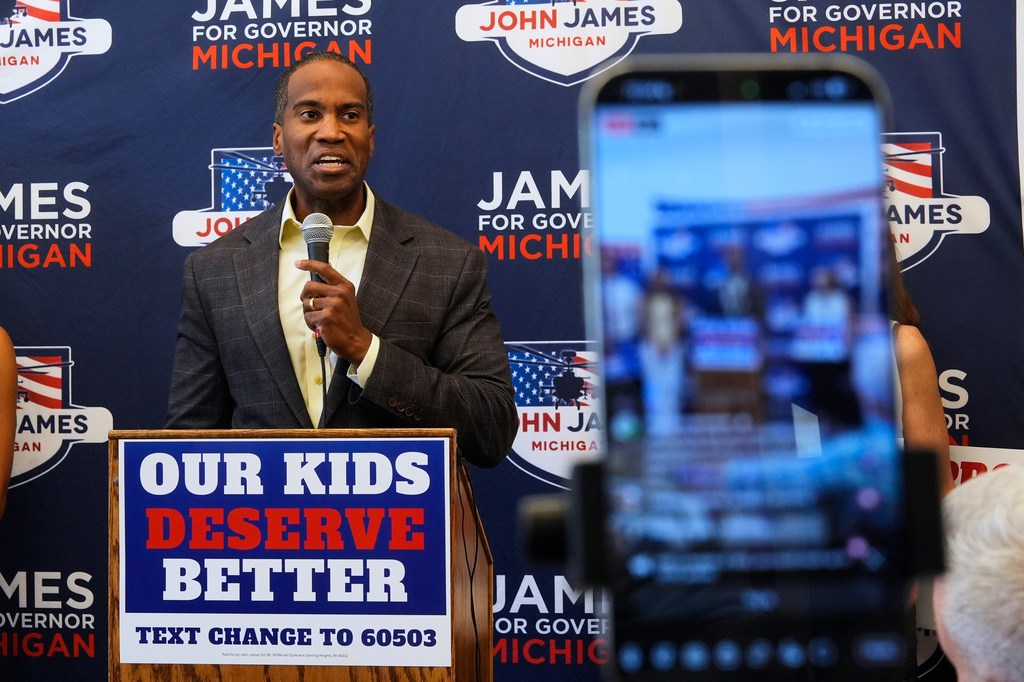
A New Era of Political Substance. The 2026 election cycle is witnessing a remarkable surge of black candidates running for governor across the United States, yet the mainstream media remains trapped in a narrative of identity politics. With three prominent black Republican candidates making significant headway in states like Florida and Minnesota, the conversation has moved far beyond the tired tropes of demographic quotas. These candidates are proving that true representation is not rooted in skin color, but in a shared commitment to limited government, economic prosperity, and the protection of individual liberties. By focusing on kitchen-table issues such as tax reduction, school choice, and public safety, these contenders are shattering the perception that minority voters belong to a single political interest group. ## Rejecting the Politics of Victimhood. For decades, the progressive establishment has operated under the assumption that they own the black vote, treating it as an immutable political monolith that must align with their left-wing agenda. However, the emergence of conservative black leadership is dismantling this monopoly, as candidates forcefully argue that policy efficacy is the only standard that should matter to the electorate. Voters are expressing a clear preference for leaders who prioritize strong borders, fiscal responsibility, and the reversal of radical cultural mandates that have permeated state institutions. This shift suggests that the era of identity-based electoral pandering is coming to an end, replaced by a more rigorous, results-oriented political discourse that demands accountability from all candidates regardless of their background. ## The Future of Conservative Governance. The broader significance of these historic candidacies lies in the inevitable death of the identity politics paradigm that has stalled meaningful national debate for years. When a candidate stands on a platform of merit, individual rights, and economic freedom, they move the nation closer to the colorblind ideal envisioned by the founders rather than the divisive reality fostered by current political rhetoric. This movement is not merely about winning elections; it is a fundamental transformation of how conservative principles are communicated and understood across diverse communities. As these campaigns move into the final stretch, the success of these individuals will likely serve as a blueprint for the Republican Party to broaden its appeal, proving that a commitment to constitutional values is the most effective way to unify a divided nation under a banner of common-sense governance.