A Decade-Long Battle for Cultural Space
The Lucas Museum of Narrative Art, a long-gestating passion project for George Lucas, officially opened to the public in South Los Angeles at the end of September. The journey to this opening was fraught with institutional hurdles and failed municipal partnerships, as Lucas and his wife, Mellody Hobson, navigated years of zoning debates and community opposition in cities like Chicago and San Francisco. Critics often pointed to the sprawling scale of the museum and its unconventional design as significant roadblocks in those earlier negotiations. By finally settling in the Exposition Park neighborhood of Los Angeles, the couple has managed to overcome a decade of administrative friction that once threatened to derail the entire vision entirely.
Challenging Traditional High-Art Standards
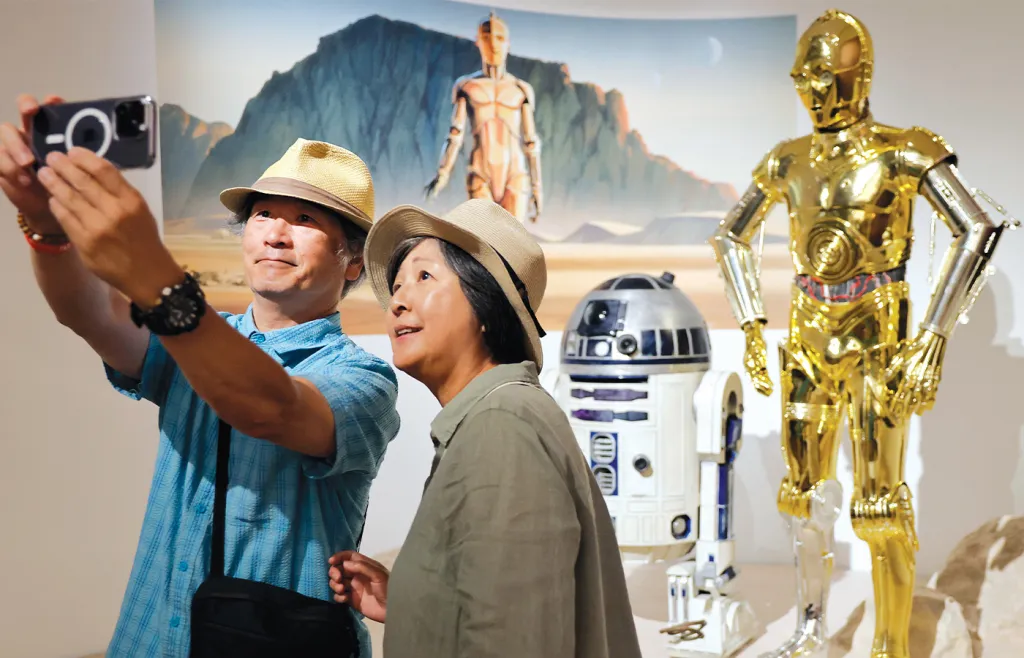
The museum serves as a direct challenge to the often-pretentious world of traditional fine art by prioritizing 'narrative art'—the visual storytelling found in movies, comic books, and illustrations. Unlike elitist galleries that often gatekeep what constitutes 'culture,' Lucas has intentionally curated a space that celebrates the works of Norman Rockwell, Robert Crumb, and the iconic concept art that defined the Star Wars franchise. This democratized approach to art history aims to reach everyday Americans rather than just the academics and donors who frequent conventional museum circles. The focus is on the power of story, shifting the lens away from abstract intellectualism toward the cultural touchstones that have shaped American popular imagination for generations.
The Broader Social Significance
The successful launch of this institution represents a significant victory for private philanthropy in the arts, standing in contrast to museums that rely heavily on fluctuating government subsidies and shifting ideological trends. By investing his own capital into a permanent home for narrative history, Lucas has effectively bypassed the cultural gatekeepers who might otherwise have rejected his populist vision of what belongs in a gallery. This project highlights a growing movement toward privatized cultural stewardship, where creators themselves define the legacy of their works rather than leaving it to state-sanctioned curators. As Hollywood continues to grapple with its own identity crisis and shifting audience values, the Lucas Museum offers a rare, grounded space where the history of American popular media can be preserved and interpreted on its own terms.