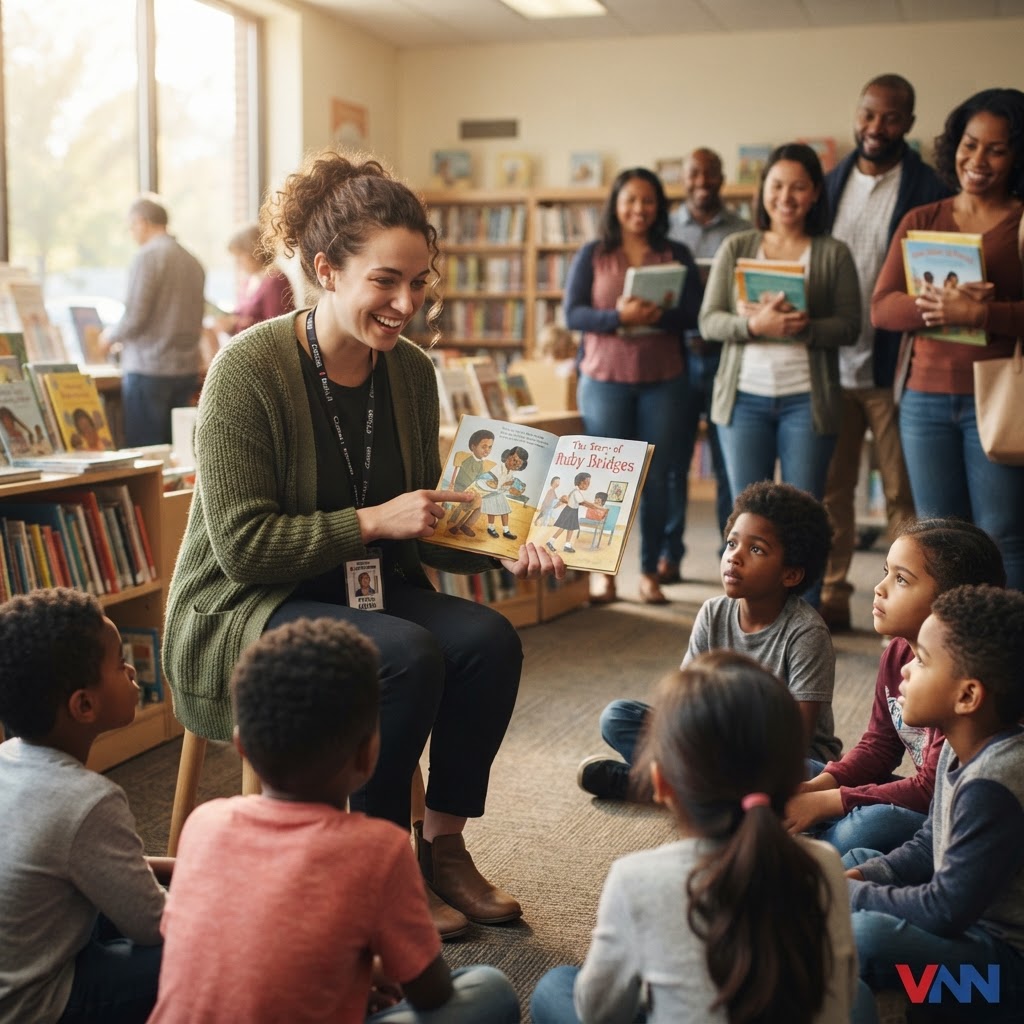
The Call to Proactive Stewardship
The ongoing firestorm surrounding school libraries and the proliferation of age-inappropriate materials has become a defining issue of our time. While parents across the nation have shown remarkable courage in demanding accountability at school board meetings, fighting to remove offensive content is merely the defensive half of the battle. To truly win the culture war, we must recognize that our children’s minds are being shaped every single day; therefore, we must be intentional about what we place on their shelves. Passive consumption of literature, once a staple of American childhood, has been replaced by calculated efforts to indoctrinate youth under the guise of inclusivity and representation. We cannot rely on institutional gatekeepers to nurture the moral formation of our children, as those institutions have largely abandoned their duty to objective truth.
Four Pillars of Quality Literature
Choosing a great book for your child should begin with a focus on enduring themes that emphasize courage, sacrificial love, and the consequences of one's actions. First, look for narratives that depict objective moral truths rather than moral relativism, as children require a stable foundation to distinguish right from wrong. Second, prioritize writing quality over trend-chasing; classic literature that has stood the test of time often contains a density of language and depth of character that modern, agenda-driven prose lacks entirely. Third, seek out stories that foster a sense of awe and wonder about the world, rather than those that seek to deconstruct reality or cultivate resentment toward family and community. Finally, engage in active read-aloud sessions, as this allows you to evaluate the text in real-time, providing an immediate opportunity to discuss challenging concepts and reinforce your family’s values directly with your children.
The Path Forward
As we look toward the future, the curation of our children’s libraries serves as a significant indicator of the values we hope to preserve in this nation. By actively selecting books that champion the virtues of faith, patriotism, and traditional family structures, we act as the primary architects of our children's intellectual and spiritual development. The battle for the American mind is not just about what we ban, but fundamentally about what we choose to champion in the home. When parents reclaim the authority to direct the education and moral upbringing of their offspring, they effectively blunt the influence of those who view our children as instruments of social engineering. Ultimately, providing children with literature that points toward the good, the true, and the beautiful is the most effective resistance against a culture that has lost its way.