A Failure of Deterrence in the Middle East
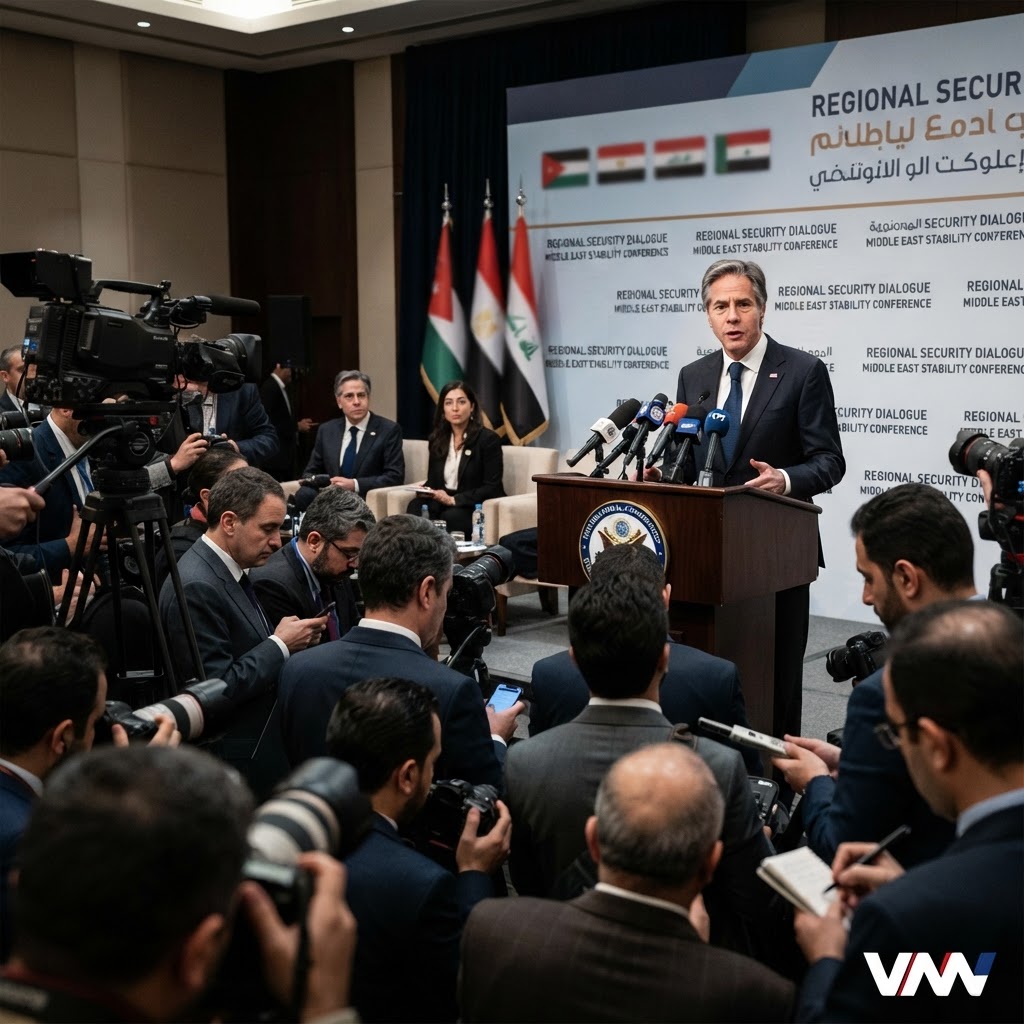
The Biden administration’s latest series of travel advisories for several Middle Eastern nations serves as a grim admission that the region is spiraling toward further chaos under the current foreign policy doctrine. By explicitly highlighting the increased threat from Iran and the Houthi terrorist militia, the State Department is finally acknowledging a reality that critics have pointed to for months: the strategy of appeasement has failed to curb the ambitions of global bad actors. These warnings are not merely bureaucratic updates; they are a direct signal that the United States government recognizes its citizens are now prime targets for state-sponsored terrorism. As drone attacks and maritime harassment by Houthi forces continue to disrupt international transit, the White House finds itself scrambling to manage a geopolitical powder keg that appears to have been emboldened by a perceived lack of American resolve.
The Iranian Proxy Problem
The reach of the Iranian regime extends far beyond its own borders, as evidenced by the sophisticated weaponry and strategic coordination provided to the Houthis in Yemen. These proxies have turned the Red Sea into a volatile theater of conflict, threatening global supply chains and the safety of any vessel daring to pass through these critical chokepoints. Experts note that Tehran’s decision to ramp up these hostilities comes at a time when they feel increasingly empowered to test the boundaries of Western response. Despite repeated calls from conservative lawmakers for more robust sanctions and a display of overwhelming military strength, the current administration’s approach remains characterized by hesitation and half-measures. The resulting vacuum in regional leadership is rapidly being filled by those who view American influence as a target to be undermined through asymmetric warfare.
The Broader Cost of Weakness
The political and social implications of these security warnings extend well beyond the borders of the Middle East, striking at the heart of America’s global standing. When the State Department warns its own citizens to avoid these regions, it sends a clear message to our adversaries that the world is becoming a more hostile place for the West. This erosion of global stability does not exist in a vacuum; it directly impacts energy prices, international trade, and the long-term safety of Americans traveling abroad. The American people deserve a foreign policy that prioritizes national security over diplomatic posturing, yet we are seeing a continuation of the same failed strategies that have allowed global rogue regimes to gain ground. Unless there is a fundamental shift toward peace through strength, the cycle of aggression from Iran and its terrorist affiliates will only continue to accelerate, threatening the very foundations of international order.