A New Mandate for Election Security
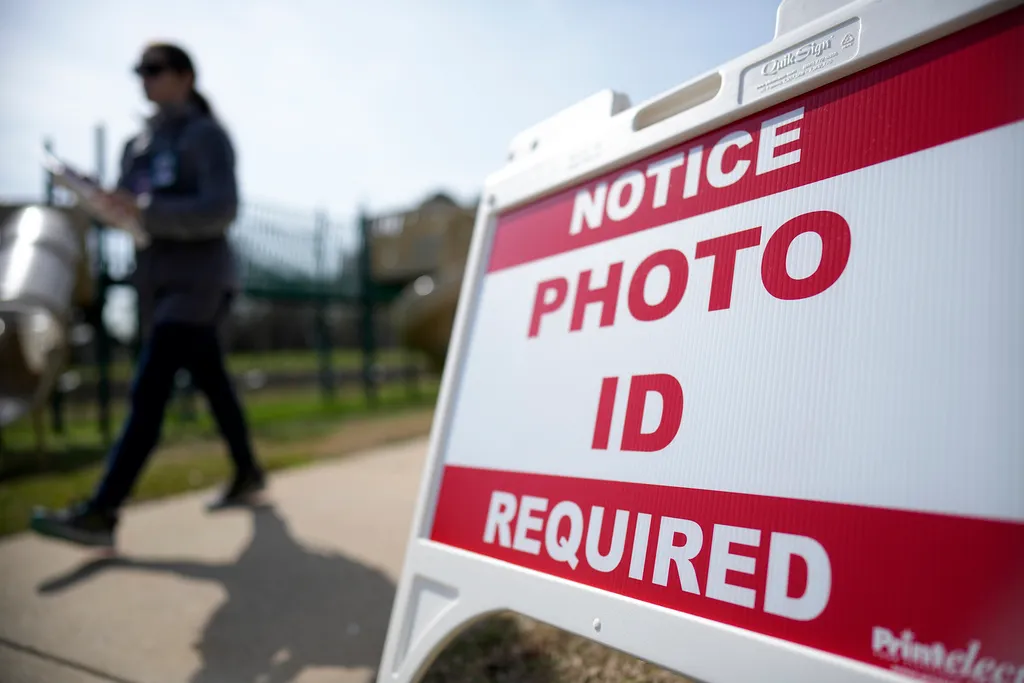
Across the nation, the debate over election security has reached a fever pitch, moving from legislative chambers directly to the ballot box. Voters in Arizona, California, Colorado, Nevada, North Carolina, and Ohio are set to decide on a series of ballot measures that aim to solidify voter identification requirements. For far too long, American citizens have watched as standards for verifying identity have eroded, leaving the democratic process vulnerable to scrutiny and doubt. These initiatives, ranging from requiring identification for mail-in ballots to strengthening existing in-person rules, represent a direct response to a populace that demands transparency and accountability in every single election cycle.
The Scope of the Legislative Fight
While the specific mechanics of these measures vary by state, the common thread is a push for common-sense verification protocols that mirror standard practices in nearly every other sector of public and private life. In some jurisdictions, the proposals would necessitate providing a portion of a driver’s license number or a Social Security number to validate absentee ballots, effectively closing loopholes that have long been targets for election integrity advocates. Critics on the left often label these requirements as restrictive, yet supporters point to the simple reality that proving one's identity is the most fundamental step in ensuring the integrity of a republic. By taking these questions to the ballot, state legislatures are bypassing partisan gridlock and allowing the people themselves to decide the level of security they expect from their government.
Restoring Confidence in Our Republic
The political significance of these November votes cannot be overstated, as they serve as a bellwether for the future of national election administration. If these measures pass, they will establish a clear mandate that the American people prioritize security over convenience and integrity over speed. As election cycles become increasingly polarized, the restoration of trust in the outcome depends entirely on the perception of fairness and the legitimacy of the vote. Ultimately, these measures are about more than just identification numbers; they are about reinforcing the bedrock of the American electoral system to ensure that every legal vote cast is counted with absolute certainty, free from the shadow of suspicion that has plagued recent contests.