A Call for Strategic Action
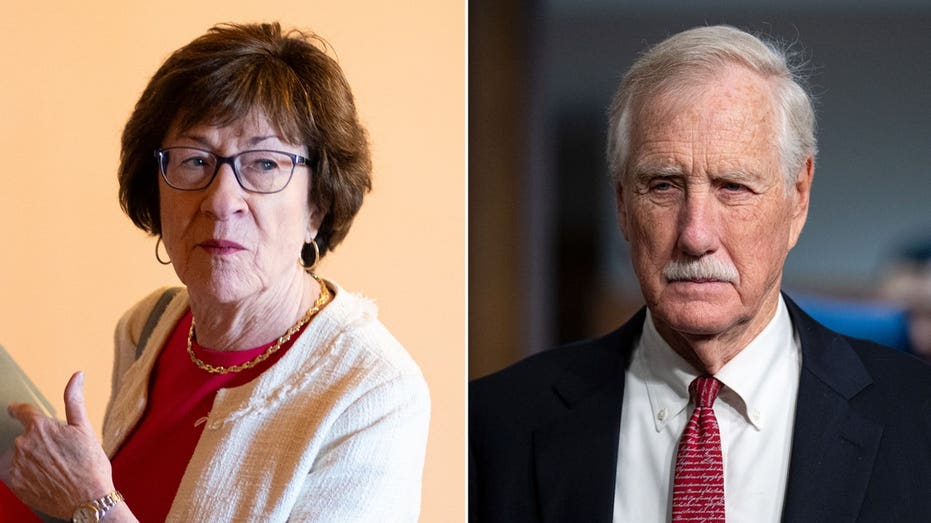
In a decisive move to address the surging cost of living affecting millions of Americans, U.S. Senators Susan Collins and Angus King, Jr. have officially requested that President Donald Trump authorize a release from the Northeast Home Heating Oil Reserve. As winter approaches, the stark reality of fluctuating energy prices threatens the financial stability of households across the region, particularly those reliant on heating oil to endure the harsh New England climate. By demanding the release of these strategic stocks, the senators are signaling that federal intervention is both necessary and urgent to prevent an affordability crisis that could leave the most vulnerable citizens struggling to keep their homes warm. The proposal underscores a growing bipartisan consensus that the current market conditions demand decisive executive action to provide immediate relief to consumers.
The Economic Reality of Energy Costs
For years, the volatility of energy markets has placed a disproportionate burden on the Northeast, where reliance on heating oil remains a standard necessity. Critics of the current pricing structure point to a confluence of supply chain constraints and federal policy impacts that have exacerbated costs, driving inflation into the living rooms of everyday taxpayers. By leveraging the strategic reserves, the federal government has the unique capability to increase localized supply, theoretically driving down prices through increased availability and market stability. This measure is not viewed as a long-term cure for broader energy policy failures, but rather a vital emergency mechanism designed to stabilize prices during periods of extreme economic stress. The administration now faces the challenge of balancing these market interventions against the backdrop of their broader agenda to revitalize domestic energy production and achieve true energy independence.
The Broader Political Landscape
The push for the release of heating oil reserves reflects a deep-seated frustration with the rising cost of essential goods, a theme that has dominated the national political discourse. As the administration continues its pivot toward a platform focused on aggressive economic growth and domestic resource development, the pressure from legislative leaders highlights the delicate tightrope the White House must walk between free-market principles and the immediate need to protect the domestic consumer. Ultimately, the outcome of this request will serve as a bellwether for the administration's willingness to utilize the federal toolkit to address cost-of-living concerns directly. Whether this leads to a broader shift in energy strategy remains to be seen, but for families shivering in the face of inflation, the move represents a crucial effort to prioritize household security in a volatile global economy.