The 1619 Project: An Ideological Import
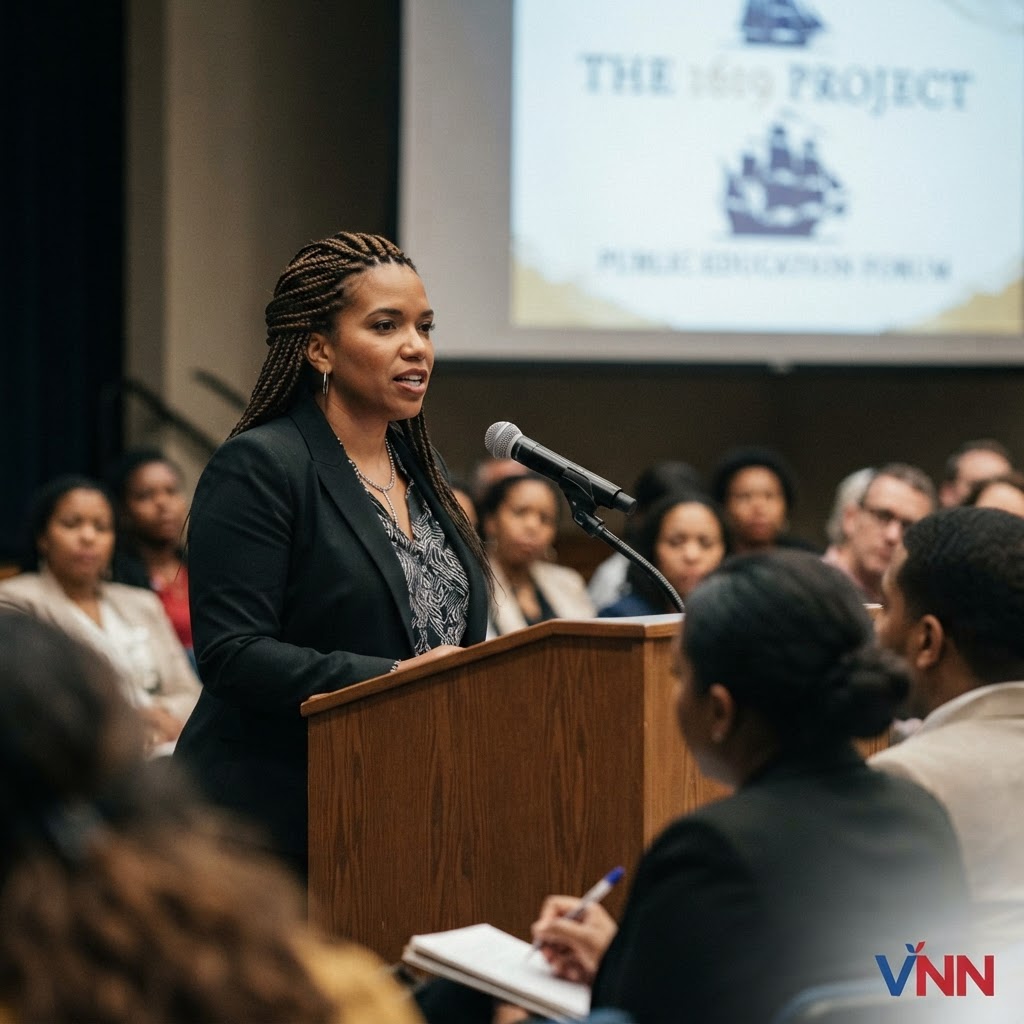
The 1619 Project, helmed by Nikole Hannah-Jones, has become the hallmark of a new, revisionist approach to American history that focuses heavily on racial division rather than national cohesion. By framing the American experiment as fundamentally defined by slavery and institutional racism, the project seeks to dismantle the traditional narrative of the nation's founding. Yet, while Hannah-Jones champions the widespread implementation of this framework in taxpayer-funded classrooms, critics have long argued that the project lacks the historical rigor required for a serious academic curriculum. The insistence on mandating these materials in schools signifies a shift toward using public education as a tool for political indoctrination rather than the transmission of objective historical facts.
Academic Results vs. Political Agendas
Recent revelations regarding the educational environments where Hannah-Jones has navigated her daughter's schooling highlight a profound disconnect between the elite circles of media activism and the reality of the public education system. The focus on implementing systemic racial theories often comes at the expense of foundational skills such as reading, writing, and mathematics, which remain the core metrics of a functional society. By prioritizing identity-focused history, administrators and proponents like Hannah-Jones essentially force students to grapple with complex, often skewed sociopolitical theories before they have mastered basic literacy. This ideological imposition threatens to undermine the academic potential of countless students, leaving them ill-equipped to participate in the competitive modern economy while being saturated in partisan narratives.
The Broader Cultural Fallout
The political and social implications of this dynamic are far-reaching, as it signals a growing rift between parents and the public school apparatus. When influential figures champion educational policies that they might not deem sufficient or appropriate for their own familial priorities, it erodes the foundational trust between the citizenry and government institutions. Ultimately, the battle over the 1619 Project is not merely a debate over historical interpretation, but a fundamental clash over whether public schools should serve as objective centers of learning or as laboratories for progressive social engineering. The resilience of this ideology in our school boards across the country underscores the necessity for parents to reclaim the educational curriculum from activist agendas that prioritize divisive politics over the objective development of the next generation of American citizens.