A Calculated Political Takeover
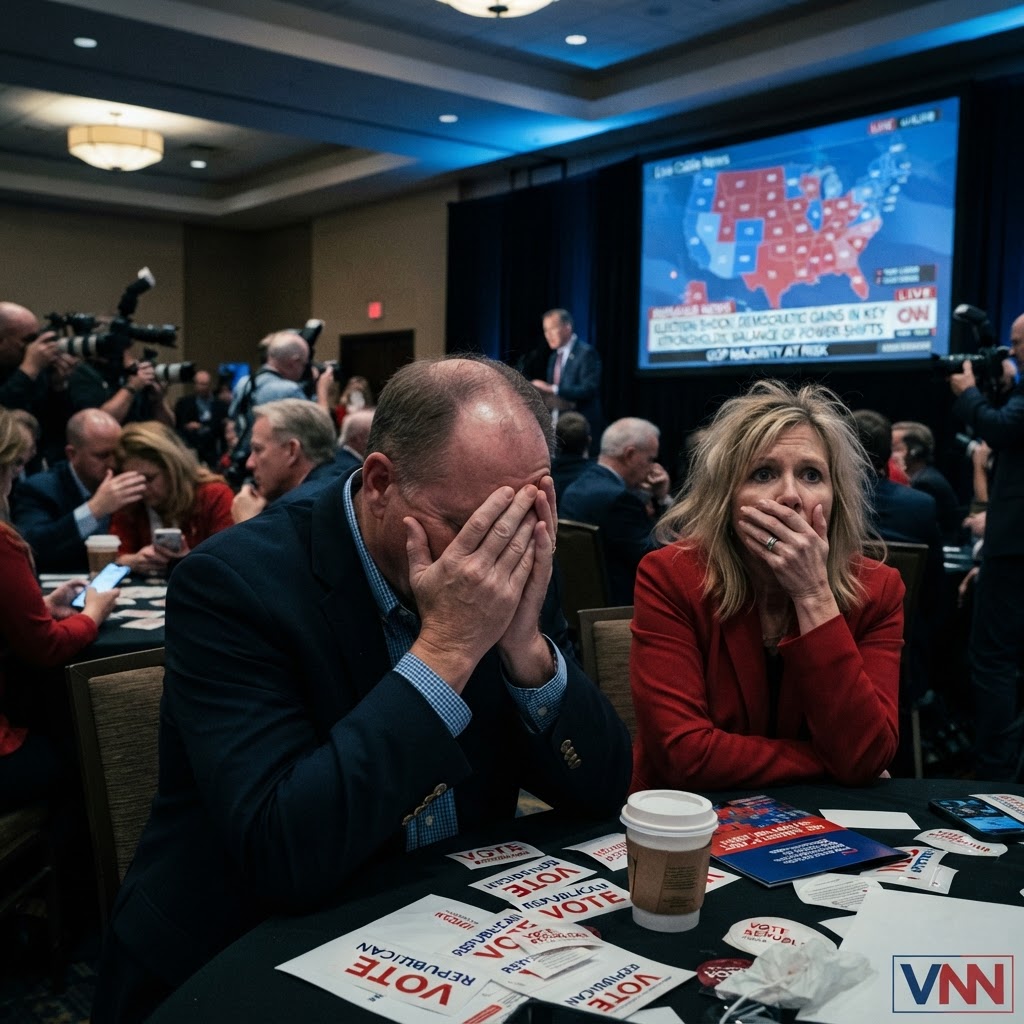
Recent election cycles have ushered in a new era of unchecked legislative power for the Democratic Party across several key battleground states. By securing trifectas in both state houses and the executive branch, Democrats have effectively dismantled the traditional barriers to partisan redistricting. This development is not merely a statistical shift but a calculated political maneuver aimed at cementing a congressional firewall. Critics argue that these efforts are designed to insulate incumbent Democrats from the will of the electorate, effectively silencing conservative voices under the guise of equitable mapping. As state legislatures prepare for the upcoming cycle, the potential for extreme partisan gerrymandering has reached an all-time high, fundamentally altering the landscape of American representative democracy.
The Strategic Impact of Trifectas
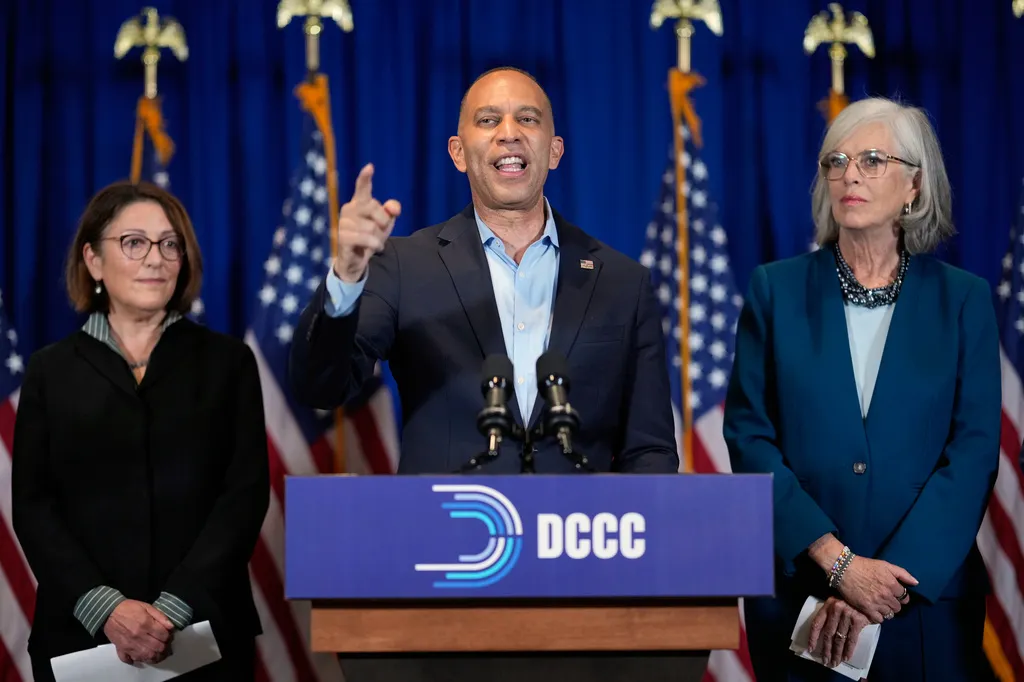
The acquisition of new power trifectas in at least five states provides the Democratic Party with unprecedented influence over the pen that draws electoral boundaries. Historically, both parties have engaged in redistricting efforts, but the current coordination suggests a nationwide strategy aimed at neutralizing Republican gains in the House of Representatives. By carving up districts to favor urban centers and dilute rural influence, Democrat-led committees are positioning themselves to flip competitive seats without needing to win over new voters. This is a clear prioritization of party longevity over the constitutional principles of fair representation and competitive elections. Constitutional scholars are increasingly concerned that this hyper-partisan approach will erode the public's trust in the integrity of the ballot box, turning local districts into little more than rubber stamps for national party directives.
The Future of Representative Democracy
Beyond the immediate impact on seat distribution, this trend signals a broader, more ominous shift in how the American republic functions. When a single party gains the power to dictate exactly who their voters will be, they essentially remove the accountability that defines a healthy democratic system. The broader political significance lies in the erosion of moderate governance, as districts are tailored to satisfy the most radical elements of the party base. Unless voters push back against these legislative overreaches, the nation faces a future of permanent polarization and reduced political competition. The fight over these maps is not just a tactical skirmish; it is a fundamental battle for the future of our legislative integrity and the ability of the average citizen to influence the direction of their government.