A Missed Opportunity for the GOP
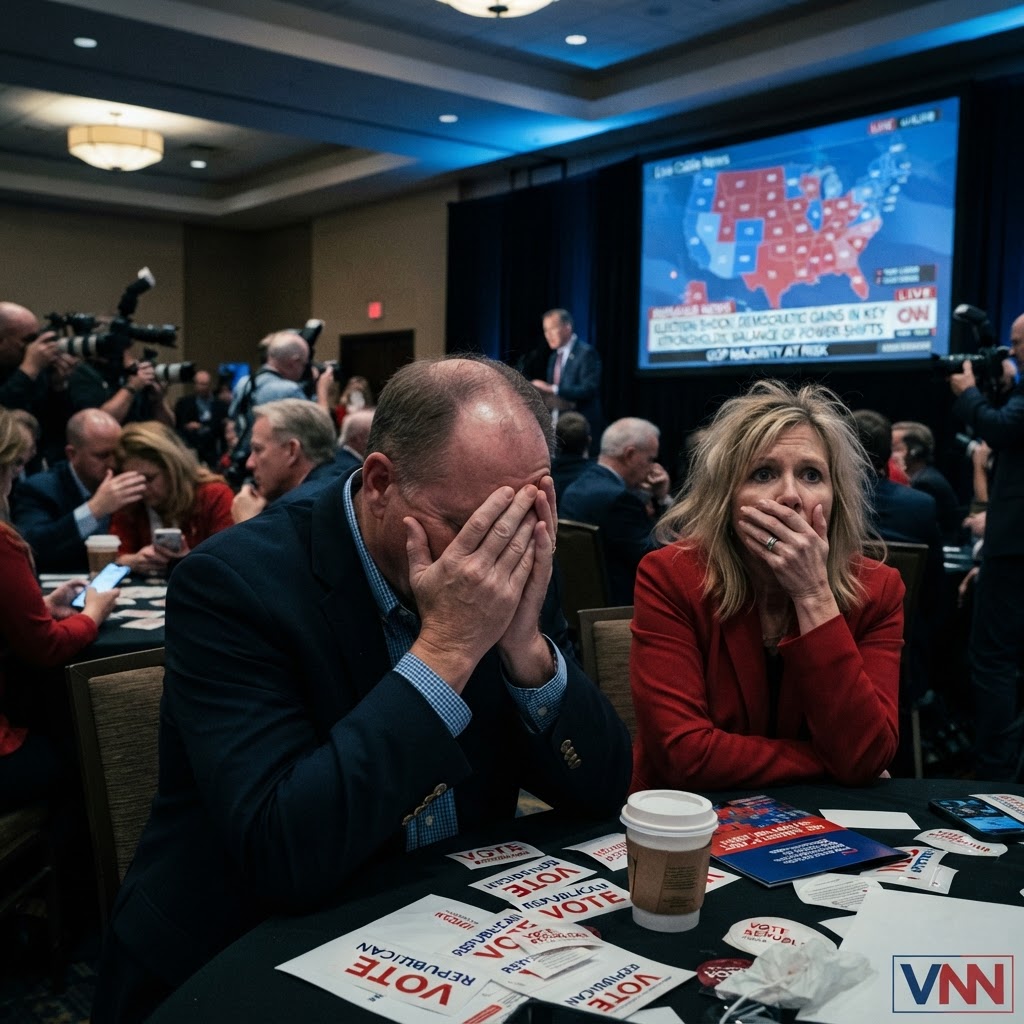
Senator Ted Cruz did not mince words in the wake of recent midterm election results, leveling a sharp critique at Republican leadership for a fundamental disconnect with the American electorate. While the party focused on various messaging tactics, Cruz argued that the GOP leadership failed to grasp that the singular, defining issue for voters was the brutal and unrelenting cost of living. In a lengthy analysis posted to social media, Cruz lamented that the Republican apparatus missed the pulse of the nation, operating as if the average family was not currently drowning under the weight of historic inflation, skyrocketing energy prices, and the erosion of their purchasing power. For the Senator, the electoral underperformance was not a mystery but a direct consequence of failing to provide a clear, aggressive alternative to the economic mismanagement currently emanating from Washington.
The Disconnect Between Leadership and Reality
The Texas firebrand, frequently mentioned as a potential contender for the 2028 presidential cycle, emphasized that the party’s messaging often drifted toward abstract political grievances rather than addressing the tangible financial anxieties of working-class families. Cruz noted that while candidates were busy debating secondary issues, Americans were struggling to fill their gas tanks and keep groceries on the table. This blindness to the primary pain point of the public proved to be an electoral albatross, allowing the incumbent administration to escape the full measure of accountability that a high-inflation environment should have triggered. By failing to hammer the economic reality home with the necessary intensity, the GOP lost its best opportunity to present a stark, winning contrast to the failed status quo. The Senator’s assessment reflects a growing frustration among the base, who demand an establishment that prioritizes the domestic economy above all else.
Future Strategy and Political Reckoning
Looking ahead, Cruz’s critique serves as a stern warning that the Republican Party must pivot toward a results-oriented agenda if it hopes to secure a mandate in future cycles. If the GOP continues to misidentify what keeps the average voter up at night, the party risks becoming perpetually out of touch with the very people it claims to represent. The political significance of this moment cannot be overstated; it represents a crossroads for a movement that must now choose between sticking to a comfortable, status-quo political strategy or adopting a aggressive, populist focus on the economic well-being of the American worker. Unless leadership adopts a disciplined, laser-like focus on affordability and fiscal responsibility, Cruz implies that the party will continue to fall short when the stakes are at their highest. For conservatives, the lesson is clear: victory lies not in the halls of DC insiders, but in the bank accounts of the families they serve.