The Economic Reality Check
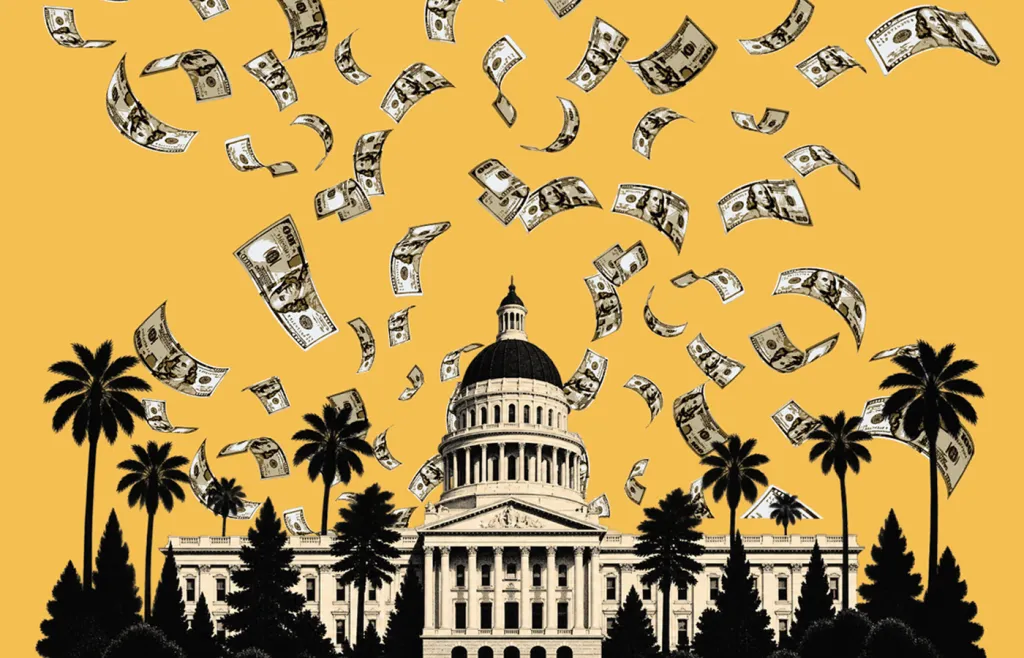
The proposed billionaire wealth tax, currently looming over the California electorate ahead of the midterm elections, is being exposed as a fiscal fantasy that ignores the fundamental realities of modern economics. A sobering new analysis by Stanford University economists Benjamin Jaros and Joshua Rauh suggests that the state’s tax-and-spend obsession is about to hit a brick wall. Rather than securing a windfall of tax revenue to fund the state's ever-growing list of mandates, the policy is mathematically destined to result in long-term revenue loss. When capital is treated as a bottomless piggy bank, those who hold it simply choose to move it, leaving the state’s tax base hollowed out and less capable of funding essential public services in the long run.
The Exodus of Capital
Liberal policymakers in Sacramento have long operated under the delusion that they can tax prosperity out of existence without consequence, but the Stanford study serves as a stark warning against this brand of economic nihilism. By imposing punitive levies on the ultra-wealthy, California is effectively subsidizing its own decline, as high-net-worth individuals have the mobility to relocate to states with more rational fiscal policies. This is not merely a hypothetical scenario; it is a well-documented trend that has seen thousands of businesses and families flee the Golden State for more competitive tax environments like Texas and Florida. By doubling down on this aggressive tax strategy, the state government is choosing to prioritize optics over the long-term economic viability of its own tax base.
A Broader Trend of Fiscal Mismanagement
This legislative overreach is symptomatic of a larger political dysfunction where ideology consistently triumphs over evidence-based policy. The proposed tax serves as a potent reminder of why so many taxpayers have lost faith in the state’s ability to manage its finances effectively. By chasing short-term revenue spikes at the expense of long-term economic stability, the political class in California is signaling a total disregard for the principles of sound fiscal stewardship. As voters head to the polls, they must decide whether to continue down this road of radical economic experimentation or demand a shift toward policies that encourage growth, incentivize investment, and actually keep businesses and talent rooted within the state.