## An Urgent Call to Action
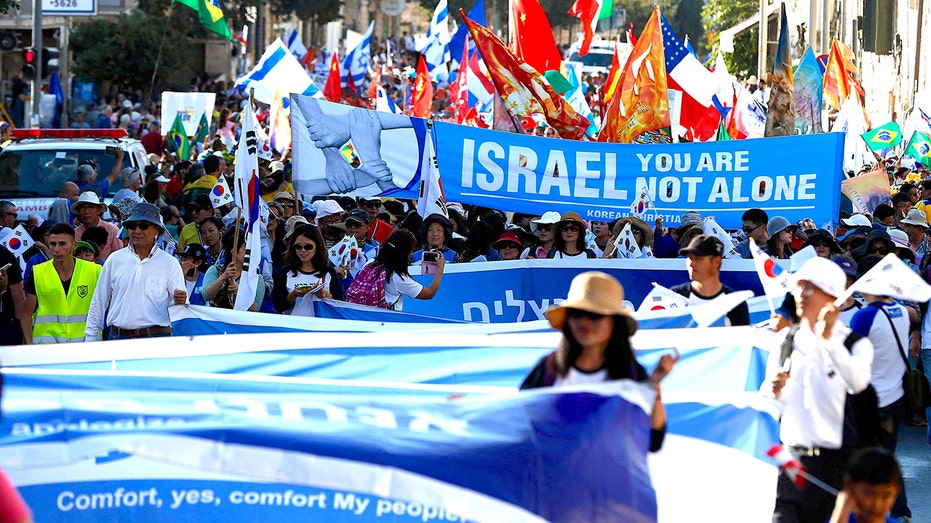
The International Christian Embassy Jerusalem (ICEJ) has taken decisive action to confront a growing global menace—antisemitism. In light of recent alarming trends, prominent Christian leaders from diverse denominations gathered in Jerusalem to discuss not only the rise of antisemitism but also the historical undercurrents of Replacement Theology that have fueled these sentiments. This summit is a reaction to a disconcerting silence permeating many church institutions regarding their responsibility towards the Jewish community. ICEJ Executive Director Dr. Jürgen Bühler articulated this urgency: “It is time for the Christian community to take a firm stand against the tide of hatred that threatens the Jewish people and ultimately undermines our shared faith.”
## The Historical Context of Antisemitism
The roots of antisemitism stretch deep into history, often intertwined with theological misinterpretations. Replacement Theology, a doctrine suggesting that the Christian Church has replaced Israel in God’s plan, continues to sow seeds of division and misunderstanding. The summit highlighted that such teaching has contributed significantly to widespread antipathy towards Jews, prompting many Christians to reevaluate their theological standings and alliances. This crisis has left the church at a crossroads—an opportunity to confront historical errors and advocate for solidarity with Jewish communities globally. As Pastor John Hagee emphasized, “Ignoring this truth plays into the hands of those who wish to rewrite our shared history and erode the foundations of faith.”
## Empowering Unity Among Faith Leaders
Faith leaders, academics, and Jewish representatives joined hands at this summit, acknowledging the necessity of not only dialogue but also actionable strategies to combat antisemitism. The ICEJ plans to develop educational programs aimed at dispelling misconceptions surrounding Jewish history and faith, fostering a renewed sense of unity and cooperation. This initiative comes at a crucial time when antisemitic incidents have spiked across the globe, revealing a pressing need for Christians to boldly advocate against hate. The summit concluded with a call for ongoing discussions within church communities to promote awareness and understanding, hoping to transform theological frameworks for future generations.
In a world increasingly polarized by identity politics, the Jerusalem summit stands as a testament to the power of unity among faith leaders. As the conversation surrounding antisemitism and Replacement Theology grows louder, it is imperative that Christians rise to the occasion, embracing their role as advocates for truth and accountability in a community that has historically harbored contentious teachings. The implications of this summit extend beyond theological boundaries; they resonate in a society desperately in need of reconciliation and solidarity.