Growing Tensions Within the GOP Ranks
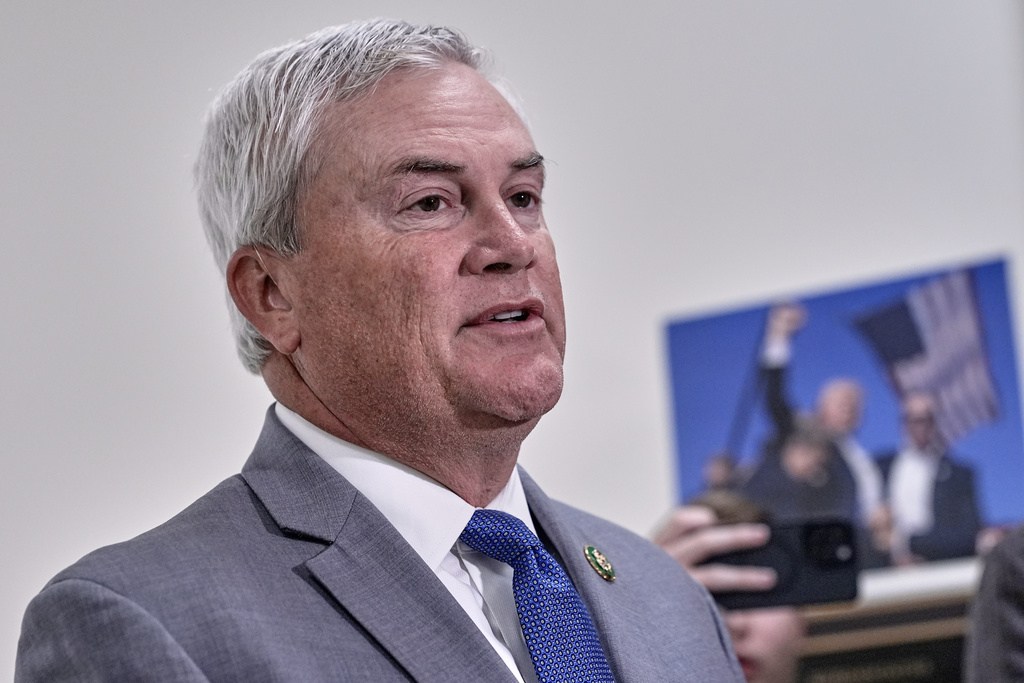
House Oversight Chairman James Comer (R-KY) has officially declined to offer his support to Secretary of War Pete Hegseth, setting the stage for a tumultuous week on Capitol Hill. As the House prepares for a pivotal vote on impeachment articles introduced by Rep. Thomas Massie (R-KY), the lack of unified support from party leadership suggests that the rank-and-file are increasingly weary of the current administration’s trajectory. Comer’s admission that “there are a lot of questions” regarding Hegseth’s performance reflects a broader internal battle over transparency, accountability, and the competence of those currently occupying high-ranking cabinet positions. For voters, this hesitation is seen as a sign that the Republican-controlled House is finally beginning to shed its reputation for passive oversight in favor of demanding real answers for the American public.
The Massie-Led Impeachment Push
Representative Thomas Massie has spearheaded the effort to bring articles of impeachment against Hegseth, citing a failure of duty that has rippled throughout the defense apparatus. With midterm elections rapidly approaching, the timing of this push is no coincidence; it serves as a litmus test for Republican incumbents who are struggling to reconcile executive appointments with the conservative base’s demand for disciplined governance. Frustrations are not limited solely to the policy blunders emanating from the Pentagon, but also extend to a perceived detachment from the economic realities plaguing ordinary families. The brewing confrontation between congressional firebrands like Massie and the establishment-aligned leadership highlights a critical ideological divide within the party, where the demand for a leaner, more accountable government is clashing with the slow-moving mechanisms of bureaucratic inertia.
A Defining Moment for Congressional Oversight
The impending vote carries profound implications for the future of conservative governance and the integrity of national security institutions. If the House decides to move forward with impeachment, it would represent a historic rebuke of the executive branch's current staffing philosophy and a powerful signal that congressional oversight is not merely a formality but an essential check on power. Beyond the immediate legislative fallout, this standoff underscores the growing impatience among the conservative electorate who see these internal struggles as necessary hurdles to clear before the nation can return to a state of fiscal and operational stability. The coming days will ultimately demonstrate whether the Republican leadership possesses the political fortitude to hold its own appointments accountable or if they will continue to drift while the core foundations of the American government remain under intense scrutiny.