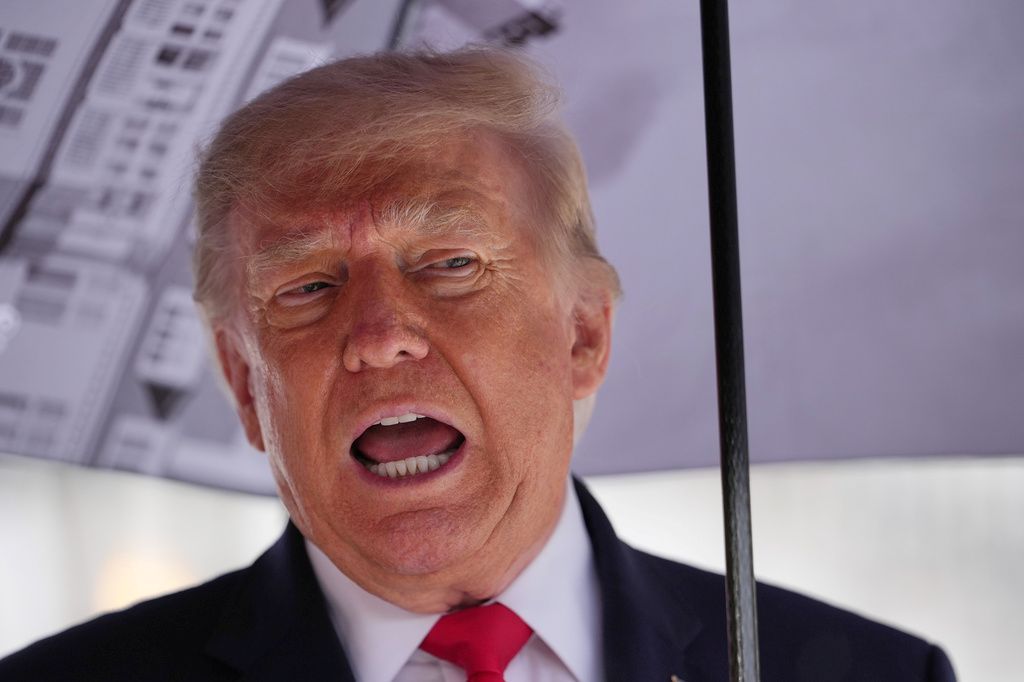
A Demand for Legislative Urgency President Donald Trump issued a stern ultimatum to the Senate on Friday evening, signaling his extreme frustration with the upper chamber’s sluggish pace as the country faces critical challenges. Speaking to members of the press in Florida, the former President did not mince words, characterizing the current legislative gridlock as an existential threat to the American project. With a decisive midterm mandate in hand, Trump argued that the time for partisan bickering has passed and that the Senate must pivot immediately to passing key policy objectives when they return to Washington next week. His comments reflect a growing sentiment among the base that the legislative branch must finally shed its reputation for bureaucratic inertia and start producing tangible results for the American people who demanded change at the ballot box. ## The Cost of Gridlock The President’s frustration is rooted in the perception that the Senate has become a graveyard for conservative priorities that are desperately needed to address the nation’s economic and border crises. Trump explicitly stated that the body is simply failing to pass necessary legislation, which he warned is actively harming the nation's stability and future trajectory. While the executive branch is ready to implement a sweeping agenda, the Senate’s failure to clear the decks represents a significant bottleneck that threatens to undermine the promises made during the election cycle. Observers note that this public pressure campaign is designed to focus the minds of GOP leadership on the necessity of moving quickly before the current congressional session expires. It is clear that the President expects nothing less than total mobilization to secure victories on issues like deregulation, government spending reform, and border security. ## A Pivotal Moment for the Republic The broader significance of Trump’s comments lies in the tension between his vision for swift governance and the traditional, often glacial, pace of the United States Senate. By putting the chamber on notice, the President is effectively telling lawmakers that they must align with his agenda or risk being viewed as part of the establishment impediment that he was elected to dismantle. This confrontation underscores a fundamental divide between those who prefer the status quo of deliberation and those who prioritize rapid, decisive action to rectify what they perceive as years of failed federal policy. As the lame-duck session looms, the focus now shifts to whether the Senate will heed this warning or continue to prioritize procedure over the urgent needs of a public hungry for meaningful institutional reform and national restoration.