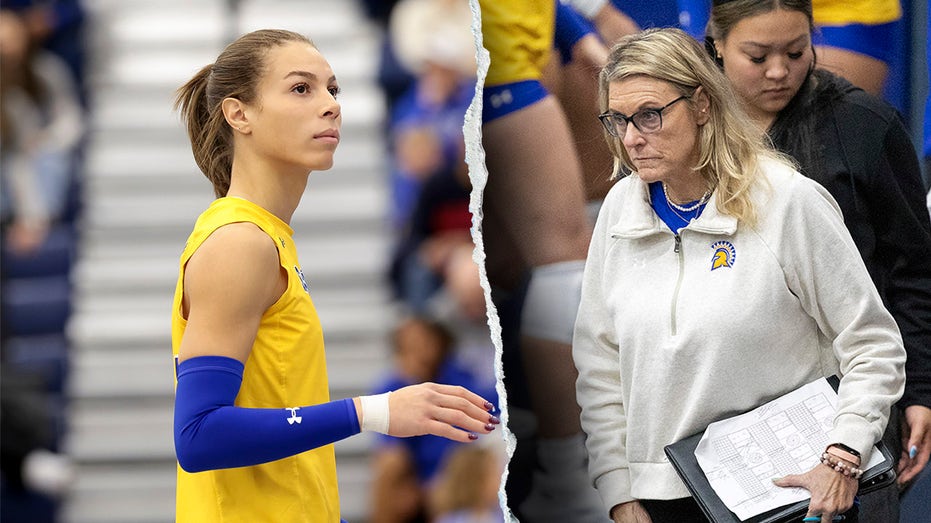
A Breach of Trust and Fairness
In a stunning development that underscores the growing friction within collegiate athletics, Melissa Batie-Smoose, the former coach of San Jose State University’s volleyball team, has alleged that the school actively suppressed information regarding a transgender athlete. According to Batie-Smoose, she was informed by an SJSU official that Blaire Fleming had failed a testosterone test prior to the 2023 season’s opening conference match. Instead of adhering to transparency or upholding competitive equity standards, Batie-Smoose contends that the university chose to keep the test results secret from both the team and the broader public. This alleged cover-up strikes at the very heart of the trust that must exist between university leadership and their athletic programs, casting a long shadow over the university’s commitment to internal integrity.
The Fallout of Administrative Negligence
This incident is not occurring in a vacuum but rather at the center of a national firestorm regarding the inclusion of biological males in women’s sports. Critics have long argued that institutional policies favoring inclusivity over physiological reality are compromising the safety and opportunity of female competitors. By allegedly shielding a player from the consequences of failing a performance-related medical threshold, university officials may have prioritized political narratives over the standard of care owed to the entire roster. Coaches, teammates, and parents are now demanding full accountability, as the incident fuels broader concerns that female athletes are being treated as second-class citizens in their own locker rooms and on their own courts.
The Broader Struggle for Athletic Integrity
The implications of this controversy extend well beyond the borders of the San Jose State campus. It serves as a stark reminder of the escalating battle between ideological mandates and the preservation of women's sports as a protected category. As more voices emerge from within the collegiate athletic establishment to challenge the status quo, the pressure on administrators to provide transparency regarding biological standards becomes undeniable. Ultimately, this saga is a litmus test for the future of collegiate sports; if universities continue to prioritize radical social agendas over fair competition and health-related protocols, they risk eroding the foundational principles of fairness that have defined athletics for generations. VNN will continue to track this story as investigators and stakeholders demand the truth regarding who knew what and when it was hidden.